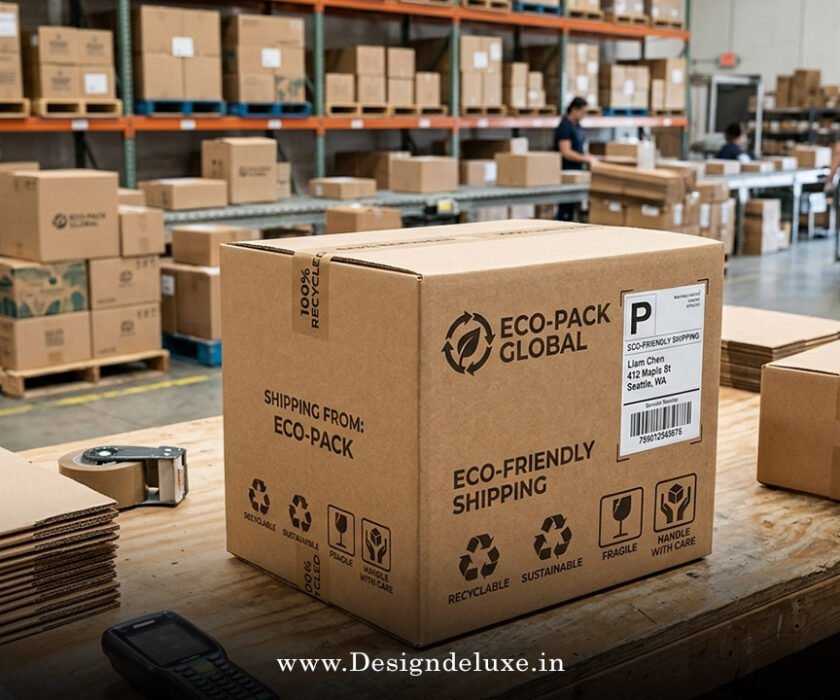
Eco-Friendly / SustainableBrand Packaging
Sustainable Packaging Trends 2026 hit harder than most brands expect. Regulations tighten. Shoppers vote with their wallets for real change, not greenwashed promises. And smart players blend performance with planet-friendly design to stand out.
This isn’t about slapping “eco” on a box anymore. It’s fiber-first approaches, verifiable claims, mono-materials, and innovations like mycelium and smart labels that actually deliver.
- Fiber-based dominance: Molded pulp, paper, and corrugated solutions replace plastics in more categories.
- Substantiated sustainability: Brands must back claims with data to dodge regulations and skepticism.
- Circular systems: Refill, reuse, and recyclable-by-design become table stakes.
- Material innovation: Bio-based, seaweed, mushroom packaging scale up for real-world use.
- Tech integration: QR codes, sensors, and digital passports improve traceability and recovery.
Sustainable Packaging Trends 2026 reward brands that get practical fast. Here’s the playbook.
Key Drivers Shaping Sustainable Packaging Trends 2026
Regulations lead the charge. Extended Producer Responsibility (EPR) laws expand, fees rise for non-compliant packaging. The EU’s PPWR and state-level rules in the US push for measurable progress.
Consumers stay engaged but demand proof. They pay premiums for honest options yet call out fluff. Brands that simplify recycling win loyalty.
Supply chain realities bite too. Labor shortages, freight volatility, and material costs force efficiency. Lightweighting and right-sized designs cut waste and expenses simultaneously.
In my experience, the winners treat sustainability as a design starting point, not an afterthought. What usually happens? Late compliance costs triple the proactive route.
Top Sustainable Packaging Trends 2026
Fiber-First and Paperization
Paper and molded fiber take center stage. Advanced coatings make them viable for food, beauty, and e-commerce. Lightweight yet protective structures reduce carbon footprints without sacrificing strength.
Mono-Material Designs
Mixing materials kills recyclability. Brands shift to single-polymer or all-fiber formats. This simplifies sorting and boosts recovery rates in real municipal systems.
Bio-Based and Alternative Materials
Mycelium packaging grown from mushrooms, seaweed films, PLA from corn starch, and algae-derived options move mainstream. They deliver plastic-like performance with far better end-of-life stories.
Refill and Reuse Systems
Refill stations, durable returnables, and concentrated formats explode. Premium brands embrace aluminum comebacks and prestige refill packaging for longevity.
Smart and Connected Packaging
QR codes link to impact data. Sensors track freshness. Digital product passports help with compliance and consumer education.
Substantiated Claims and Transparency
Vague language fades. Third-party certifications, lifecycle assessments, and clear How2Recycle labels build trust.
Lightweighting and Right-Sizing
Less material, smarter structures. This trend cuts costs and emissions while maintaining protection.
Comparison Table: Traditional vs. 2026 Sustainable Packaging
| Aspect | Traditional Approach | 2026 Sustainable Trends | Business Impact |
|---|---|---|---|
| Primary Materials | Multi-layer plastics | Fiber-based, mono-materials, bio-alternatives | Easier recycling, lower fees |
| Design Focus | Protection & cost | Circularity + performance + storytelling | Higher shelf appeal, better reviews |
| End-of-Life | Landfill/incineration | Recyclable, compostable, refillable | Regulatory compliance, brand loyalty |
| Tech Integration | Basic labels | QR, sensors, digital passports | Traceability, data-driven improvements |
| Cost Structure | Upfront low, hidden long-term | Higher initial, strong ROI via premiums & savings | Faster payback for committed brands |
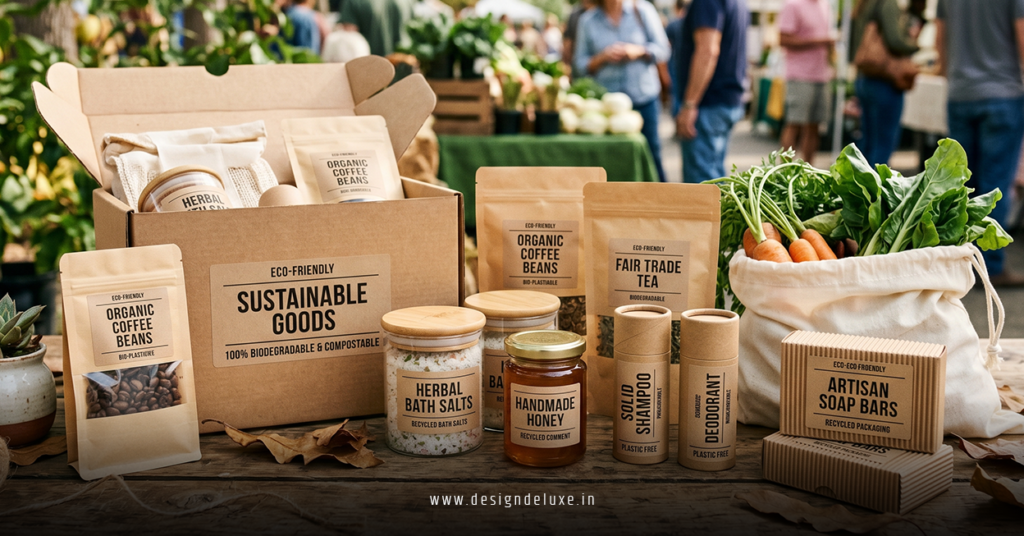
Step-by-Step Action Plan for Brands
- Audit Current Packaging: Map every SKU against upcoming regulations and recovery realities. Identify quick wins in lightweighting.
- Set Clear Goals: Define metrics using frameworks from the Sustainable Packaging Coalition. Focus on verifiable targets.
- Explore Materials: Partner with suppliers for fiber, mycelium, or mono-material trials. Test for your specific product needs.
- Redesign for Circularity: Prioritize mono-materials and clear disposal instructions. Incorporate storytelling that connects with your audience.
- Integrate Digital Elements: Add QR codes linking to sustainability stories or impact trackers.
- Measure and Iterate: Track recovery rates, customer feedback, and sales lift. Adjust quarterly.
What I’d do if advising a mid-sized brand? Start with hero products. Allocate 15-20% of packaging budget to innovation pilots. The data pays for itself.
Common Mistakes & How to Fix Them
Chasing trends without testing. Pretty mycelium that fails durability tests wastes money. Fix: Rigorous real-world prototyping early.
Greenwashing risks. Overpromising recyclability invites fines. Fix: Use substantiated data and clear labels only.
Ignoring infrastructure realities. Designing for ideal recycling streams that don’t exist locally. Fix: Check How2Recycle guidelines and municipal capabilities.
Disconnecting packaging from brand story. Generic green boxes feel soulless. Fix: Tie visuals to your identity—think blending with retro futurism branding package sustainable packaging web design for standout appeal that feels optimistic and responsible.
Underestimating costs. Focusing only on material price. Fix: Calculate full lifecycle including fees, returns, and marketing value.
Sustainable Packaging Trends 2026 in Practice
Leaders like those highlighted by the Sustainable Packaging Coalition show the path. Explore real-world fiber innovations through EcoEnclose resources. For broader context on design and consumer behavior, check insights from Innova Market Insights via Packaging Insights.
These moves turn compliance into competitive advantage.
Key Takeaways
- Fiber-based and mono-material solutions dominate Sustainable Packaging Trends 2026.
- Substantiated claims beat vague marketing every time.
- Circularity requires design thinking from day one.
- Smart tech enhances transparency and functionality.
- Early adopters gain pricing power and loyalty.
- Regulations reward preparation, punish delay.
- Integration with strong branding—like retro-futurist aesthetics—amplifies impact.
- Test, measure, refine. Iteration wins.
Sustainable Packaging Trends 2026 separate forward-thinking brands from the pack. Get practical, stay authentic, and build systems that perform today while protecting tomorrow.
Ready to move? Audit one product line this week against the trends above. Then explore suppliers or designers who understand both materials and cohesive storytelling.
FAQs
What are the biggest sustainable packaging trends 2026 brands should prioritize?
Fiber-first designs, mono-materials for recyclability, bio-based alternatives like mycelium, and smart labels for traceability top the list for most categories.
How do regulations influence sustainable packaging trends 2026?
EPR laws and PPWR-style rules increase fees for hard-to-recycle formats while rewarding verifiable circular designs. Compliance becomes a baseline.
Can smaller brands implement sustainable packaging trends 2026 effectively?
Yes. Start with targeted pilots on key products, leverage low-MOQ suppliers for fiber and compostable options, and tie into existing brand narratives for maximum return.