Brand PackagingEco-Friendly / SustainableLogo DesignSocial Media Advertising
Sustainable brand packaging design with eco friendly logo and social media ads delivers a complete system that turns every unboxing into a brand statement while cutting waste. Brands that nail this combo stand out in crowded shelves and feeds. They build loyalty fast because buyers see values in action, not just words.
- What it is: Packaging made from recycled or renewable materials paired with a clean, nature-inspired logo and ads that showcase the real impact across Instagram, TikTok, and Facebook.
- Why it matters: US consumers vote with wallets. 90% say they’re more likely to buy from brands using sustainable packaging.
- The payoff: Higher engagement, better margins over time, and protection against tightening rules like state EPR laws.
- Real edge: Your box, bag, or bottle becomes shareable content that sells itself.
Here’s the thing. In 2026, this isn’t a nice-to-have. It’s table stakes for any brand wanting shelf life beyond next quarter.
Why Sustainable Brand Packaging Design with Eco Friendly Logo Matters Now
Shoppers in the USA grew up seeing plastic islands in oceans. They check labels. They scan QR codes. They share stories.
The market tells the story clearly. The U.S. sustainable packaging sector sits at about $53.35 billion in 2026 and keeps climbing at a steady 4.15% CAGR through 2035.
Brands that integrate an eco friendly logo into packaging create instant recognition. Think simple leaf motifs, earth tones, or negative space that whispers “we thought about this.” No screaming trees or forced greenwashing.
Social media ads amplify everything. A quick video of the packaging breaking down in a home compost bin beats any polished ad spend.
The kicker is trust. One mismatched plastic liner can kill years of goodwill. Get it right and your packaging works harder than your sales team.
Core Elements That Make It Work
Materials That Actually Deliver
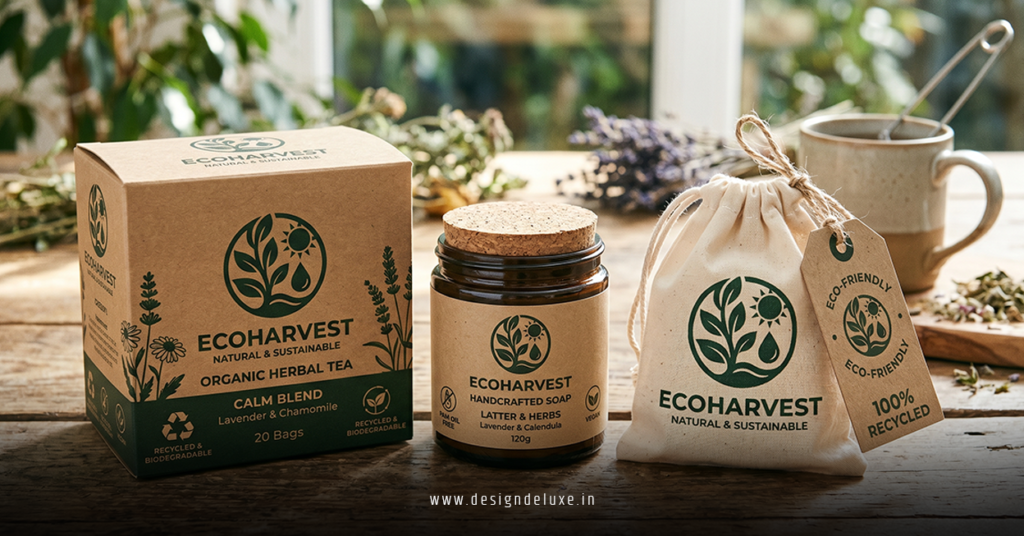
Start with what touches the product. Recycled paperboard, mushroom mycelium, or plant-based films lead the pack. Avoid multi-layer mixes that recycling plants reject.
Smart packaging adds value without bulk. QR codes link to disposal instructions, impact reports, or your origin story. This turns passive unboxing into active education.
Eco Friendly Logo Design Basics
Keep it simple. Minimal lines. Low ink coverage. Earth palettes—terracotta, moss, warm grays—that print clean and scan well on phone cameras.
Your logo must flex across sizes. Tiny on a sticker. Bold on a shipping mailer. Consistent on every ad creative.
One strong analogy: Your logo should feel like an old oak tree. Rooted, steady, growing naturally without flashy new leaves every season.
What happens when your logo screams “eco” but your packaging fails basic recyclability tests? Shoppers notice. Fast.
Social Media Ads That Convert
Ads succeed when they show the full journey. Before: generic plastic mess. After: clean, branded sustainable unboxing. User testimonials. Behind-the-scenes supplier visits.
Platforms reward authenticity. Short, punchy Reels of the packaging in real life outperform CGI perfection.
Step-by-Step Action Plan for Beginners
Ready to build this? Follow this exact sequence. No fluff.
- Audit your current setup
List every touchpoint. Primary box. Inner wraps. Labels. Shipping materials. Score each against recyclability and carbon impact. - Define your sustainable story
Pick one hero material. Research suppliers who provide verifiable chain-of-custody data. Decide your logo direction—minimal, illustrative, or abstract. - Design the eco friendly logo
Work with a designer who understands print constraints. Test on different backgrounds and materials. Ensure it works in black and white for flexibility. - Prototype packaging
Order small runs. Test durability, customer experience, and end-of-life options. Include clear disposal icons. - Create social content engine
Shoot unboxing videos, time-lapse decomposition (where appropriate), customer stories. Build a content calendar around launches and seasons. - Launch and measure
Run targeted ads to eco-conscious audiences in key US states. Track engagement, conversion, and return rates.
What would I do if starting fresh today? I’d pick one hero product line first. Nail the packaging and logo there before rolling out company-wide. Less risk. Faster learning.
Comparison Table: Traditional vs. Sustainable Approaches
| Aspect | Traditional Packaging | Sustainable Brand Packaging Design with Eco Friendly Logo | Expected Impact (2026) |
|---|---|---|---|
| Material Cost | Lower upfront | 10-30% higher initially | Breaks even in 12-18 months via loyalty |
| Consumer Appeal | Neutral | 90% more likely to purchase | Higher basket size |
| Social Shareability | Low | High (visual storytelling) | Organic reach multiplier |
| Regulatory Risk | Growing (EPR fees) | Lower compliance costs | Avoids future fines |
| Logo Integration | Generic | Purpose-driven, memorable | Stronger brand recall |
| Ad Performance | Standard CTR | Higher engagement on authenticity | Better ROAS |
Common Mistakes & How to Fix Them
Mistake 1: Greenwashing the visuals.
Pretty eco logo on virgin plastic packaging. Shoppers smell it. Fix: Match every claim with third-party verification. Be transparent about trade-offs.
Mistake 2: Overcomplicating the design.
Too many icons. Busy patterns. Fix: Less is more. One strong visual metaphor beats five weak ones.
Mistake 3: Ignoring mobile-first reality.
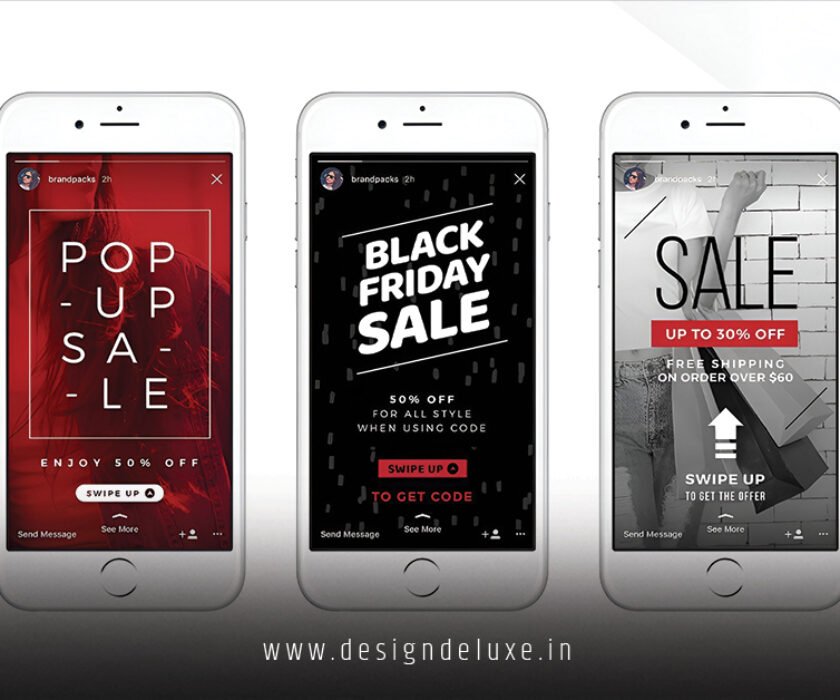
Packaging that looks great in person but muddy in Stories. Fix: Design for the camera. High contrast. Bold shapes.
Mistake 4: Forgetting the full journey.
Great box. Terrible shipping mailer. Fix: Audit the entire experience from factory to doorstep.
Mistake 5: Static social strategy.
One post and done. Fix: Build a series. User-generated content campaigns. Seasonal refreshes.
Advanced Tactics for Intermediate Brands
Scale smart. Use variable data printing for personalized messages on packaging. “This bag kept 12 plastic bottles out of the ocean” based on batch tracking.
Integrate ads with packaging. Include unique discount codes or AR filters tied to the eco friendly logo. Users scan, share, and earn rewards.
Explore reusable systems. Brands offering returns for high-end packaging see strong repeat rates.
Link to authority resources for deeper dives:
- Sustainable Packaging Coalition guidelines on design for recyclability.
- EPA resources on packaging waste reduction.
- FTC Green Guides for honest marketing claims.
Key Takeaways
- Sustainable brand packaging design with eco friendly logo and social media ads creates a flywheel of trust, shares, and sales.
- Start simple. Match materials, logo, and messaging perfectly.
- Consumers reward authenticity—90% say it influences buying decisions.
- Budget for higher upfront costs but expect loyalty and regulatory advantages.
- Test relentlessly. What works in California might need tweaks in Texas.
- Your packaging is now media. Treat it that way.
- Consistency across physical and digital builds stronger brands than perfection in one area.
- Measure beyond vanity metrics. Track repeat purchase and referral rates.
Sustainable brand packaging design with eco friendly logo and social media ads isn’t just about looking green. It delivers real competitive advantage in a market where buyers demand proof.
Take the first step today. Audit one product line. Sketch that logo. Shoot your first unboxing video. The brands winning in 2026 aren’t waiting for perfect conditions. They’re building better experiences right now.
FAQs
How much does sustainable brand packaging design with eco friendly logo typically cost for a small business?
Expect 15-40% higher material costs initially compared to standard options. Factor in design fees ($2k-$8k for logo and packaging suite) and smaller test runs. Many brands see payback through premium pricing and repeat customers within the first year.
What makes an eco friendly logo effective in social media ads?
Simplicity wins. Clean lines, limited color palette, and scalable design perform best across platforms. The logo should tell your sustainability story at a glance while looking sharp in both static posts and video.
Can sustainable packaging design with eco friendly logo work for non-consumer product brands?
Absolutely. B2B brands in electronics, cosmetics, or even industrial supplies use it to differentiate in RFPs and build stronger relationships with eco-conscious partners. The principles scale across industries.