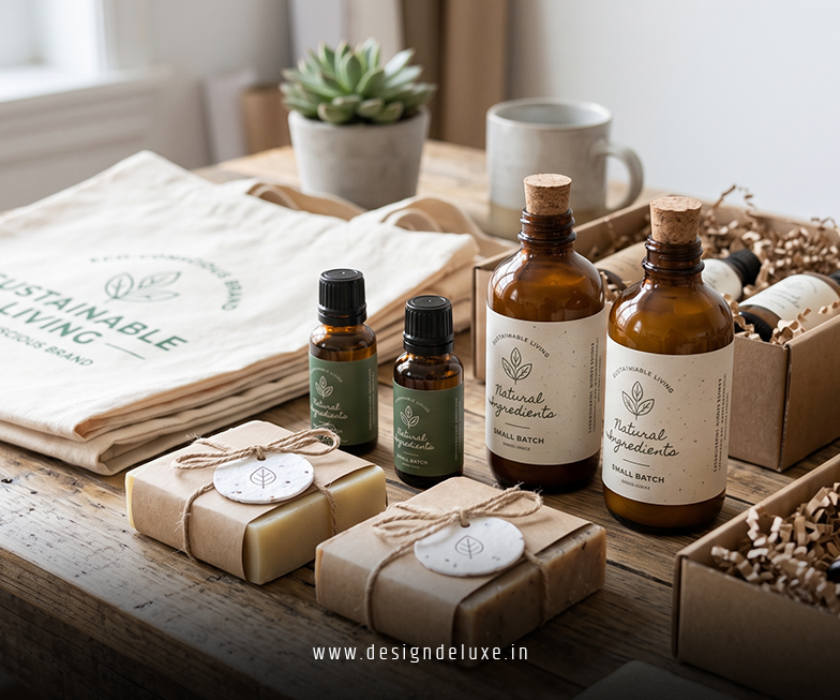
Eco-Friendly / Sustainable
Eco-friendly product photography tips help brands capture stunning visuals while staying true to their sustainability values. In 2026, shoppers scroll past generic shots. They stop for images that feel honest, natural, and aligned with the planet.
These techniques cut waste, lower energy use, and boost engagement for sustainable brands.
- Core idea: Use natural light, recycled props, and efficient gear to create visuals that match your green claims.
- Why it works: High-quality photos increase purchase intent. Visual content drives massive engagement on social platforms.
- Big payoff: Stronger brand trust, better ad performance, and alignment with US consumers who reward authentic eco-efforts.
- Quick start: Focus on simplicity. Less gear often means better results and lower impact.
Here’s the thing. Your product photos aren’t just sales tools. They’re proof points. When paired with sustainable brand packaging design with eco friendly logo and social media ads, they create a seamless story that converts browsers into buyers.
Why Eco-Friendly Product Photography Matters in 2026
US consumers expect brands to walk the talk. Harsh studio lights and disposable backdrops clash with eco-messaging.
Sustainable photography practices reduce your carbon footprint while delivering better aesthetics. Natural light brings out real textures. Recycled surfaces add depth without synthetic shine.
The numbers back it up. Sustainable products grow faster, and compelling visuals accelerate that. Brands using authentic imagery see higher engagement and loyalty.
The kicker? Inconsistent visuals kill credibility. One plastic-heavy shoot can undermine months of packaging and ad work.
Core Principles for Greener Shoots
Lighting That Saves Energy and Looks Natural
Ditch energy-hungry strobes when possible. LED continuous lights run cooler and use far less power. Better yet, schedule shoots during daylight hours and harness window light.
Natural light creates soft shadows and true-to-life colors. It highlights the organic feel of sustainable products perfectly. Position products near large north-facing windows for even illumination without glare.
What happens when you rely solely on artificial setups? Higher bills and a bigger environmental hit. Natural light wins on both counts.
Backgrounds and Props That Align With Your Values
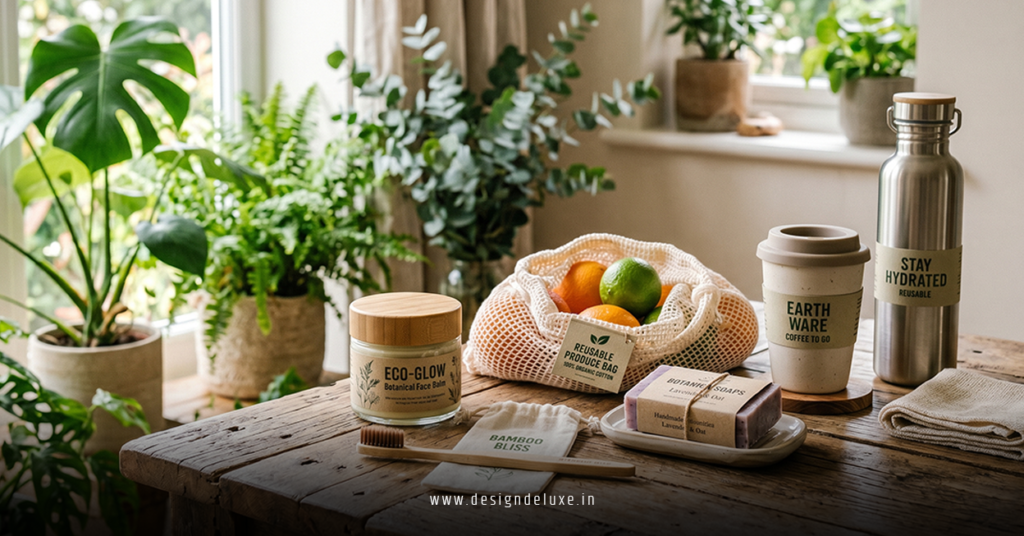
Skip virgin vinyl backdrops. Source reclaimed wood, recycled paper, or organic fabrics instead. Stone slabs, dried botanicals, and upcycled crates add character while reinforcing your story.
Keep setups minimal. One hero product against a textured neutral surface often outperforms cluttered scenes. This approach photographs beautifully for social media ads too.
Gear and Workflow Choices
Invest in durable, repairable equipment. Choose cameras and lenses built to last rather than cheap models that end up in landfills. Use digital planning tools to minimize test prints.
Batch similar shots to reduce setup time. Edit efficiently to avoid excessive computer runtime. Cloud storage with green data centers helps too.
One fresh analogy: Think of your photo setup like a well-tended garden. Every element serves a purpose. Nothing wasteful. Everything works together harmoniously.
Step-by-Step Action Plan for Beginners
- Audit your current setup
List lights, backdrops, and props. Identify high-waste items and replace them gradually. - Plan around natural light
Check golden hours for your location. Use sheer curtains as diffusers if needed. - Build a sustainable prop kit
Collect neutral, reusable items from thrift stores or suppliers using recycled materials. - Shoot smart
Take fewer, intentional frames. Review on camera instead of rapid-fire bursts. - Edit with purpose
Use software efficiently. Export optimized files for web to reduce storage demands. - Integrate with your brand ecosystem
Ensure photos complement your sustainable brand packaging design with eco friendly logo and social media ads. Consistent visuals create trust.
What would I do if starting today? I’d begin with one flagship product. Nail the lighting and styling there before scaling up.
Comparison Table: Traditional vs. Eco-Friendly Approaches
| Aspect | Traditional Photography | Eco-Friendly Product Photography Tips | 2026 Impact |
|---|---|---|---|
| Lighting | High-power strobes | Natural light + efficient LEDs | Lower energy use, softer look |
| Backgrounds | Disposable vinyl | Reclaimed wood, recycled fabrics | Authentic texture, less waste |
| Prop Sourcing | New plastic/foam items | Thrifted, organic, upcycled | Stronger brand story |
| Shot Volume | High volume bursts | Intentional, fewer frames | Reduced digital footprint |
| Post-Production | Heavy editing | Light retouching, honest representation | Higher trust |
| Cost Over Time | Ongoing replacements | Durable gear, reusable elements | Better long-term ROI |
Common Mistakes & How to Fix Them
Mistake 1: Over-relying on artificial lights.
It creates unnatural colors and spikes energy use. Fix: Schedule around daylight. Supplement only when necessary with low-wattage LEDs.
Mistake 2: Using unsustainable props.
Shiny new plastics clash with eco claims. Fix: Build a kit of natural, reusable items. Source locally to cut shipping impact.
Mistake 3: Cluttered compositions.
Too many elements distract from the product. Fix: Embrace negative space. Let the product breathe.
Mistake 4: Ignoring mobile optimization.
Beautiful shots that load slowly kill conversions. Fix: Compress files properly. Test on actual phones.
Mistake 5: Inconsistent branding.
Photos that don’t match packaging visuals. Fix: Reference your full brand assets during every shoot.
Advanced Tips for Intermediate Creators
Layer textures thoughtfully. Combine matte recycled paper with subtle natural shadows for depth. Experiment with lifestyle angles that show products in use with sustainable elements.
Create 360-degree views using turntables made from recycled materials. These perform exceptionally well in social media ads and e-commerce.
Track your impact. Measure energy saved and waste reduced. Share these metrics transparently. It builds deeper customer connection.
For more on tying visuals to full brand execution, check this guide on sustainable brand packaging design with eco friendly logo and social media ads.
Key Takeaways
- Natural light delivers beautiful, low-impact results for most product shots.
- Reusable and recycled props strengthen your sustainability narrative.
- Fewer, intentional images reduce both environmental and storage footprints.
- Consistency across photography, packaging, and ads builds trust fast.
- Authenticity beats perfection. Honest images convert better in 2026.
- Start small. Improve one element per shoot.
- Measure results beyond likes. Track how visuals affect sales and returns.
- Sustainable photography isn’t a trend. It’s the new standard.
Eco-friendly product photography tips give your brand visuals that match your values. They make your sustainable brand packaging design with eco friendly logo and social media ads work even harder.
Grab your camera. Scout natural light locations. Start shooting with intention today. The brands winning right now combine beautiful imagery with real responsibility.
FAQs
What is the best lighting for eco-friendly product photography?
Natural window light paired with energy-efficient LED panels works best. It saves power while creating soft, realistic illumination that highlights product details honestly.
How do I choose backgrounds for sustainable product photos?
Opt for recycled paper, reclaimed wood, or organic fabrics. These materials add texture and align with eco-friendly branding without creating waste.
Can eco-friendly product photography tips improve social media performance?
Yes. Authentic, natural images perform better in feeds. They pair perfectly with sustainable packaging visuals and drive higher engagement on platforms like Instagram and TikTok.