Logo DesignAD Video / Motion GraphicsArtificial IntelligenceBrand Packaging
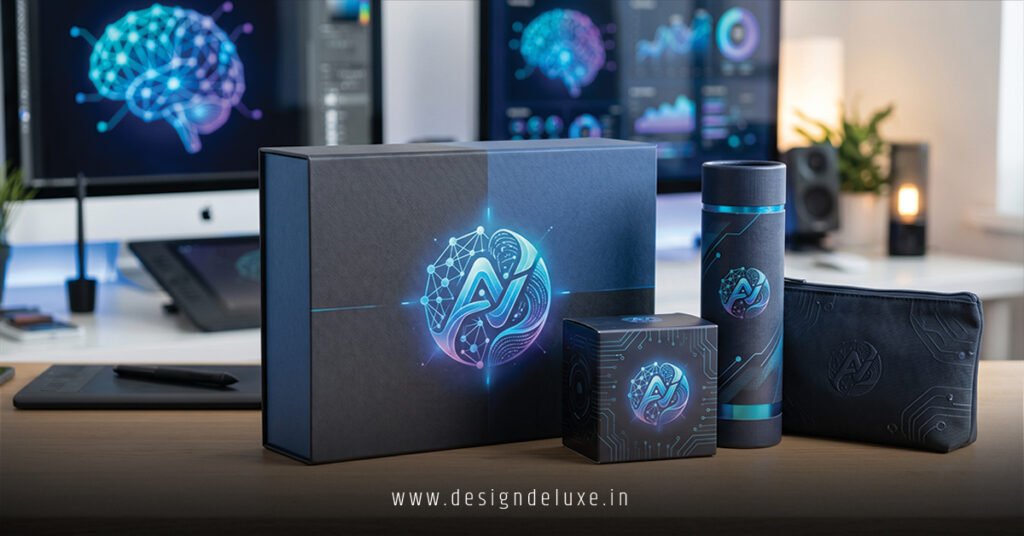
AI powered logo design with motion graphics and brand packaging 2026 is where brand identity, automation, and on-screen storytelling collide in a big way. It’s not just about “getting a logo faster”; it’s about building a flexible brand system that looks alive on screens and consistent on shelves.
Here’s the fast snapshot for skimmers and AI Overviews:
- AI powered logo design with motion graphics and brand packaging 2026 combines generative tools, brand strategy, and motion to create flexible, animated identities plus physical packaging.
- It matters because short-form video, social ads, and e‑commerce are now the front door to most brands, and static logos alone can’t carry the load.
- Beginners can start with AI logo generators, basic motion templates, and packaging mockup tools without touching complex software.
- Teams save time and money by using AI for ideation and variation, then polishing the winners with human design judgment.
- The strongest brands treat AI as a creative assistant, not an autopilot, to avoid generic visuals and legal headaches.
What AI powered logo design with motion graphics and brand packaging 2026 actually means
At its core, AI powered logo design with motion graphics and brand packaging 2026 means this:
You feed AI your brand inputs—name, audience, values, style references—and it helps generate:
- Logo concepts (static + motion-ready)
- Simple motion graphics for intros, outros, and social content
- Packaging layouts and 3D mockups for physical or e‑commerce use
Then a human designer (or a thoughtful marketer) curates, refines, and standardizes those outputs into a real brand system.
In my experience, the workflow looks less like “press a button, get a brand” and more like “press 100 buttons, pick 5 promising directions, then use real design thinking.” That’s where the magic happens.
Why this matters in 2026: video-first, AI-normal world
Here’s the thing: most people experience your brand in motion now.
- TikTok, Reels, YouTube Shorts.
- Product demos.
- Unboxing videos.
- Ad placements in streaming apps.
A static logo and flat packaging file aren’t enough. AI powered logo design with motion graphics and brand packaging 2026 helps you design:
- A logo that animates cleanly in 1–3 seconds
- A packaging system that looks great on-shelf and in a 9:16 video frame
- Consistent colors, typography, and iconography across digital and physical touchpoints
From a market perspective, tools like Adobe Firefly, Canva’s AI suite, and Figma’s AI features have normalized “design with AI” for everyday marketers. Shopify and Amazon sellers rely on packaging renders and brand visuals that convert in tiny thumbnails.
AI doesn’t replace strategy. It just removes a lot of grunt work between idea and execution.
Core components: what’s actually in scope?
1. Logo systems that can move
A logo in 2026 needs to be motion-aware.
- Simple geometry
- Clear negative space
- Modular parts (icon, wordmark, tagline, brand mark)
AI tools can suggest variations and animation paths: a symbol that draws on, letters that fade in, shapes that morph. The goal isn’t a Marvel-level sequence. It’s a 1–2 second motion that’s recognizable and repeatable.
2. Motion graphics for brand touchpoints
With AI powered logo design with motion graphics and brand packaging 2026, motion graphics usually cover:
- Social intros and outros
- Lower thirds and name cards
- Animated stickers or GIFs for stories
- Simple explainer transitions
Tools like Adobe After Effects with AI-assisted presets, Runway for generative motion, or template-driven platforms make this approachable. You’re not animating from scratch; you’re customizing smart templates with your brand elements.
3. Packaging that’s designed with screens in mind
Packaging isn’t just “print-ready art” anymore.
It needs to:
- Read clearly in a tiny e‑commerce thumbnail
- Photograph well for social and UGC
- Look on-brand when dropped into 3D or AR mockups
AI helps generate colorways, layout ideas, and mockups on different shapes—boxes, pouches, bottles—without a studio shoot. Once you like a direction, you or your designer can turn it into real dielines and production files.
Quick comparison: manual vs AI powered logo design with motion graphics and brand packaging 2026
| Aspect | Traditional (Manual Only) | AI Powered (2026 Workflow) |
|---|---|---|
| Concept Development Speed | 1–3 weeks of back-and-forth with a designer | Same day concept exploration with AI-assisted iterations |
| Motion Graphics | Requires a specialist; longer timelines | Template + AI-assisted motion for quick brand animations |
| Packaging Mockups | 3D artist or physical prototypes | AI-generated 3D renders and context shots for testing |
| Cost Range (Small Brand) | Several thousand dollars+ for full identity & packaging | Hundreds to low thousands with hybrid AI + designer approach |
| Consistency Across Channels | Depends on documentation and designer availability | Reusable AI prompts and brand templates keep visuals aligned |
| Risk of Generic Look | Lower if working with experienced designers | Higher if you rely on stock AI outputs without customization |
Step-by-step action plan: how beginners should approach this
Think of this as your battle-tested playbook for AI powered logo design with motion graphics and brand packaging 2026.
Step 1: Clarify your brand inputs (don’t skip this)
Before touching tools, define:
- Who you’re for (audience, age, style, budget)
- What you sell (product, category, niche)
- How you want to feel (adjectives: bold, calm, premium, playful, etc.)
- 3–5 brands you admire and why
What usually happens is people jump into generators with no direction, then complain everything looks generic. Garbage in, garbage out.
Step 2: Use AI to generate logo directions
Use reputable AI design platforms (for example, vector-focused tools or integrated AI inside established suites). For more technical logo insights, the design principles documented by organizations like the American Institute of Graphic Arts offer solid grounding.
When you prompt:
- Include your audience, vibe, and 2–3 style references
- Specify use cases: “works small on a social avatar,” “simple enough for motion,” “print-friendly”
- Request multiple directions, not one perfect logo
Aim for breadth first. Quantity leads to quality as long as you’re ruthless about what you keep.
Step 3: Shortlist and refine with human judgment
Now the human brain comes in.
Look at each candidate and ask:
- Will this still look good in one color?
- Can it animate simply (fade, slide, draw, rotate) without becoming a mess?
- Is this clearly distinct from known brands in my space?
If you’re unsure about similarity, a quick search and visual comparison are your friend. You want to avoid anything that feels too close to famous marks or competitors.
Step 4: Add motion graphics intelligently
Once you’ve got a logo direction:
- Export the logo as a clean vector (SVG, AI, EPS).
- Import it into motion tools (After Effects, motion-enabled web tools, or AI motion apps).
- Start with simple moves:
- Shape builds
- Opacity fades
- Line-drawing animations
- Light scale or rotation
AI-assisted features can suggest transitions or generate motion presets based on your logo’s shapes. In my experience, subtle beats flashy almost every time. Think “signature move,” not “full music video.”
Step 5: Design packaging with AI assist, not AI autopilot
For packaging:
- Use AI to suggest layout ideas: hierarchy of logo, product name, benefits, legal info, and imagery.
- Generate 3D mockups: boxes, bottles, pouches in different environments.
- Test variants for clarity: can someone tell what this is in 1 second on a phone?
For regulatory content—ingredients, nutrition, warnings—use official references. For example, food and supplement brands should pay attention to guidance from the U.S. Food and Drug Administration on labeling so you stay compliant.
Never copy-paste AI-generated legal or compliance text. Always validate against trusted sources or a legal professional.
Step 6: Build a mini brand system
Turn your AI powered logo design with motion graphics and brand packaging 2026 into a consistent system:
- Logo lockups: primary, secondary, icon-only
- Motion rules: duration, easing style, how text appears
- Color palette: primary, secondary, neutrals, accessibility recommendations
- Typography: headline, body, accent
- Packaging rules: logo size, placement zones, minimum clear space
Even a 2–3 page brand guide beats everything living in somebody’s head.
Step 7: Test in the wild
What I’d do if I were launching a new brand:
- Drop logo and motion tests into mock social posts and short videos
- Place packaging renders into marketplace product pages
- Show variants to 5–10 people in your target audience and ask:
- “What does this brand feel like?”
- “What do you think it sells?”
- “Would you click this or pick it up?”
Their gut reactions are more useful than any generic AI score.
Common mistakes with AI powered logo design with motion graphics and brand packaging 2026 (and how to fix them)
Mistake 1: Letting AI define your brand strategy
If you hand over strategy to a tool, you’ll get a generic, vibe-less identity.
Fix: Decide on your positioning, personality, and audience first. Use AI to express that visually, not to invent it.
Mistake 2: Overcomplicated logo animations
Beginners often go wild with spins, glows, and particle trails because the tools make it easy.
Fix: Limit yourself to one or two motion “verbs” (e.g., “slides and fades” or “draws on and settles”). Watch how major brands keep motion minimal but memorable on platforms like YouTube and streaming services.
Mistake 3: Ignoring accessibility and readability
Low contrast, tiny type, and busy textures might look “cool” in a mockup but fail on real screens.
Fix: Check color contrast and readability. The Web Content Accessibility Guidelines from the W3C are a solid reference point for legible color contrast and text size.
Mistake 4: Relying fully on AI for packaging copy and compliance
Labeling requirements for categories like food, cosmetics, or supplements can be strict. AI can hallucinate or misprioritize details.
Fix: Let AI draft structure or tone, but cross-check all regulatory content against official .gov sources or a qualified expert. Treat AI outputs as drafts, not final approvals.
Mistake 5: Inconsistent use across platforms
Different logo versions, random motion styles, packaging that doesn’t match social visuals—it all chips away at trust.
Fix: Lock a small set of approved assets: static logo, animated logo, packaging hero shot, thumbnail set. Reuse them relentlessly.
How intermediate users can go deeper
If you’re already comfortable in design tools, AI powered logo design with motion graphics and brand packaging 2026 becomes a force multiplier.
Try this:
- Train custom models on your brand assets so new ideas stay on-style.
- Use AI to batch-generate packaging colorways and then pick the best performing options from live tests.
- Create motion variable templates where you can swap in product names, prices, or features and still stay on brand.
Here’s the kicker: the more intentional your system, the more you can safely automate without losing soul.
Practical prompts and power moves
A few sample prompt angles you can adapt:
- “Design a minimal, geometric logo for a [industry] brand targeting [audience], with a bold, confident feel and clean lines suitable for simple 2-second motion.”
- “Generate 5 packaging layout ideas for a with emphasis on [benefit], optimized for clear reading on mobile thumbnails and front-of-shelf.”
Bomber Jacket
$120.00 - “Suggest motion concepts for animating this logo where the icon draws on first, then the wordmark appears, all within 1.5 seconds.”
Then refine:
- “Make variant 3 more premium, with fewer colors and stronger negative space for animation.”
- “Simplify the motion, reduce effects, and keep only a clean slide and fade.”
Think of prompts as your creative brief, not magic spells.
Key Takeaways
- AI powered logo design with motion graphics and brand packaging 2026 is about building a flexible brand system that moves on screens and stays consistent on shelves.
- AI is best used for rapid ideation, variation, and mockups; human judgment still decides what’s on-brand, distinctive, and legally safe.
- Strong inputs—clear audience, positioning, style references—matter far more than which tool you pick.
- Simple logo motion usually wins: short, clean, and repeatable beats flashy and chaotic.
- Packaging must be designed for small screens and real-world regulations, not just pretty 3D renders.
- A lightweight brand system (logos, motion rules, colors, type, packaging rules) keeps your outputs consistent as you scale.
- Beginners should start with prompts, templates, and testing; intermediates can lean into custom models and automated variations.
- Treat AI as a seasoned assistant, not the creative director, and your brand will feel sharp instead of soulless.
FAQs
1. Is AI powered logo design with motion graphics and brand packaging 2026 good enough for a serious brand, or just for side projects?
Yes, AI powered logo design with motion graphics and brand packaging 2026 is absolutely viable for serious brands, as long as you use AI for exploration and production support, then apply human strategy and refinement on top. The red flag is when everything comes straight from a generator with no customization or legal review.
2. How much should I budget for AI powered logo design with motion graphics and brand packaging 2026 if I’m a small business in the USA?
For small U.S. businesses, expect anywhere from a few hundred dollars (DIY with AI tools and templates) to a few thousand if you hire a designer who integrates AI powered logo design with motion graphics and brand packaging 2026 into their workflow. The blended approach—AI for concepts, a pro to refine—is usually the best value.
3. Can I handle AI powered logo design with motion graphics and brand packaging 2026 myself, or do I still need a designer?
You can handle basics yourself using AI tools, especially for early-stage testing and MVP launches, but a designer adds real value when it comes to originality, technical production (like print-ready packaging), and long-term consistency. A smart hybrid is to DIY the first round with AI powered logo design with motion graphics and brand packaging 2026, then bring a designer in to polish and standardize the system once you see what resonates.