Eco-Friendly / SustainableBrand
Sustainable eco-friendly packaging design ideas for food brands deliver real differentiation in a market where consumers expect brands to walk the talk on environmental impact.
Sustainable eco-friendly packaging design ideas for food brands combine materials that minimize waste with smart structural choices that protect products, tell your story, and meet 2026 regulations. Brands adopting these see stronger shelf appeal and customer loyalty.
- Recyclable or compostable materials replace traditional plastics, cutting landfill contributions while maintaining shelf life.
- Lightweight and mono-material designs slash transportation emissions and simplify recycling streams.
- Functional innovation like plantable labels or refill systems turns packaging into a brand asset rather than waste.
- Clear disposal instructions and transparency build trust in an era of EPR laws and scrutiny.
These approaches matter because US consumers rank recyclability as the top sustainability factor, with many willing to pay more for verifiable green options.
Why Food Brands Can’t Ignore This Anymore
Food packaging sits at the intersection of safety, freshness, and perception. Get it wrong and you risk spoilage, higher costs, or backlash. Get it right and your box, pouch, or tray becomes a silent salesperson that aligns with values.
In my experience, brands that treat packaging as an afterthought lose ground fast. What usually happens is they chase trends without testing for their specific product—leading to leaks, short shelf life, or confused customers. The kicker? Smart sustainable choices often cut long-term costs through efficiency and premium positioning.
Top Sustainable Eco-Friendly Packaging Design Ideas for Food Brands
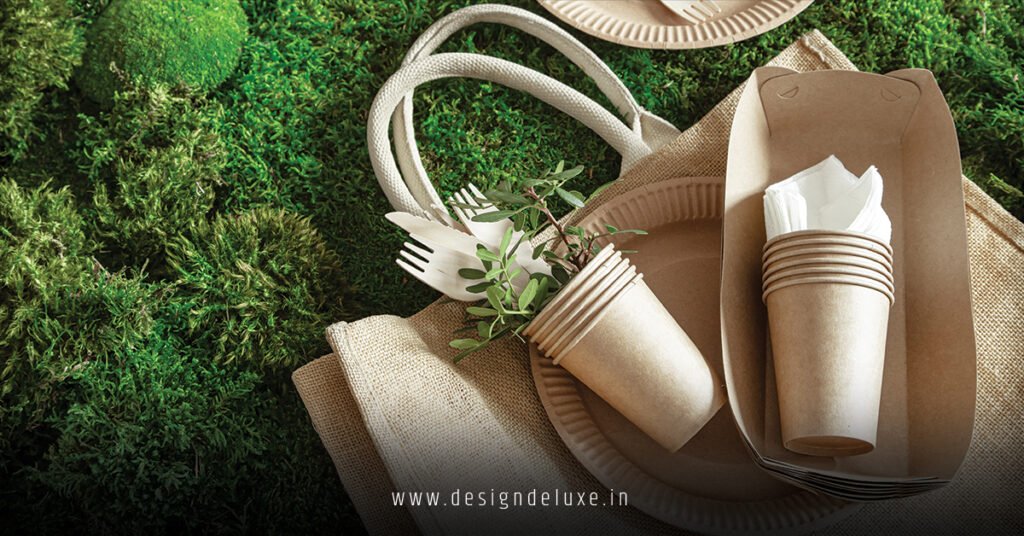
Molded fiber from bagasse or bamboo works wonders for takeaway containers and trays. It handles grease and heat, breaks down cleanly, and looks premium with minimal printing.
Mycelium packaging—grown from mushroom roots—offers shock absorption for delicate items like chocolates or artisanal cheeses. It’s biodegradable and customizable in shape.
Mono-material films and pouches dominate flexible packaging. One plastic type (or paper-based) means easier recycling. Brands like those using high-barrier paper solutions replace multilayers without sacrificing protection.
Plantable seed paper labels or inserts turn post-consumption into growth. Imagine a coffee bag with a label that becomes wildflowers.
Refill and return systems shine for dry goods or sauces. Durable glass jars with take-back programs reduce single-use volume dramatically.
Lightweighting remains underrated. Thinner yet strong materials cut plastic use by 20-50% in some formats while lowering shipping weight.
QR codes linking to stories on sourcing or recycling instructions add interactivity without extra material.
Compostable options like PLA or seaweed-based films suit products with food residue where recycling falls short. Home-compostable versions gain traction for direct-to-consumer brands.
Materials Comparison Table
| Material Type | Best For | Pros | Cons | End-of-Life | Approx. Relative Cost |
|---|---|---|---|---|---|
| Molded Bagasse/Bamboo Fiber | Takeout, trays, cups | Grease-resistant, renewable | Limited high-heat without lining | Industrial/home compost | Low-Medium |
| Mono-Material PE/PP or Paper | Pouches, wraps | Recyclable, strong barrier | Needs collection infrastructure | Curbside recycle | Medium |
| Mycelium | Protective inserts | Cushioning, custom shapes | Scalability still growing | Biodegradable in soil | Higher |
| PLA / Compostable Films | Snack bags, produce | Clear, renewable | Industrial compost preferred | Compost (check local) | Medium-High |
| Recycled Glass | Jars, bottles | Infinite recycling, premium | Heavy for shipping | Curbside recycle | Medium (with PCR) |
This table helps beginners quickly weigh trade-offs. Always verify food-contact safety and regional infrastructure.
Step-by-Step Action Plan for Beginners
Start here if you’re new to this.
- Audit your current packaging. List every component, material, weight, and disposal method. Calculate your baseline carbon and waste footprint.
- Define priorities. What matters most—shelf life, aesthetics, cost, or compostability? Match to your product category (dry snacks vs. wet foods).
- Research compliant materials. Consult suppliers offering FDA/EPA-aligned options. Test small runs for barrier properties and durability.
- Design for circularity. Aim for mono-materials, minimal components, and clear labeling like “Recycle” or “Compost.”
- Prototype and test. Run focus groups and real-world shipping trials. Measure performance against conventional options.
- Launch with transparency. Use packaging real estate to explain choices. Link to deeper info via QR.
- Monitor and iterate. Track sales lift, returns, and customer feedback. Adjust based on EPR reporting requirements in states like California or Colorado.
What I’d do if starting fresh: Partner early with a specialist supplier and budget for third-party certification (e.g., BPI for compostable). It saves headaches later.
Common Mistakes & How to Fix Them
Brands often pick “green” materials that fail in humidity or don’t match food safety rules. Fix: Always test in real conditions and demand certifications.
Overcomplicating with too many elements kills recyclability. Stick to fewer materials.
Greenwashing via vague claims invites FTC scrutiny. Be specific: “Made with 70% post-consumer recycled content” beats “eco-friendly.”
Ignoring infrastructure—home compostable sounds great but fails if customers lack access. Match claims to local reality.
Underestimating costs upfront. Sustainable options can carry premiums initially, but volume and efficiency close the gap. Start with high-margin SKUs.
Poor structural design leads to damage and waste. Prioritize protection alongside planet points.
Sustainable Eco-Friendly Packaging Design Ideas for Food Brands: Implementation Tips
Focus on paperization trends—replacing plastic with functional paper barriers for pouches and wraps. It resonates with consumers who view glass and paper as more sustainable.
Incorporate post-consumer recycled (PCR) content where possible, especially in rigid formats. Many states reward or require it under EPR.
For visual pop, earthy tones, minimal graphics, and tactile finishes work beautifully with natural materials. Avoid heavy dyes.
Explore smart-sizing and rightweight approaches to use less material without compromising integrity.
External resources worth checking:
- Sustainable Packaging Coalition for design guidelines and innovation reports.
- EPA guidelines on sustainable materials management for regulatory context.
- McKinsey consumer insights on packaging for data-backed trends.
Key Takeaways
- Sustainable choices now serve as table stakes for food brands targeting conscious buyers.
- Mono-materials and fiber-based solutions simplify recycling and reduce complexity.
- Test rigorously—performance trumps marketing claims every time.
- Transparency via labels and QR codes builds lasting trust.
- Start small, scale what works, and align with your specific product needs.
- Cost gaps are narrowing as supply chains mature and regulations push efficiency.
- Packaging that protects food while protecting the planet creates genuine competitive edge.
- Consumer preference for recyclable formats remains strong—act on it.
Sustainable eco-friendly packaging design ideas for food brands deliver fresher products, happier customers, and a lighter footprint when executed with intention. Pick one or two ideas that fit your lineup, prototype them, and measure results. The next step? Reach out to a materials supplier for samples tailored to your category and start the transition today. Your brand—and the planet—will thank you.
FAQs
What are the most practical sustainable eco-friendly packaging design ideas for food brands on a budget?
Fiber-based molded containers and recycled paperboard with minimal barriers offer strong starting points. They balance cost, performance, and appeal for snacks, baked goods, or dry foods while being widely recyclable.
How do sustainable eco-friendly packaging design ideas for food brands comply with US regulations in 2026?
Focus on mono-materials, verified recyclability claims, and EPR reporting in applicable states. Use clear disposal instructions and third-party certifications to avoid greenwashing flags from the FTC.
Can small food brands realistically switch to sustainable eco-friendly packaging design ideas?
Yes. Begin with one hero product, leverage supplier minimums for custom runs, and use the change for storytelling. Many report sales uplifts that offset initial investments.