BrandEco-Friendly / Sustainable
Sustainable Chocolate Branding Strategies that actually move the needle in 2026 go way beyond slapping a green leaf on your label. They build trust through real actions that consumers can see, verify, and feel good about.
Smart brands tie sourcing, packaging, storytelling, and operations into one cohesive promise. The result? Loyal customers willing to pay more for chocolates that align with their values.
- Core focus: Transparent cocoa sourcing, verifiable certifications, and circular packaging that reduces waste.
- Why it works: Two in five consumers let sustainability influence their food purchases. Proof beats promises.
- 2026 reality: Shoppers demand traceability to the farm, not just country of origin. Brands without measurable impact lose shelf space and mindshare.
- Big payoff: Higher margins, stronger differentiation, and repeat business in a crowded premium chocolate market.
The brands winning right now make sustainability feel natural, not forced. They let the story sell itself.
Why Sustainable Chocolate Branding Strategies Matter More Than Ever
Consumers grew skeptical of vague claims. Greenwashing backfires fast thanks to quick online checks and scorecard sites.
In 2026, accountability rules. Brands must prove lower carbon footprints, fair farmer pay, and deforestation-free supply chains. Those who deliver see stronger emotional connections and premium pricing power.
The kicker? Sustainability now serves as a baseline expectation rather than a nice-to-have. Ignore it and you risk fading into generic territory.
Key Pillars of Effective Sustainable Chocolate Branding Strategies
Build your foundation on these four areas.
Ethical Sourcing and Traceability
Map your cocoa from specific farms or cooperatives. Use blockchain or QR codes so customers scan and see the journey. Certifications like Fairtrade, Rainforest Alliance, or organic add credibility when backed by audits.
Eco-Friendly Packaging
Ditch excess plastic. Shift to FSC-certified papers, molded pulp, mono-materials, and compostable options. This ties directly into artisan chocolate packaging design for luxury gift boxes — rigid structures with recycled wraps and minimal inks deliver luxury while staying green. Check proven approaches here.
Authentic Storytelling
Share farmer profiles, impact numbers, and origin details. Avoid corporate speak. Real photos, short videos, and annual reports build belief.
Transparency and Measurable Impact
Publish progress on carbon reduction, water use, and living income for farmers. Third-party verification seals the deal.
Sustainable Chocolate Branding Strategies Comparison Table
| Strategy Element | Traditional Approach | Sustainable 2026 Approach | Consumer Impact | Implementation Difficulty |
|---|---|---|---|---|
| Sourcing | Bulk commodity cocoa | Traceable to farm/co-op with certifications | High trust, premium willingness | Medium-High |
| Packaging | Plastic-heavy, single-use | Recycled, compostable, reusable designs | Emotional connection, repeat buys | Medium |
| Storytelling | Generic “premium chocolate” | Farmer stories + verifiable impact data | Loyalty and advocacy | Low-Medium |
| Certifications | None or basic | Multiple (Fairtrade + Rainforest Alliance) | Validation and differentiation | Medium |
| Transparency | Marketing claims only | QR codes, public reports, scorecards | Reduced skepticism | High |
Real numbers vary by scale, but sustainable practices often justify 15-30% price increases when communicated well.
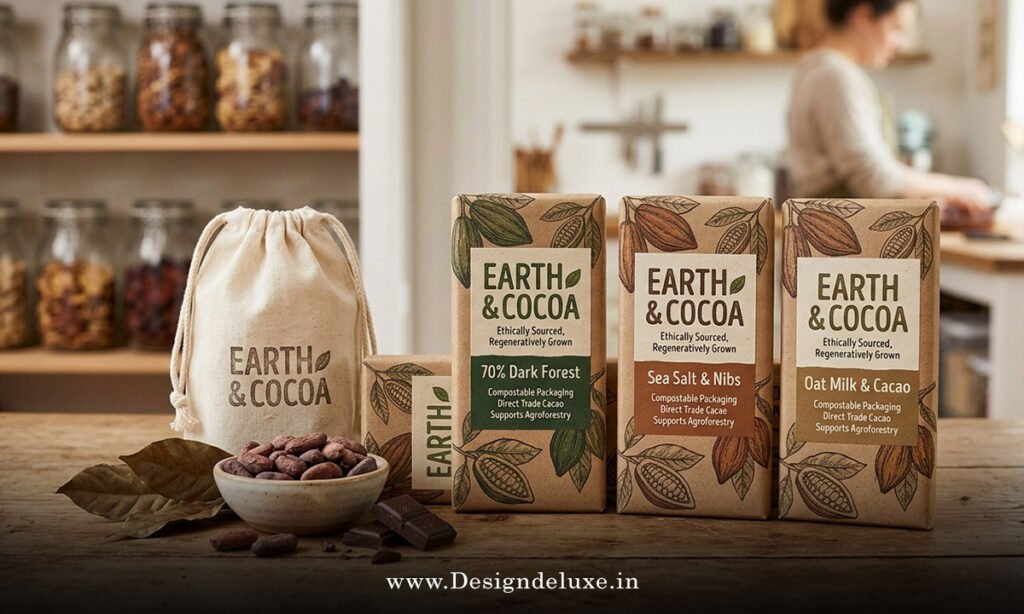
Step-by-Step Action Plan for Implementing Sustainable Chocolate Branding Strategies
Beginners and growing brands, follow this sequence.
- Audit Your Current Chain: Map every supplier. Identify gaps in traceability or labor practices.
- Choose Certifications Wisely: Start with one or two respected ones like Rainforest Alliance or Fairtrade. Understand requirements fully before committing.
- Redesign Packaging for Impact: Focus on materials that protect chocolate while minimizing footprint. Integrate your story on every panel. Link this to strong artisan chocolate packaging design for luxury gift boxes for maximum shelf appeal.
- Build Your Narrative: Create content around people and processes. Share behind-the-scenes without over-polishing.
- Launch Transparency Tools: Add QR codes leading to impact dashboards. Update your website with annual sustainability reports.
- Test and Measure: Run customer surveys. Track sales lift from sustainable claims. Adjust based on feedback.
- Scale Partnerships: Work with NGOs or platforms that verify claims for extra credibility.
What I’d do? Prioritize full traceability first. Packaging comes second because it’s the most visible touchpoint.
Common Pitfalls and Quick Fixes
- Greenwashing Trap: Vague terms like “eco-friendly” without proof. Fix it with specific data and third-party audits.
- Ignoring Farmer Economics: Focusing only on environment. Fix it by ensuring living income initiatives.
- Inconsistent Messaging: Sustainable packaging but non-transparent sourcing. Fix it by aligning every part of the brand.
- Overcomplicating Stories: Too much data overwhelms. Fix it with simple visuals and one clear promise.
- Static Efforts: One-time campaign. Fix it with ongoing reporting and yearly improvements.
Emerging Trends in Sustainable Chocolate Branding Strategies
“Radical traceability” leads the pack. Consumers want estate-level details.
Mono-material and paper-based packaging grows fast for both bars and gift formats. Functional and plant-based lines add another sustainability layer when paired with clean ethics.
Direct trade models and carbon-neutral certifications help premium positioning. Brands that combine all three win big in gifting and subscription segments.
For deeper insight into packaging specifics, revisit proven tactics in artisan chocolate packaging design for luxury gift boxes.
Key Takeaways
- Sustainable chocolate branding strategies center on proof over promises in 2026.
- Traceability and certifications build the necessary foundation of trust.
- Packaging serves as your most visible sustainability statement — make it count.
- Authentic stories about farmers and impact create emotional loyalty.
- Consistency across sourcing, packaging, and messaging prevents greenwashing accusations.
- Measurable results and public reporting separate leaders from followers.
- Small brands can compete by starting focused and scaling transparently.
- The sweetest reward is stronger margins plus genuine positive impact.
Sustainable practices done right don’t just protect the planet. They protect and grow your brand in a skeptical market.
Start by auditing one part of your supply chain this month. Pick the area with the biggest visibility gap and close it. Your customers — and your margins — will thank you.
Which piece of your chocolate branding feels least sustainable right now?
FAQs
How do sustainable chocolate branding strategies affect pricing?
They often support higher price points. Consumers pay more for verified ethical sourcing and eco-packaging when the value feels genuine.
What certifications matter most in sustainable chocolate branding strategies?
Rainforest Alliance, Fairtrade, and organic rank highest. Combine them with transparent reporting for maximum credibility.
Can small chocolate makers implement strong sustainable chocolate branding strategies?
Absolutely. Focus on direct relationships with a few farms and simple but effective packaging upgrades. Authenticity often beats big-budget efforts. Many pair this with thoughtful artisan chocolate packaging design for luxury gift boxes to stand out immediately.