BrandBrand PackagingSocial Media AdvertisingWebsite
Sustainable brand identity packaging design for social media ads and website 2026 starts with packaging that doesn’t just hold your product. It screams your values the second someone scrolls past or clicks “add to cart.”
In 2026, consumers expect brands to walk the talk on sustainability while delivering scroll-stopping visuals that translate seamlessly from unboxing reel to website hero image.
- It aligns visuals, materials, and messaging across platforms to build instant recognition.
- It uses eco-materials that photograph beautifully under natural light or ring lights.
- It cuts waste without cutting appeal, turning packaging into shareable proof of your brand’s authenticity.
- It complies with tightening US rules while boosting conversions.
- It creates a consistent identity that feels premium yet responsible.
This approach matters because 54% of shoppers actively chose sustainable packaging in recent surveys, and 90% say they’re more likely to buy from eco-friendly brands.
Here’s the thing: Your packaging is now your loudest marketing asset—especially on Instagram, TikTok, and your site.
Why Sustainable Brand Identity Packaging Design for Social Media Ads and Website 2026 Wins
Brands that nail this don’t treat packaging as an afterthought. They design it as the hero of their visual ecosystem.
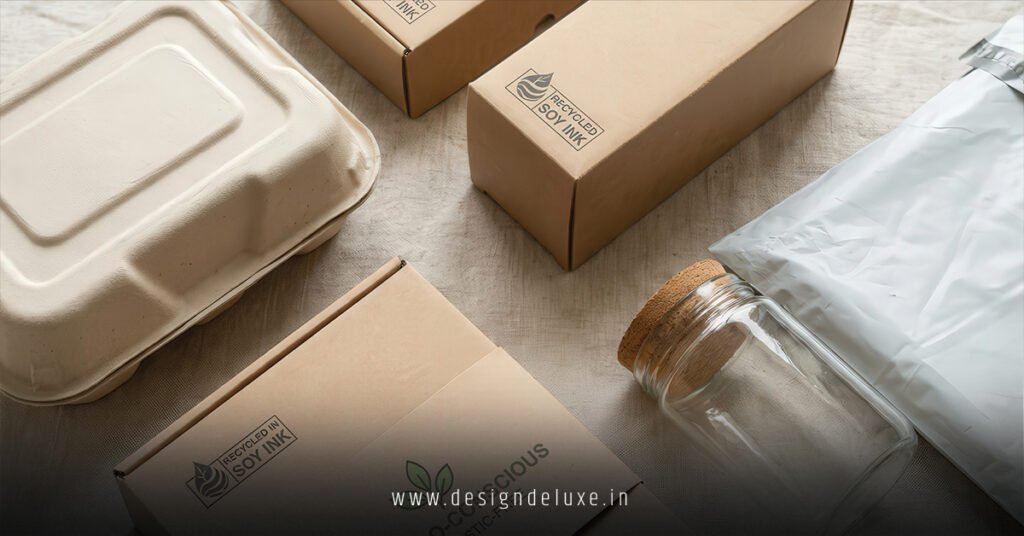
Think mono-material structures that simplify recycling yet look luxe in flat lays. Or kraft with smart embossing that catches light perfectly for Reels. The kicker? These designs travel from physical box to digital ad without losing impact.
US consumers rank recyclability as the top sustainability factor (77% call it extremely or very important). Yet they still demand premium unboxing experiences. Smart brands bridge that gap with thoughtful design.
Sustainable brand identity packaging design for social media ads and website 2026 turns compliance into competitive edge. It builds trust fast in a market flooded with greenwashing claims. (Remember the FTC Green Guides—vague “eco-friendly” boasts still get scrutinized.)
Core Elements of Effective Designs in 2026
Focus on these building blocks:
- Mono-materials and “paperization”: One fiber type dominates for easier recycling. FSC-certified papers replace multi-layer plastics.
- Post-consumer recycled (PCR) content: Meets state laws and tells a strong story.
- Lightweight yet protective: Reduces shipping emissions and costs.
- Refill and reuse systems: Turns packaging into a long-term brand asset.
- QR codes and digital bridges: Link physical package to website stories or AR try-ons.
These choices make your packaging camera-ready. Natural textures pop on social. Clean lines convert on product pages.
Sustainable Packaging Coalition offers solid frameworks for holistic design—check their resources for life-cycle thinking.
Visual Strategies for Social Media Ads
Social media eats visuals. Your packaging must deliver in 3 seconds or less.
Shoot unboxings with natural textures—think matte finishes that reduce glare, subtle embossing for depth. Use consistent color palettes that match your website. Earthy neutrals with one bold accent work wonders.
Create templates for ads: flat lays, lifestyle shots, user-generated content prompts. Encourage shares with clever inserts or messages like “Plant me” on seed-embedded paper.
Sustainable brand identity packaging design for social media ads and website 2026 shines when the same design language rules every touchpoint. One cohesive look builds recognition faster than scattered campaigns.
| Platform | Key Visual Hook | Design Tip | Expected Impact |
|---|---|---|---|
| Instagram/TikTok | Texture & Unboxing | High-contrast natural materials, slow-motion | Viral shares, higher engagement |
| Facebook/Ads | Clean Product View | Minimal text, strong logo | Better click-through rates |
| Website PDP | 360° + Details | Zoomable textures, sustainability badges | Lower bounce, higher conversions |
| Stories/Reels | Dynamic Elements | QR reveal, before/after | Direct traffic to site |
Step-by-Step Action Plan for Beginners
Don’t overthink it. Start here:
- Audit your current packaging. Photograph it under social lighting. Note pain points—excess plastic, hard-to-read labels, weak brand tie-in.
- Define your core identity. What three words describe your brand? Translate them into material choices and visuals. (Example: “Rustic elegance” = textured recycled paper + minimalist typography.)
- Choose materials wisely. Prioritize mono-materials, FSC-certified, or high-PCR content. Test for durability and photo appeal.
- Design for multi-channel. Create mockups for box, mailer, inserts. Ensure it looks killer on white background for site and in real homes for social.
- Add interactivity. Include a QR code linking to your sustainability page or care instructions.
- Test small. Order samples. Run A/B ads. Track shares and feedback.
- Measure and iterate. Track returns, reviews mentioning packaging, and sales lift.
What usually happens is beginners rush the visuals and ignore structural integrity. Or they pick “green” materials that photograph dull. Balance both from day one.
Common Mistakes & How to Fix Them
- Mistake: Greenwashing with vague claims. Fix: Stick to specific, verifiable facts. “Made with 70% PCR content” beats “eco packaging.” Follow FTC Green Guides religiously.
- Mistake: Sacrificing usability for looks. Fix: Test real shipping. Packaging that arrives damaged kills the vibe.
- Mistake: Inconsistent branding across channels. Fix: Create a style guide that covers packaging, ads, and site.
- Mistake: Ignoring end-of-life instructions. Fix: Use clear How2Recycle labels or simple icons. Consumers need to know what to do.
- Mistake: Over-designing (too many elements). Fix: Embrace negative space. Let materials speak.
Cost and ROI Breakdown
| Element | Beginner Cost Estimate (Small Batch) | Potential ROI Drivers |
|---|---|---|
| Material Switch to PCR/Kraft | +10-25% upfront | 20-50% higher perceived value, repeat buys |
| Professional Photography | $500-2000 | Viral social content, ad performance |
| Design & Prototyping | $800-3000 | Stronger brand recall |
| QR/Interactive Features | Minimal | Direct site traffic, data collection |
Long-term, reduced material use and stronger customer loyalty pay dividends. Brands see packaging as marketing that ships itself.
For deeper policy context, review resources from the US Environmental Protection Agency on sustainable materials management.
Key Takeaways
- Sustainable brand identity packaging design for social media ads and website 2026 integrates eco-materials with strong visuals for cohesive storytelling.
- Prioritize recyclability, mono-materials, and shareable aesthetics.
- Consistency across physical and digital builds trust and recognition.
- Avoid vague claims—be specific and compliant.
- Test everything: visuals, protection, and user experience.
- Treat packaging as a marketing channel, not a cost center.
- Start simple, iterate based on real customer feedback.
- The brands winning in 2026 make sustainability feel premium and effortless.
Stop treating packaging like a necessary evil. Make it your secret weapon.
Audit one product line this week. Sketch how its packaging could star in your next ad campaign while cutting waste. The brands that act now own the conversation—and the sales—in this space. Your move.
FAQs
How does sustainable brand identity packaging design for social media ads and website 2026 differ from regular packaging?
It weaves brand values, visual consistency, and eco-credentials into every element so the same package excels in unboxing videos, product pages, and ads while meeting performance and regulatory needs.
What materials work best for photography and sustainability in 2026?
Recycled kraft, FSC papers, mono-material plastics, and innovative options like mushroom-based inserts. They offer great texture for social while simplifying recycling.
Can small businesses afford sustainable brand identity packaging design for social media ads and website 2026?
Yes. Start with small-batch custom mailers or stickers on standard boxes. Focus investment on design and photography first—the multipliers come from better engagement and loyalty.