Eco-Friendly / SustainableBrandDESIGN
Sustainable Brand Design is no longer a side note for businesses that want to look good on paper. It is now part of how customers judge whether your business is worth buying from, trusting, and recommending. If you are a founder or business owner, you have probably felt the pressure to make your brand look polished while also making smarter choices about materials, packaging, and messaging. That can feel like a lot at once, especially when you are trying to grow without wasting money or confusing customers. In this article, we’re going to be taking a look at Sustainable Brand Design, and how you can build a stronger business while making better choices for people and the planet. If you would like to find out more, feel free to read on.
Pic – CC0 License
What Sustainable Brand Design Really Means
At its simplest, Sustainable Brand Design is about building a brand that lasts without creating unnecessary waste. That includes how your logo is used, how your packaging is made, how your website presents your values, and how your customer experience feels from start to finish. It is not just about using recycled paper or earthy colours. It is about making better decisions across the whole brand, so your business looks consistent, feels honest, and works more efficiently.
For beginners, this is good news. You do not need a huge budget to start. You need clear thinking, a steady brand message, and practical choices that match your business goals. A strong sustainable brand also makes it easier for customers to understand what you stand for, which can improve trust and repeat sales.
If you want a simple place to start, look at the UK Government’s guidance on sustainability reporting for a sense of how businesses are being expected to explain their impact more clearly. In the USA, the U.S. Small Business Administration is a useful starting point for general small business planning. For a global view on responsible business practices, the United Nations Global Compact is a helpful reference.
Why Customers Care More Than Ever
People are paying more attention to what brands do, not just what they say. That is true in the USA, UK, Australia, Singapore, and Dubai, where customers are becoming more aware of waste, greenwashing, and vague claims. They want brands that are clear, specific, and believable. If your business talks about sustainability, it needs to show it in a real way.
This does not mean you need to be perfect. It means you need to be honest. Customers are often more forgiving of a company that is improving than one that sounds polished but feels fake. A simple packaging change, a lower-waste production process, or a clearer sourcing policy can do more for your reputation than a long list of buzzwords.
Sustainable Brand Design helps you communicate that progress in a way people can understand. When your branding feels consistent with your actions, customers are more likely to trust you, share your story, and stay with you over time.
Sustainable Brand Design Choices That Actually Work
A lot of business owners think sustainability means a complete rebrand. Usually, it does not. The best approach is to make smart, visible changes that support your message and your margins.
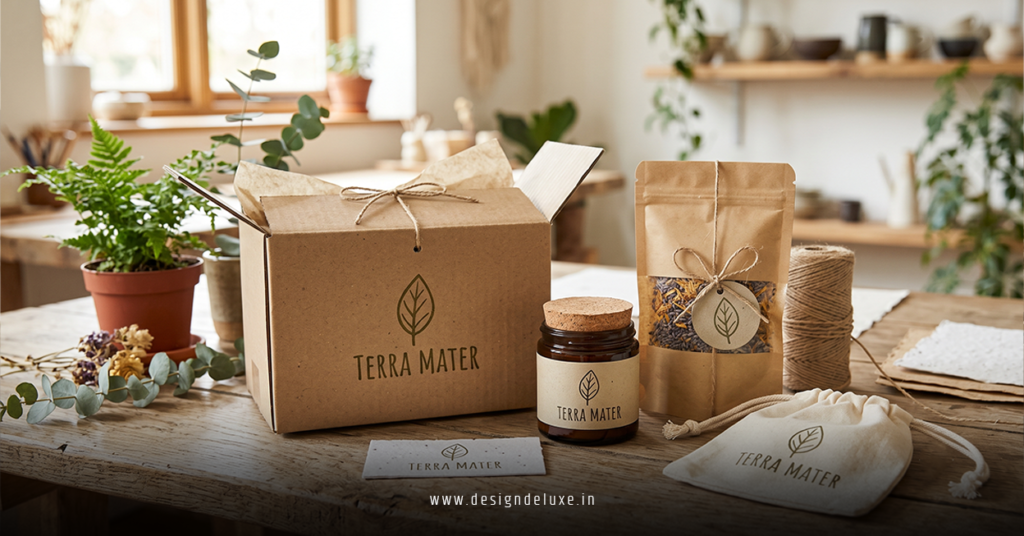
Start with your packaging. Can you reduce layers, use lighter materials, or switch to recyclable options without harming the product experience? Then look at your visual identity. A simple, flexible design system often lasts longer than a trend-driven look that needs replacing every year. That saves time, money, and effort.
Next, think about your brand copy. If you claim sustainability, be specific. Say what you are doing, why it matters, and what stage you are at. Avoid vague phrases like “eco-friendly” unless you can explain exactly how. This is where many brands lose trust.
You should also think about digital design. A faster website, fewer unnecessary assets, and better page structure can improve user experience while cutting down on energy use. That is a practical win for your business and your audience.
Sustainable Brand Design and Growth
Sustainable Brand Design is not just about ethics. It can also support growth. A clear, durable brand system makes it easier to launch new products, enter new markets, and train new team members. When your brand rules are simple, your business moves faster.
This matters especially if you are operating across different regions. In Singapore and Dubai, for example, premium presentation and trust are often closely connected. In the UK and Australia, transparency and practical responsibility can play a big role in customer choice. In the USA, strong brand values often help businesses stand out in crowded markets. Sustainable Brand Design gives you a framework that can travel well across all of them.
It also helps your team make better decisions. When everyone understands the brand, they are less likely to create wasteful materials, off-message campaigns, or expensive redesigns. That means less confusion and more consistency.
How to Keep It Simple Without Losing Impact
You do not need to do everything at once. In fact, trying to do too much can make your brand feel scattered. Pick one area to improve first, then build from there.
A good starting point is your brand promise. Ask yourself what your business stands for, what your customers care about, and what you can prove right now. Then make sure your visuals, packaging, and website all support that message. If a design choice looks good but creates waste or confusion, it is probably not helping.
Also, keep your claims measurable where possible. If you use recycled materials, say what percentage. If you reduced packaging, say by how much. If you support a cause, explain how. Clear facts are stronger than broad statements, and they make your Sustainable Brand Design feel real.
The Long Game for Smart Business Owners
The best brands are not the loudest. They are the ones that feel steady, clear, and believable over time. That is why Sustainable Brand Design matters so much. It helps you build a business that looks modern today and still makes sense five years from now.
It also protects you from common mistakes. Trend-based branding can age quickly. Overpromising can damage trust. Wasteful design can quietly eat into your profits. A sustainable approach helps you avoid all three.
If you treat Sustainable Brand Design as part of your business strategy, not just your look and feel, you give yourself a real advantage. You make your brand easier to trust, easier to grow, and easier to remember.
We hope that you have found this article enlightening in some way and, more importantly, useful for your next steps. Sustainable Brand Design is not about being perfect. It is about making thoughtful choices that help your business grow with more confidence and less waste. Start small, stay honest, and build a brand your customers can believe in.