Brand
Brand Identity Basics are where smart businesses start. Before you worry about advanced marketing, ads, or social media tricks, you need a brand that feels clear, consistent, and true to your business. If your logo, colours, tone of voice, and customer experience all feel random or mismatched, it becomes harder for people to trust you, remember you, or recommend you. The good news is that getting the basics right is simpler than most founders think. In this article, we’re going to be taking a look at Brand Identity Basics, and how you can create a brand that feels real, memorable, and ready for growth. If you would like to find out more, feel free to read on.
Pic – CC0 License
What Brand Identity Really Is
When we talk about Brand Identity Basics, we are talking about the visible and emotional parts of your brand that people recognise and remember. That includes your logo, colours, fonts, imagery style, and the way you talk about your business. It also includes the feeling people get when they interact with you online or in person.
Your brand identity is not just a logo file you send to a designer. It is the full system that tells customers, “This is us.” If it is too complicated, unclear, or copied from another business, people will struggle to connect with it. If it is simple, honest, and consistent, it becomes much easier for customers to spot you in a crowded market.
Why Brand Identity Basics Matter for Growth
A lot of entrepreneurs try to grow first and fix their brand later. That usually creates problems. Without strong Brand Identity Basics, your marketing feels scattered, your team gets confused, and your customers receive mixed signals.
A clear brand identity helps you:
- Attract the right customers who “get” you quickly.
- Keep your messaging consistent across platforms and markets.
- Train new team members faster because they understand your brand rules.
- Make better decisions about design, packaging, and content.
This matters in every region, whether you are building a startup in the USA, a consulting firm in the UK, an e‑commerce brand in Australia, a fintech company in Singapore, or a lifestyle brand in Dubai. A solid identity is a base you can build on anywhere.
The Core Elements of Brand Identity Basics
To keep this simple, we can break Brand Identity Basics into a few key parts that every business should think about.
1. Your Brand Foundation
This is the part most people skip, but it is where everything starts. Your foundation includes:
- What you stand for (your values).
- Who you serve (your key audience).
- What makes you different (your position in the market).
If you are not clear on these, your design choices will feel random. Before choosing colours or fonts, write down what you want people to feel when they see your brand. Do you want them to feel calm, bold, premium, friendly, innovative? That emotional target guides every design decision.
2. Visual Identity
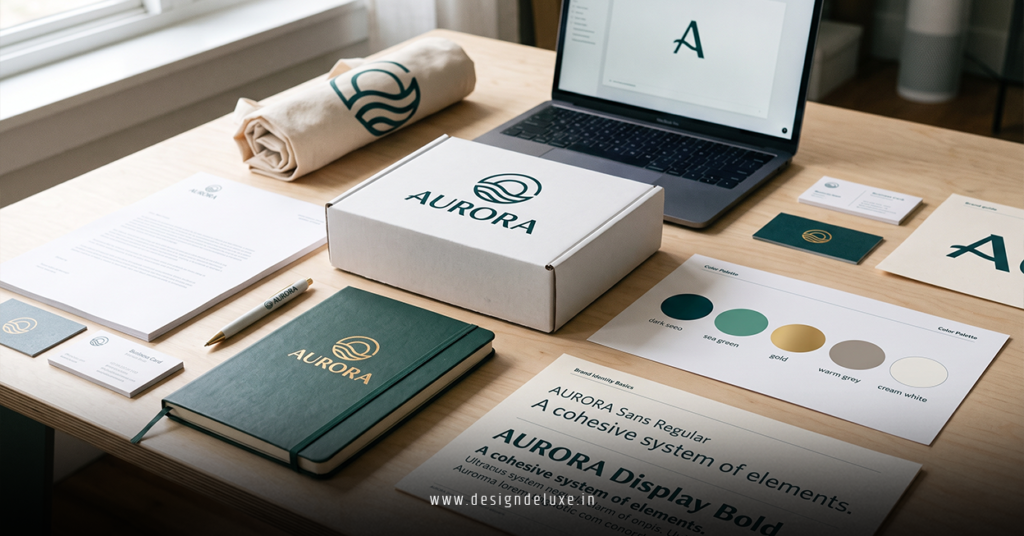
This is what people see first, and what they use to remember you. Strong Brand Identity Basics include:
- A simple, flexible logo that works in colour and black‑and‑white.
- A small, focused colour palette (often 2–4 core colours).
- A pair of fonts that are easy to read across web and print.
- A clear style of imagery (photos, illustrations, or icons) that matches your tone.
You do not need to follow trends. You need to be consistent. If your website, packaging, and social media all look like different companies, you are making it harder for your brand to stick in people’s minds.
3. Verbal Identity
This is how your brand sounds. Many business owners work hard on the logo but forget the words, which is a missed opportunity.
Verbal identity includes:
- Your brand voice: serious, playful, expert, friendly, etc.
- The phrases you use often (taglines, value statements, customer promises).
- The way you explain what you do in one or two clear sentences.
If your tone changes wildly from one channel to another, people will struggle to understand who you really are. Aim for a voice that feels natural to you and honest to your audience. Avoid empty buzzwords and say what you really do.
Connecting Brand Identity Basics to Sustainable Brand Design
Once you understand Brand Identity Basics, you are in a strong position to build a brand that also makes better choices for people and the planet. This is where Sustainable Brand Design comes in.
Sustainable Brand Design uses your brand identity as a base, then asks:
“Can we express this brand in a way that creates less waste, more clarity, and more long‑term value?”
If your identity is simple and focused, it becomes easier to create packaging that uses fewer materials, marketing assets that can be reused, and design systems that do not need constant overhaul. That is good for your budget and good for your impact.
When your visual and verbal identity are clear, you can also explain your sustainability efforts more honestly and consistently. Customers in the USA, UK, Australia, Singapore, and Dubai are becoming more aware of greenwashing. A strong identity and Sustainable Brand Design together help your message feel believable, not just “nice-sounding.”
Common Mistakes to Avoid With Brand Identity Basics
Beginners and even intermediate entrepreneurs often fall into the same traps when working on their brand identity. Here are a few to watch out for:
- Changing your logo every few months because it “doesn’t feel right” instead of fixing the deeper brand foundation.
- Using too many colours and fonts, which makes your brand look messy and less professional.
- Copying the look and feel of large brands in your industry, which can make your business feel generic instead of unique.
- Ignoring your customer’s point of view and designing only for what you like personally.
Your brand identity should be rooted in your strategy and your audience, not just your taste. You can still express your personality, but it needs to serve the business.
How to Start Refining Your Brand Identity Today
You do not need a big agency to start improving your Brand Identity Basics. You can take practical steps right away.
- Write a one‑page summary of your brand foundation: who you serve, what you offer, and why it matters.
- Choose a simple colour palette and stick to it across your website, social media, and printed materials.
- Pick one main font for headings and one for body text, and apply them everywhere.
- Define three words that describe your brand voice (for example: “straightforward, friendly, expert”) and use them to guide your writing.
- Review your visuals and copy with the question: “Does this feel like us, and is it easy for our customers to recognise?”
As you refine these basics, you can gradually layer in more advanced choices, including Sustainable Brand Design, better user experience, and more strategic marketing.
The Long-Term Payoff of Getting the Basics Right
The strongest brands are not built on tricks or one‑off campaigns. They are built on clear Brand Identity Basics that stay stable while the business grows. When your identity is solid, you can adapt, expand, and experiment without losing who you are.
A clear brand makes hiring easier, partnerships smoother, and customer loyalty stronger. It also gives you a foundation for more responsible, sustainable choices as you grow, whether you are operating locally or across multiple regions.
We hope that you have found this article enlightening in some way and helpful as you think about your own brand. Brand Identity Basics are not about perfection. They are about clarity, consistency, and honesty. If you focus on getting the fundamentals right, you will be in a much better position to explore Sustainable Brand Design, smarter marketing, and long-term growth with confidence.