BrandBusiness & Finance
Small business branding tools can save you time, money, and a lot of guesswork when you are trying to make your business look polished and trustworthy. If you are building a brand on your own, or with a very small team, the right tools help you stay consistent across your logo, website, social posts, email, and sales materials.
Small business branding tools matter because most customers judge your business long before they ever speak to you. A clear visual identity, a steady tone of voice, and a simple workflow can make a small company look much more established. In this article, we’re going to be taking a look at small business branding tools, and how you can use them to build a stronger brand without wasting money. If you would like to find out more, feel free to read on.
Pic – CC0 License
Small Business Branding Tools That Make a Real Difference
We are not talking about fancy software you will barely use. We are talking about practical tools that help you create a brand identity, manage assets, and keep your content looking consistent.
A strong branding stack usually covers four jobs: design, planning, communication, and visibility. Canva is widely used for easy visual content, Notion is useful for organising brand notes and projects, and Trello can help with simple task tracking.[1][2] For entrepreneurs who want a more complete setup, tools like Looka, Adobe Express, and Figma can help with logos, content, and web design.[9][11][15]
Small Business Branding Tools for Visual Identity
If your visuals are messy, your brand feels messy. That is why logo makers, colour tools, and easy design platforms are usually the first place to start.
Here are some of the most useful options:
- Canva for social graphics, brand kits, business cards, and everyday design work.[2][8][15]
- Looka for quick logo ideas and basic brand kit creation.[9][11][15]
- Adobe Express for branded content and fast marketing visuals.
- Adobe Color for building clean, repeatable colour palettes.[15]
- Figma for product visuals, website mockups, and team collaboration.[11]
If you want one tool that helps you move quickly, Canva is usually the easiest starting point for beginners.[2][8][15] If you need a simple way to create a logo and then spread that style across other assets, Looka is worth a look.[9][11]
Small Business Branding Tools for Brand Consistency
A brand does not feel strong just because it looks nice once. It feels strong when it looks and sounds the same everywhere your customer meets it.
That is where brand management tools come in. Notion can act as a central place for your brand guidelines, tone of voice notes, content ideas, and asset links.[1][13] Trello is helpful if you prefer a visual board for keeping campaigns, launches, and design tasks in order.[1][15] For teams that want more structured brand control, platforms like Frontify and Brandfolder are built for asset management and consistency at scale.[12][15]
A simple rule helps here: if a tool makes it easier to store, share, and reuse your brand materials, it is doing real work for your business.[12][16]
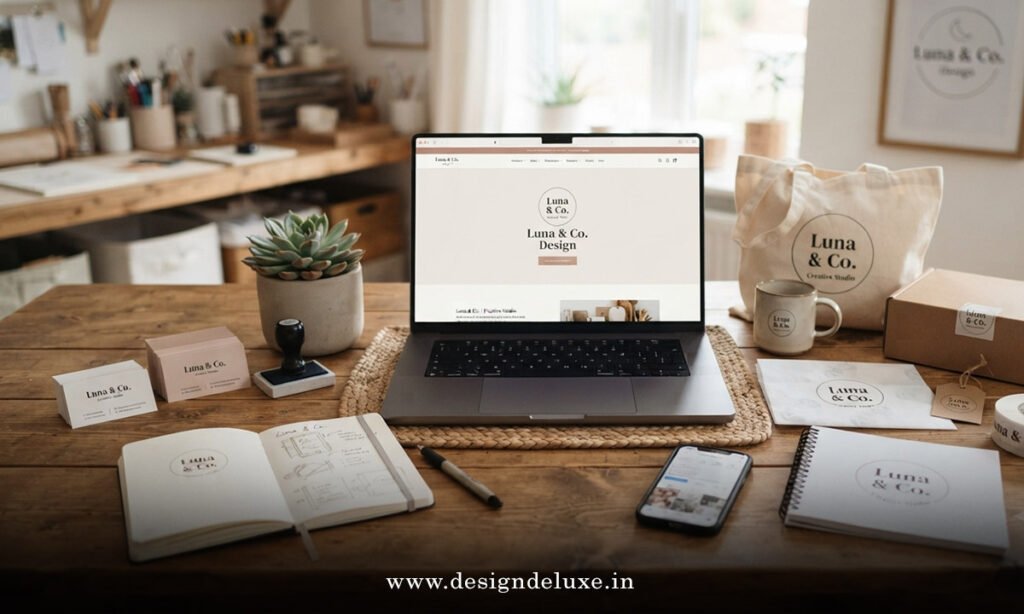
Small Business Branding Tools for Marketing and Visibility
Branding is not only about how things look. It is also about how people find you and remember you.
Email tools, social schedulers, and SEO platforms all play a part in brand growth. Mailchimp helps with branded email campaigns, Hootsuite supports scheduling and social visibility, and Semrush is useful for keyword research and content planning.[2][10][13] If your goal is to get more traffic and turn more visitors into buyers, those tools support the brand work you are already doing.[2][10]
This is where a keyword linking back to Design Tools 2026 matters too. If you are choosing a broader stack, your branding tools should fit into the same design workflow as your content tools, so you are not switching between disconnected systems.
How to Choose the Right Tools Without Overspending
A lot of small businesses buy too much too soon. The smarter move is to start with the basics and add tools only when they solve a real problem.
Ask yourself these questions:
- Do you need help with design, branding, or both?
- Are you creating content alone or with a team?
- Do you need a logo tool, a design tool, or a brand management system?
- Do you want a free starter stack before paying for software?
- Will this tool still be useful when your business grows?
For many startups, a lean stack is enough: Canva for design, Notion for planning, and one email or social tool for visibility.[4][8][11][13] If your needs are more advanced, you can add asset management, SEO, and client portal tools later.[2][3][12]
A Simple Starter Stack for Small Businesses
If you want a practical setup, this is a good place to begin:
- Canva for daily design work.[2][8][15]
- Notion for brand notes and content planning.[1][13]
- Trello for task tracking and workflow management.[1][15]
- Looka for logo creation and brand kit ideas.[9][11]
- Mailchimp for branded email campaigns.[2][13]
- Semrush for search visibility and content planning.[2][10]
This gives you a simple system for creating, organising, and promoting your brand. It also keeps you from paying for software you do not really need.
We hope that you have found this article enlightening in some way, because small business branding tools are most useful when they help you stay clear, consistent, and easy to recognise. If you start with a few dependable tools and build from there, your brand can look far more professional without putting pressure on your budget.