E-CommerceBrand
E-commerce Branding Tips for Beginners can make the difference between blending in and standing out in a crowded online marketplace.
E-commerce Branding Tips for Beginners start with realizing that your brand is more than a logo or name. It is the feeling customers get when they interact with your store. Many new entrepreneurs jump straight into product sourcing and ads without building a clear identity first. This often leads to confused buyers and weaker sales. You can avoid that path by focusing on simple, consistent choices from day one.
In this article, we’re going to be taking a look at E-commerce Branding Tips for Beginners, and how you can create a memorable business that customers trust and return to. If you would like to find out more, feel free to read on.
Pic – CC0 License
Why Strong Branding Matters for Your E-commerce Store
Branding helps people recognize you instantly across social media, your website, and even the package that arrives at their door. When everything feels connected, customers feel more confident buying from you.
Beginners often underestimate this. A clear brand story turns one-time purchases into loyal relationships. It also makes your marketing efforts work harder because your message stays consistent.
In markets like the USA, UK, Australia, Singapore, and Dubai, shoppers see hundreds of options daily. A solid brand cuts through the noise and gives you an edge.
Defining Your Brand Identity Early
Start by answering a few basic questions. Who are your ideal customers? What problem do you solve for them? What values does your business stand for?
Write down three to five words that describe your brand personality. Maybe it is friendly and approachable, or bold and modern. Use those words to guide every decision.
Choose a simple name that is easy to spell and remember. Check availability on social platforms and domain registrars at the same time. This saves headaches later.
Your color palette and fonts should reflect that personality. Stick with two or three colors and one or two fonts across your entire business. Consistency builds recognition fast.
Creating Visual Elements That Work Together
A simple logo is enough when you are starting. It should look good small on mobile screens and larger on packaging. Tools like Canva make this accessible without hiring a designer immediately.
Product photos need to match your style. Use the same background, lighting, and angle for all images. This makes your store look professional and polished.
Think about how your brand appears in real life. Packaging is a big part of the customer experience. For more ideas on tying everything together, check out our guide on professional brand packaging design and website design for e-commerce marketing.
Building Trust Through Your Website and Content
Your website is your brand’s home online. Keep it clean and easy to navigate. Use the same colors and tone of voice everywhere.
Write product descriptions in your brand voice. If you are fun and casual, let that show. Customers connect with personality.
Share helpful content on your blog or social channels. Simple tips related to your products position you as a helpful expert. This builds trust over time.
Include real customer photos and reviews. Authentic social proof strengthens your brand more than perfect studio shots.
HubSpot’s branding basics offer straightforward advice many successful e-commerce stores have followed.
Using Social Media to Grow Your Brand
Pick one or two platforms where your customers spend time. Post regularly with the same visual style.
Engage with comments and messages quickly. Fast responses show you care. This human touch makes your brand feel approachable.
Run simple giveaways or user-generated content campaigns. Encourage customers to share their purchases with your hashtag.
Remember to link everything back to your store. Every post should guide people toward shopping or learning more about you.
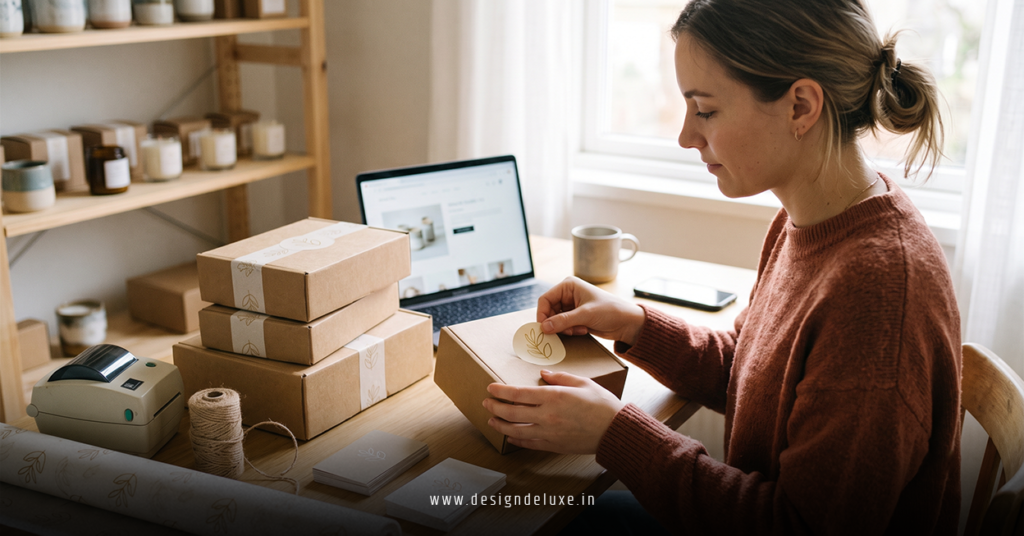
Packaging and Delivery as Brand Moments
The package that arrives is a powerful branding opportunity. A thoughtful note or small extra can turn a standard delivery into a delightful experience.
Use labels and inserts that match your website design. This reinforces your identity even after the sale.
In 2026, customers notice sustainable choices. Eco-friendly materials can become part of your brand story if they align with your values.
Track feedback from early shipments. Small improvements here create big loyalty gains.
Common Mistakes Beginners Should Avoid
Trying to be everything to everyone weakens your brand. Focus on a specific group of customers first.
Inconsistent visuals across platforms confuse people. Set rules for your team or yourself and follow them.
Ignoring mobile users hurts your brand perception. Most shopping happens on phones, so test everything on small screens.
Copying competitors exactly makes you forgettable. Borrow ideas but add your unique twist.
Practical Next Steps for Getting Started
Begin with a one-page brand guide. Include your colors, fonts, tone of voice, and key messages. Refer to it before every new design or post.
Set a small budget for professional help on key pieces like your logo or website template if needed. Many platforms offer affordable options for beginners.
Review your branding every few months as your business grows. What worked at the start might need refreshing later.
Stay authentic. Customers can spot when a brand tries too hard. Honest storytelling wins in the long run.
Bringing It All Together for Long-Term Success
E-commerce Branding Tips for Beginners come down to consistency and care. When you show up the same way everywhere, customers learn to trust you.
Take time to build these foundations now. They support everything else you do later, from marketing to product launches.
Your brand becomes an asset that grows in value over time. It helps you stand out, charge fair prices, and create a business you feel proud of.
We hope that you have found this article enlightening in some way. Pick one tip today and put it into action. Small consistent steps will help your e-commerce brand grow stronger month after month.