Brand PackagingDESIGNE-CommerceMARKETINGWebsite
Professional brand packaging design and website design for e-commerce marketing is one of the smartest moves you can make when you’re selling online.
Professional brand packaging design and website design for e-commerce marketing starts with understanding how your customers actually experience your business. You might have great products, but if the box that arrives at their door looks sloppy or your website feels confusing, they hesitate. Many beginner and intermediate entrepreneurs we talk to struggle with this exact issue. They focus heavily on products and ads but overlook how packaging and the site work together to build trust and drive repeat sales.
In this article, we’re going to be taking a look at professional brand packaging design and website design for e-commerce marketing, and how you can boost customer loyalty while increasing conversions. If you would like to find out more, feel free to read on.
Pic – CC0 License
Why Professional Brand Packaging Design and Website Design for E-commerce Marketing Matters
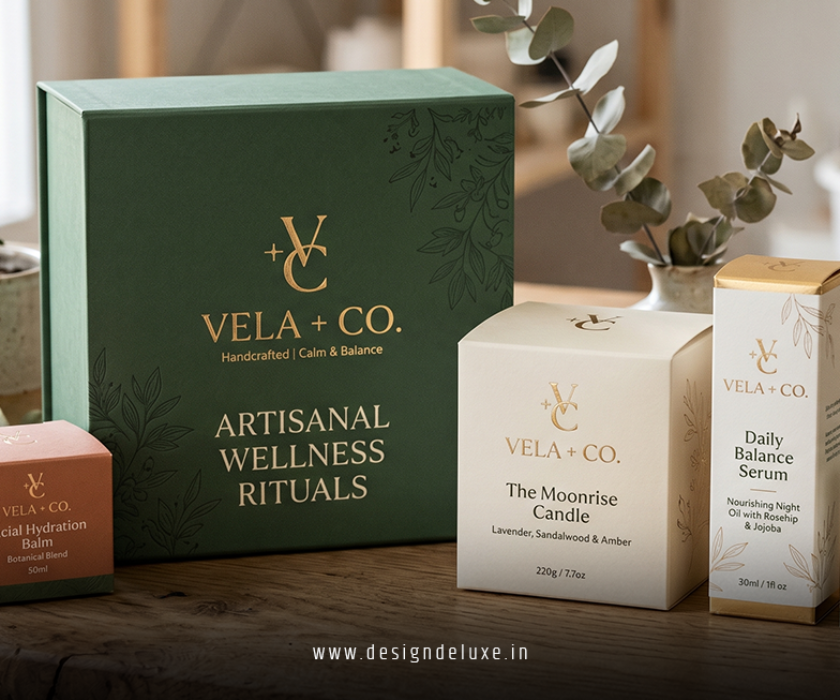
Your packaging is often the first physical touchpoint with customers in e-commerce. A well-designed box or mailer creates excitement when they open it. It turns a simple delivery into a memorable moment that makes people want to share on social media.
On the website side, visitors decide in seconds whether to stay or leave. Clean design, easy navigation, and fast loading help them find what they need without frustration. When your packaging and site tell the same story, your brand feels consistent and professional across every interaction.
This matters even more in competitive markets like the USA, UK, Australia, Singapore, and Dubai. Customers there expect quality and convenience. Getting both elements right can lift your average order value and reduce returns.
Getting Started with Professional Brand Packaging Design
Begin by thinking about your brand personality. Are you fun and colorful or clean and premium? Choose materials that match. In 2026, sustainable options like recycled kraft or plant-based materials stand out without breaking the bank.
Keep designs simple. Bold logos, clear product info, and a thank-you note inside go a long way. For e-commerce, focus on protection during shipping while making the unboxing feel special. Avoid overly busy prints that get damaged in transit.
Test a few prototypes with real shipments. Ask friends or early customers for feedback on how the package feels. Small tweaks here can make a big difference in how people perceive your business.
Many entrepreneurs start with services that offer custom boxes in smaller quantities. Look for providers who understand direct-to-consumer shipping needs.
Building a Strong E-commerce Website That Sells
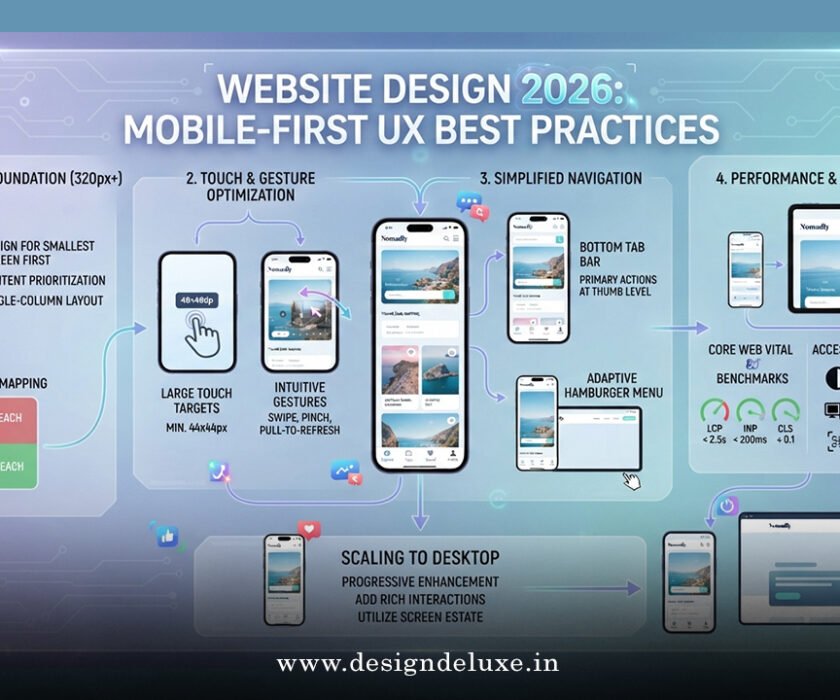
Your website needs to load quickly on mobile phones, since most shopping happens there. Use clear photos of products from multiple angles. Add simple descriptions that highlight benefits, not just features.
Navigation should be straightforward. Put popular categories front and center. Include trust signals like secure checkout badges and real customer reviews. In 2026, features like quick view options and saved carts help reduce abandoned purchases.
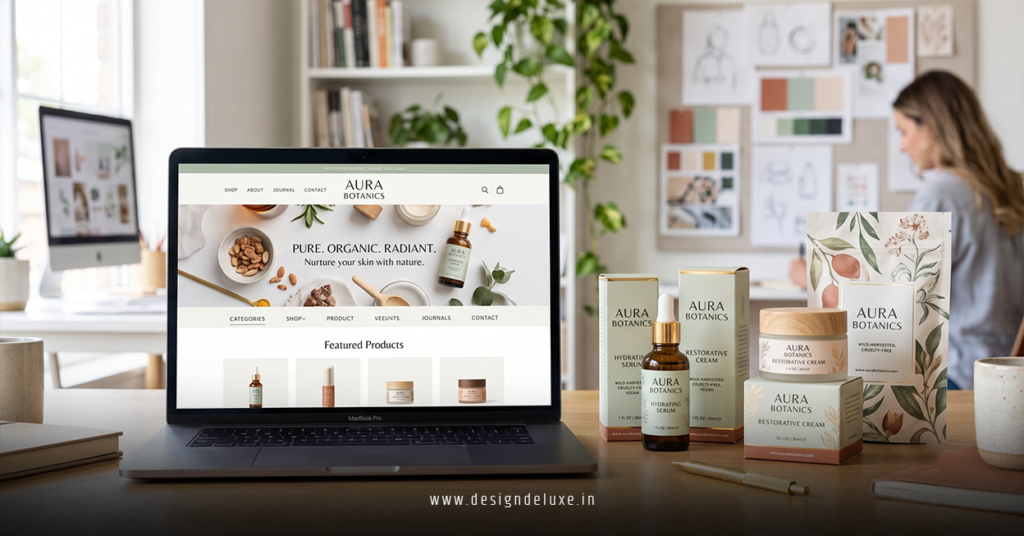
Think about how your site connects to packaging. Show photos of the actual packaged product on detail pages. This sets clear expectations and cuts down on surprises.
For accessibility, use high contrast text and simple fonts. This helps more people shop comfortably and improves your search rankings.
Shopify’s guide to e-commerce design offers practical examples that many growing brands follow successfully.
Integrating Packaging and Website Design for Better Results
The real power comes when your packaging and website work as one. Match colors, fonts, and messaging across both. If your site uses warm earth tones, carry that into the box inserts.
Add QR codes on packaging that link to your site for care instructions or reorder options. This bridges the physical and digital worlds smoothly. Customers appreciate the extra help.
In places like Singapore and Dubai, where gifting is big, thoughtful packaging can turn one-time buyers into loyal fans. Your website can then nurture them with personalized recommendations.
Tools like Canva or professional designers on platforms such as Fiverr let you experiment affordably before committing to larger runs.
Key Trends to Watch in 2026
Sustainability remains important. Customers want packaging they can recycle easily. Lightweight designs that still protect items ship cheaper and appeal to eco-conscious buyers.
On websites, expect more interactive elements like augmented reality try-ons for certain products. Simple animations that show how items work keep visitors engaged without slowing things down.
Minimalist aesthetics dominate both areas. Clean lines and plenty of white space help your brand look premium even if you’re just starting out.
Adobe’s creative resources can help you explore these styles for both digital and print projects.
Common Mistakes to Avoid
Don’t copy big brands exactly. Instead, adapt ideas to fit your own story. Generic designs make you blend in rather than stand out.
Another pitfall is ignoring mobile users. If your site looks great on desktop but terrible on phones, you lose sales every day. Test everything on actual devices.
With packaging, skipping quality checks leads to damaged goods and unhappy customers. Always factor in shipping realities for your regions.
Overcomplicating things is easy too. Start simple and improve based on real customer feedback over time.
Practical Tips for Entrepreneurs in the USA, UK, AUS, Singapore, and Dubai
Consider local regulations around materials and shipping. In the UK and Australia, recycling rules are strict, so plan ahead. Dubai and Singapore value luxury touches, so premium details can justify higher prices.
Budget wisely. You don’t need to spend thousands upfront. Begin with a few hero products and expand as sales grow.
Track results. Use website analytics to see which pages convert best. For packaging, include a simple survey link inside boxes to gather insights.
Partner with local printers or fulfillment centers when possible. Faster delivery and lower costs make a real difference.
Making It All Work Together
Professional brand packaging design and website design for e-commerce marketing isn’t about perfection on day one. It’s about creating a cohesive experience that builds trust. When customers feel good about every step, they come back and tell others.
Focus on solving real problems for your buyers. Make shopping easy and the delivery delightful. These two areas together become powerful marketing tools that set your business apart.
We hope that you have found this article enlightening in some way. Take one small step this week toward improving either your packaging or your website, and you’ll start seeing the difference in how people respond to your brand. Keep learning, stay consistent, and watch your e-commerce business grow stronger.