Brand PackagingAD Video / Motion GraphicsDESIGN
Custom brand packaging design with motion graphics 2026 turns static boxes into living brand experiences. Scan a code. Watch your logo unfold, colors shift, or a story play out right on your phone. It’s not gimmick stuff anymore. It’s the edge that makes shoppers stop scrolling and start connecting.
- What it is: Physical packaging layered with QR codes, AR triggers, or NFC that unlock short motion graphics — think animated product stories, behind-the-scenes clips, or interactive demos.
- Why it matters: In a sea of lookalike shelves, this approach boosts engagement, builds trust, and drives shares. Brands see real lifts in unboxing videos and repeat buys.
- Who needs it: DTC founders, mid-size CPG teams, and anyone tired of bland retail presence.
- 2026 reality: WebAR removes app friction. Tools got cheaper. Motion elements now feel native, not bolted on.
The kicker? Done right, your packaging stops being a cost center and starts pulling its weight as a marketing asset.
Why Custom Brand Packaging Design with Motion Graphics 2026 Wins Shelves and Screens
Walk any store aisle in 2026 and you’ll spot the shift. Dull, flat designs fade into the background. Packages that move? They demand attention.
Motion graphics tie directly into the physical object. A coffee bag might animate steam rising when scanned. A skincare jar could reveal ingredient journeys through smooth 3D transitions. It’s storytelling that happens at the exact moment someone holds your product.
Here’s the thing. Consumers already scan QR codes. Reports show roughly 50% are willing to do it for more info. The ones that deliver instant delight — crisp animations, quick value — win loyalty. Others get ignored.
This hybrid approach also solves a core problem: bridging offline discovery with online proof. Shoppers see the box, scan, and land on your world. No lost momentum.
Key Trends Shaping Custom Brand Packaging Design with Motion Graphics 2026
Neo-minimalism meets tech. Clean lines on the outside. Rich motion inside.
Sustainability stays non-negotiable. Expect recyclable materials with embedded digital layers that don’t compromise end-of-life processing. Brands layer AR over minimalist designs so the physical package stays elegant while the digital extension adds depth.
Personalization explodes. Variable data printing plus motion lets limited editions feel truly one-of-a-kind. One customer’s box tells their story. Another gets a different animation based on purchase history.
Interactive elements go beyond basic QR. WebAR, subtle NFC taps, and even light-reactive inks pair with motion graphics for multi-sensory hits. Think Dior’s butterfly animations or Skittles AR artist stories — these set the bar.
Chrome finishes, heritage nods, and intentional imperfection counter pure AI looks. Motion graphics add the human warmth — slight wobbles, hand-drawn transitions, authentic timing that screams “made for you.”
Comparison Table: Traditional vs. Motion-Enhanced Packaging (2026)
| Aspect | Traditional Packaging | Custom Brand Packaging Design with Motion Graphics 2026 | Impact |
|---|---|---|---|
| Engagement | Passive viewing | Active scanning + animation | 5-13x higher interaction rates |
| Storytelling | Static text/images | Dynamic sequences, 3D reveals | Deeper emotional connection |
| Shelf Standout | Color + shape | Visual hook + digital extension | Higher shareability |
| Data Collection | Limited | Scan analytics, heatmaps | Actionable insights |
| Cost (initial) | Lower | Moderate (tools cheaper now) | ROI through loyalty & UGC |
| Sustainability | Material focus | Material + digital efficiency | Maintains eco-credentials |
Numbers pulled from industry case patterns; actual results vary by execution.
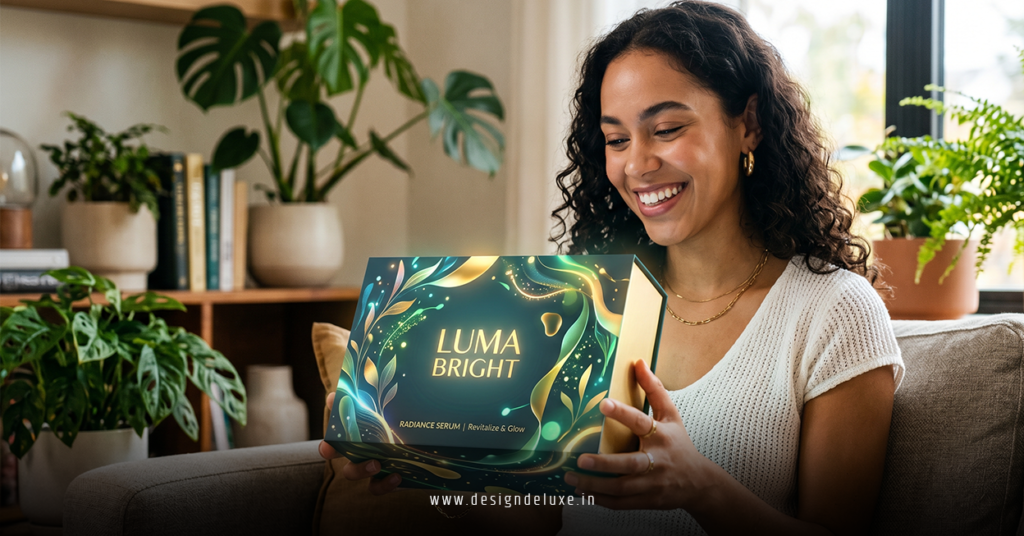
Step-by-Step: How to Launch Your Own Custom Brand Packaging Design with Motion Graphics 2026
Beginners, breathe. You don’t need a Hollywood studio.
Step 1: Nail the brief. Define your brand personality, target unboxing moment, and one key story to tell. What emotion do you want in 8-15 seconds?
Step 2: Concept and sketch. Rough the physical design first. Then map motion triggers. Use free tools like Canva or Figma for initial mocks.
Step 3: Design the physical package. Work with printers who handle variable data and clear QR zones. Prioritize scannable surfaces and eco stocks.
Step 4: Create the motion graphics. Tools like Adobe After Effects, Blender (free), or CapCut handle most needs. Keep files light — under 5MB ideal for mobile.
Step 5: Integrate and test. Embed QR/NFC. Test across devices and lighting. Get real users to scan in-store simulations.
Step 6: Launch and measure. Track scans, video completion, social shares. Iterate fast.
What I’d do if starting today? Partner with a small motion specialist early. Their feedback saves expensive reprints.
Common Mistakes & How to Fix Them
Rookie error one: Overloading the animation. Five-second loops feel frantic. Fix: Keep it under 12 seconds. One clear message.
Mistake two: Ugly QR codes slapped on. They kill premium feel. Fix: Design them as pattern elements — geometric, brand-colored, or camouflaged.
Mistake three: No mobile testing. What looks great on desktop chokes on older phones. Fix: Test on $100 Androids too.
Mistake four: Ignoring accessibility. Tiny text in motion or poor contrast. Fix: Add captions, audio options, and clear calls-to-action.
Mistake five: Treating it as one-off. Motion should evolve with campaigns. Fix: Build a content library for seasonal swaps.
Tools and Tech Making It Accessible in 2026
No need for massive budgets anymore. Figma + After Effects covers 80% of projects. WebAR platforms like 8th Wall or Zappar remove app barriers.
Printers now integrate digital layers seamlessly. Look for partners experienced with connected packaging.
For deeper dives on AR implementation, check resources from Blippar’s case studies. For sustainable material specs, the Sustainable Packaging Coalition offers practical guides. And Packaging World keeps tabs on tech integrations.
Measuring Success Beyond Pretty Animations
Track scan rates, time-on-experience, conversion to site, and UGC volume. Tools like Google Analytics with UTM parameters plus platform dashboards give the full picture.
The real win shows in brand sentiment and loyalty metrics. When packaging becomes part of the product story, retention climbs.
Key Takeaways
- Custom brand packaging design with motion graphics 2026 turns passive unboxing into active brand theater.
- Start simple: strong physical design plus one tight motion sequence.
- QR and WebAR lower the barrier — no apps needed.
- Prioritize authenticity over flashy effects.
- Test relentlessly on real devices and users.
- Budget for iteration; the first version rarely nails it.
- Sustainability and motion can coexist beautifully.
- Data from scans fuels smarter future campaigns.
Custom brand packaging design with motion graphics 2026 isn’t about chasing trends. It’s about meeting customers where they are — phone in hand, curiosity high — and giving them something worth sharing. Nail the physical first, layer smart motion second, and watch your brand move from shelf to story.
Ready to get started? Audit your current packaging this week. Sketch one motion idea that reinforces your core promise. The brands winning in 2026 aren’t the loudest. They’re the ones that feel alive.
FAQs
How much does custom brand packaging design with motion graphics 2026 typically cost for small brands?
Expect $3k–$15k for initial design and production runs of 500–5k units, depending on complexity. Motion assets add $1k–$4k but amortize across campaigns. Prices dropped as tools matured.
Can small businesses compete with big brands using custom brand packaging design with motion graphics 2026?
Absolutely. WebAR levels the field. Focus on authentic stories rather than production value. Many indie brands out-engage giants through genuine personality in their animations.
What technical skills do I need for custom brand packaging design with motion graphics 2026?
Basic design sense plus free tools get you far. Outsource complex 3D if needed. The biggest skill? Understanding your customer’s unboxing moment and building from there.