ProductionDESIGN
Product Development Process is the step-by-step path that takes an idea from a rough sketch in your notebook to something customers can actually buy and use. Many entrepreneurs jump straight into building or buying inventory, only to discover later that the product misses the mark. Taking the time to follow a clear product development process saves money, reduces risk, and helps you create something people genuinely want.
In this article, we’re going to be taking a look at the product development process, and how you can use it to move from idea to launch with fewer costly surprises. If you would like to find out more, feel free to read on.
Pic – CC0 License
Understanding the Product Development Process
The product development process is simply a series of stages that turn a concept into a finished offer. It works for physical products, digital tools, and even service packages. You do not need a large team or expensive software to follow it. What matters is moving through each stage with purpose and checking your assumptions along the way.
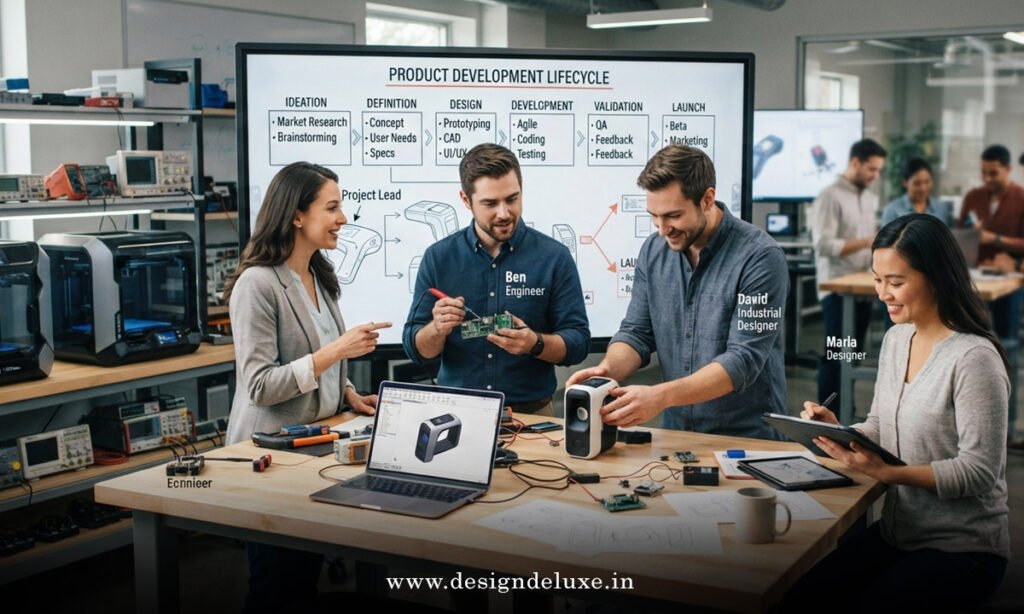
Most versions of the process include discovery, design, prototyping, testing, launch, and improvement. Skipping stages or rushing them usually creates problems that surface after money has already been spent. A structured approach keeps those problems smaller and easier to fix.
Starting with Discovery and Research
Begin by clarifying the problem you want to solve. Talk to potential customers. Ask what frustrates them today and what a better solution would look like. Simple conversations or short surveys often reveal more than long market reports.
Look at existing options in the market. Note what works well and where gaps remain. This stage is not about proving your idea is perfect. It is about learning enough to decide whether the idea is worth pursuing. Many founders skip this step and later wonder why sales feel slow. Early research reduces that risk.
Design and the Role of Behind the Design
Once you understand the problem, move into design. This is where the look, feel, function, and user experience take shape. The decisions made here affect everything that follows—manufacturing costs, packaging, website experience, and customer support load.
This is also where the thinking we explored in Behind the Design becomes especially useful. Looking closely at the choices behind every feature, material, or interface helps you avoid products that look good in theory but frustrate people in practice. Clear design decisions early on make the later stages of the product development process smoother and less expensive.
Sketch ideas, create simple mock-ups, and share them with a few trusted users. Adjust based on what you hear. Keep the focus on solving the core problem rather than adding every possible feature.
Prototyping and Testing
Build a basic version of the product that people can touch, click, or use. For physical goods this might be a 3D-printed model or a handmade sample. For digital products it could be a clickable wireframe or a limited beta version.
Put the prototype in front of real users and watch what happens. Note where they struggle, what they ignore, and what they praise. Use that feedback to improve the next version. Repeat the cycle until the product solves the main problem without major friction.
Testing does not need to be formal or expensive. Five honest users and a notebook can reveal most of the issues that would otherwise appear after launch.
Preparing for Launch
When the product feels solid, plan the practical side of bringing it to market. Finalise suppliers or development partners, set pricing, prepare packaging or digital delivery, and decide how customers will find and buy it.
Create simple systems for handling orders, questions, and returns. A smooth launch experience builds confidence. A messy one creates early negative feedback that is hard to shake.
At this stage, revisit the design decisions one more time. Small refinements to instructions, packaging, or onboarding can make a noticeable difference in how customers feel on day one.
After Launch: Learning and Improving
The product development process does not end at launch. Collect feedback, track returns or support tickets, and watch how people actually use the product. Use those insights to plan updates or the next version.
Treat each launch as a learning loop. What worked? What created friction? What would you do differently next time? Over successive products this habit compounds and makes every future development cycle faster and more confident.
Common Pitfalls to Watch For
One frequent mistake is falling in love with the original idea and resisting changes suggested by user feedback. Another is adding too many features because they seem impressive rather than useful. Both slow progress and raise costs.
A third pitfall is treating design as a late-stage polish instead of an early decision. When design thinking sits at the centre of the product development process, fewer expensive corrections appear later.
Finally, some founders move too slowly, seeking perfect information before taking any step. Progress comes from informed action followed by learning, not from endless planning.
Making the Process Work for Your Business
Keep the stages simple and visible. Write them down and share them with anyone involved. Review progress regularly and adjust timelines when new information appears.
You can adapt the process to your size and budget. A solo founder in Singapore or a small team in the UK can run a lightweight version that still covers the essential steps. The goal is not rigid bureaucracy. It is clear thinking and steady movement from idea to something customers value.
Resources on structured innovation from organisations such as IDEO and practical product guidance from Harvard Business Review can offer useful frameworks you can tailor to your own situation.
We hope that you have found this article enlightening in some way and that the steps in the product development process feel more approachable. Pairing a clear process with thoughtful attention to design choices gives your ideas a stronger chance of succeeding in the market. Start with one small idea, move through the stages deliberately, and let real customer feedback guide the next round of improvements.