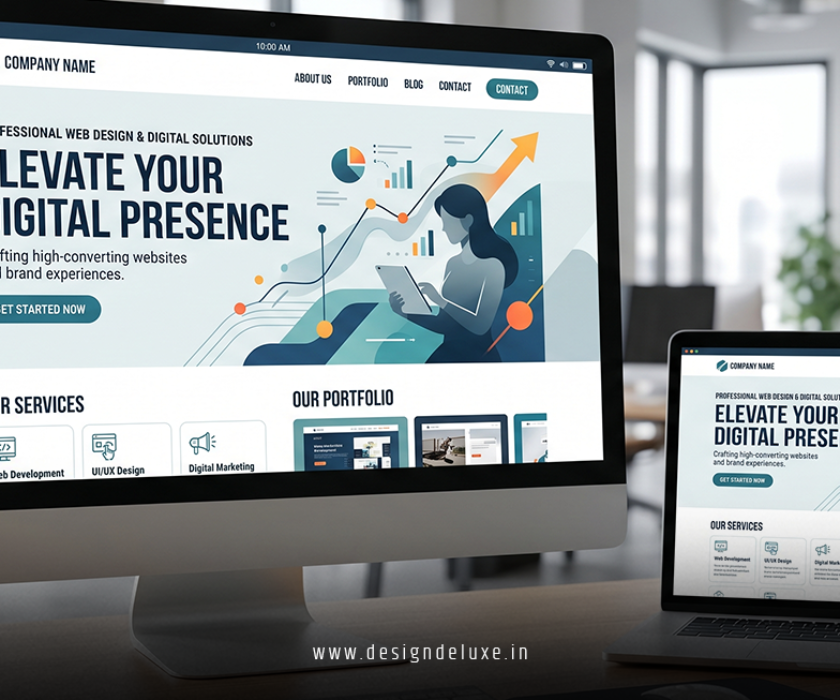
Marketing Design Guide is the practical roadmap most small business owners wish they had when their ads, website, and social posts all feel slightly off. You know the feeling. Your offer is solid, your product works, yet the visuals look pieced together from different decades. Customers notice. They scroll past. Trust drops before the first conversation even begins. Good marketing design closes that gap by making every visual touchpoint feel intentional, consistent, and professional.
In this article, we’re going to be taking a look at Marketing Design Guide, and how you can build clear, consistent visuals that support sales without needing a full design team. If you would like to find out more, feel free to read on.
Pic – CC0 License
What Marketing Design Actually Means for Your Business
Marketing design is the deliberate use of visuals, layout, colour, and type to communicate your offer and guide people toward action. It covers your logo, website, social graphics, email headers, packaging, and sales pages. When these pieces work together, customers recognise you faster and feel more confident buying.
You do not need to become a designer. You need a simple system that keeps everything aligned. Start by defining three things: your primary colours, one or two fonts, and a clear logo treatment. Use them everywhere. That single decision removes most of the inconsistency that makes a business look amateur.
Marketing Design Guide Principles That Still Matter in 2026
Strong marketing design rests on a few timeless principles. Hierarchy comes first. Make the most important message the largest and highest on the page. Contrast follows. Dark text on light backgrounds, or the reverse, keeps reading easy on every device. White space is not empty space. It gives the eye room to rest and makes your key points stand out.
Alignment and proximity also matter. Group related items together and line them up. Random placement creates visual noise that quietly pushes people away. Finally, keep the design simple. Busy layouts with too many fonts, colours, or effects usually lower conversion rather than raise it. These principles apply whether you sell services in Singapore, products in the UK, or consulting in Dubai.
For deeper reading on how people actually scan pages, the research from the Nielsen Norman Group remains useful: how users read on the web.
Building Brand Consistency Across Channels
Your brand lives in the details customers see repeatedly. A Marketing Design Guide helps you lock those details down so every new graphic feels like it belongs to the same company. Create a one-page reference that shows your logo versions, colour codes, font names, and a few example layouts. Share it with anyone who creates content for you, including freelancers or staff.
Apply the same rules to social media, your website, and paid ads. When a prospect sees your Instagram post and then lands on your site, the visual connection should feel immediate. That recognition reduces friction and builds familiarity faster than any clever headline alone.
Colour psychology still plays a role, but keep it practical. Choose colours that match the emotion you want to convey and that remain readable on screens. Test them on both light and dark modes, since many users now switch between the two.

Tools That Make Marketing Design Accessible
You no longer need expensive software to produce clean work. Free and low-cost platforms handle most everyday needs. Canva remains popular because it offers templates sized for every major platform and lets you lock brand kits so colours and fonts stay consistent. Adobe Express provides similar ease with stronger export options for print.
For websites, modern builders such as Framer or Webflow give you more design control without writing code, while simpler tools like Carrd or Squarespace still deliver professional results for many service businesses. The key is choosing one system and sticking with it long enough to master the basics.
If you want structured guidance on visual hierarchy and layout, HubSpot’s design resources offer clear, practical explanations: visual hierarchy in design.
Practical Steps You Can Take This Week
Begin with an audit. Open your website, last five social posts, and any recent ads side by side. Note every place the colours, fonts, or logo treatment differ. Fix the highest-traffic items first. Update your social profile images and cover photos next, since those appear in almost every interaction.
Next, create three reusable templates: one for promotional posts, one for educational content, and one for testimonials or case studies. Keep the structure identical so production stays fast. When you need a new graphic, you simply swap the text and image rather than starting from a blank canvas.
Finally, set a simple review rule. Before anything goes live, check it against your one-page brand reference. This habit prevents drift and keeps your presence looking intentional even when you are busy.
Common Pitfalls That Undermine Good Design
Many businesses overcomplicate. They add extra fonts, drop shadows, or gradients because they think more equals better. The opposite is usually true. Clean layouts convert more reliably. Another frequent issue is ignoring mobile. Most of your traffic arrives on phones, so every design decision should look clear on a small screen first.
Inconsistent logo sizing and low-contrast text also damage trust. If people have to squint or struggle to read your offer, they leave. Keep type sizes generous and contrast high. Last, avoid chasing every trend. A design that feels timeless will outlast short-lived styles and save you from constant redesigns.
For practical colour and contrast guidance that supports accessibility, the Web Content Accessibility Guidelines remain the standard reference: WCAG contrast requirements.
We hope that you have found this article enlightening in some way and that the ideas here give you a clearer path to visuals that support your sales rather than distract from them. Start small, stay consistent, and let your design do quiet, reliable work in the background while you focus on serving customers.