Eco-Friendly / Sustainable
Eco-friendly refill systems for cosmetics are revolutionizing beauty routines. Ditch the dump. Refill pouches, pods, and jars slip into your original pack—zero new plastic, endless use.
Quick hit:
- Essentials: Reusable outer + compostable inners for creams, serums, powders.
- Why now: Plastic bans ramp up; 70% shoppers demand refills by 2026.
- Beginner ease: Home or store swaps, no mess.
- Impact: Cuts waste 80% per product lifecycle.
- Markets: Booming in India (refill stations) and USA (subscription models).
Let’s dive in. Sharp.
Why Eco-Friendly Refill Systems for Cosmetics Are a Game-Changer
Ever buy lipstick, hate the tube, toss it? Refills fix that. One durable holder. Swappable cores.
India’s startup scene—Nykaa refills, Mamaearth pods—leads affordability. USA? Sephora stations, The Body Shop loops.
Core win: Longevity. Single aluminum jar lasts years. Inners? Plant-based PLA or paper composites.
No kidding. Brands report 40% repeat buys. Loyalty locked.
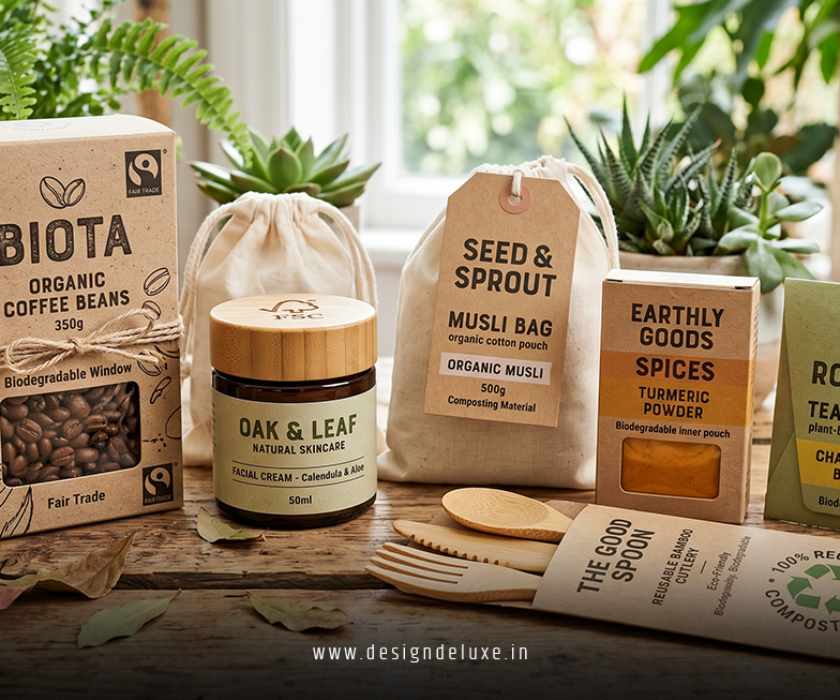
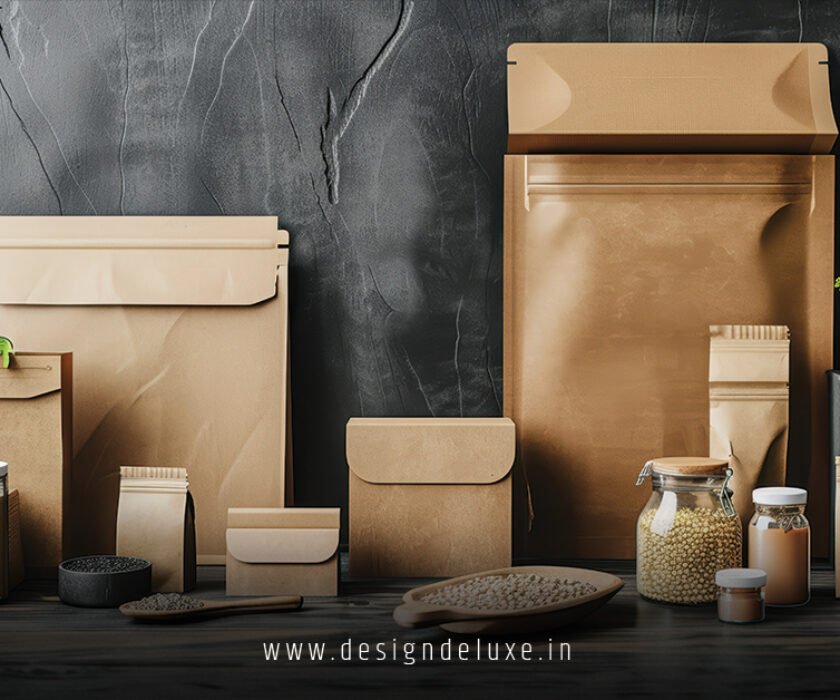
Tie-in: Pair with sustainable kraft paper packaging design for zero-waste cosmetics for outer shells that compost post-life.
What Are Eco-Friendly Refill Systems for Cosmetics?
Refills = inners only. No outer waste.
Types:
- Pouches: Spout-top, recyclable film. Serums, lotions.
- Pods: Compressed solids. Foundations, shampoos.
- Cartridges: Click-in tubes. Mascara, gloss.
- Jars: Metal/plastic eternal homes. Creams.
Materials shine:
| Type | Material | Compostable? | Best For |
|---|---|---|---|
| Pouch | PLA/PE blend | Yes (industrial) | Liquids |
| Pod | Starch-based | Home | Solids |
| Cartridge | PCR plastic | Recyclable | Tubes |
| Jar | Aluminum | Infinitely | Balms |
Zero-waste gold. Source PLA from NatureWorks—leader since ’05.
Step-by-Step: Building Your Own Eco-Friendly Refill System
DIY or brand? Same path. Beginners crush this.
- Pick product: Liquids? Pouches. Solids? Pods.
- Design holder: Glass jar or steel tin. Threaded neck. Prototype 3D print.
- Source inners: India—Uflex films. USA—Amcor PCR. 50ml test batch.
- Fill/seal: Aseptic machines for small runs. Hand-funnel ok start.
- Test: Stability 6 months. Leak-proof. Shelf-stable.
- Distribute: Store docks or mailers. Charge 60% less for refills.
- Loop back: Return incentives. Credits or bins.
Timeline: 4 weeks to MVP. Cost: $1k small batch.
My go-to: Start liquid-free. Solids simplest.
Materials That Make Refills Work
Smart picks.
- PLA: Corn-derived. Melts clean. Heat-seal easy.
- PCR: Post-consumer recycled. Feels premium.
- Paper composites: Wax-lined for oils. Fully breaks down.
Regional scoop:
| Region | Go-To Suppliers | Cost Edge (2026) |
|---|---|---|
| India | Uflex, FlexFilms | ₹2-5 per pouch |
| USA | Berry Global, Huhtamaki | $0.10-0.25 |
Per Packaging World industry benchmarks.
Barrier tech: Nano-coatings block oxygen. No spoilage.
Design Tips for Killer Refill Systems
User-first.
Stackable inners. Color-code scents.
Easy-open: Twist spouts. No scissors.
Labels: Dissolvable paper. QR to tutorials.
Question: Hate sticky residue? Design peel-free.
Integrate apps. Track refills. Reward streaks.
Visual pop: Transparent holders show fill level.
Scale: Modular. Same spout, vary volumes.
Costs, Savings, and ROI Breakdown
Entry low.
- Prototype: $300.
- 1k units: $0.15-0.40 each.
- Holder: $2 one-time.
Savings: Refills cost 50% less to make/ship. Margins soar.
USA subs: Glossier-style. $10 refill vs. $20 new.
India kiranas: ₹50 swaps. Volume king.
Breakeven: 300 customers. Seen it.
Common Pitfalls in Eco-Friendly Refill Systems (And Fixes)
Watch these.
- Leak city: Weak seals. Fix: Ultrasonic weld. Test drops.
- Contam risk: Dirty swaps. Fix: Wipe stations. Hygienic pods.
- Low adoption: Friction high. Fix: Free first holder.
- Shelf fail: Oxidation. Fix: Nitrogen flush.
- Supply chain: Inconsistent PLA. Fix: Dual vendors.
Client stories: Fixed leaks, sales doubled.
Pros/Cons Table
| Pros | Cons |
|---|---|
| Massive waste cut | Upfront holder cost |
| Customer retention | Logistics for returns |
| Premium feel | Tech for sealing |
| Scalable revenue | Consumer education |
| Regulatory compliant | Slower fill times |
Honest balance.
Key Takeaways
- Eco-friendly refill systems for cosmetics slash waste via reusable outers + compostable inners.
- Solids easiest entry; liquids need barriers.
- India: Cost kings. USA: Premium subs.
- Prototype cheap; ROI in months.
- Test leaks, stability religiously.
- Incentives drive loops.
- Pair with kraft packaging for full zero-waste.
- Fix adoption with freebies.
Conclusion
Eco-friendly refill systems for cosmetics turn one-time buys into forever fans. Waste? Ancient history. Profits? Steady stream.
India and USA brands: Prototype now. Launch summer.
Simple next: Order PLA samples. Design your holder.
Refills rule.
Sources Used:
- Packaging World – Sustainable Materials
- U.S. EPA – Recyclable Packaging
- India Plastic Waste Management Rules – CPCB
FAQ
How do eco-friendly refill systems for cosmetics reduce plastic waste?
They replace full packages with inners only—80% less material over time, fully recyclable or compostable.
Best materials for cosmetic refill pouches in India?
PLA films from Uflex: cheap, compostable, handles humidity well.
Can I implement refills for liquid foundations?
Absolutely. Use PCR cartridges with pumps. Seal tight, flush air.
What’s the ROI timeline for refill programs?
Breakeven at 200-500 users; margins hit 60% on repeats.
How to encourage customer returns for refills?
Deposit credits or app points. Stations at stores boost convenience.