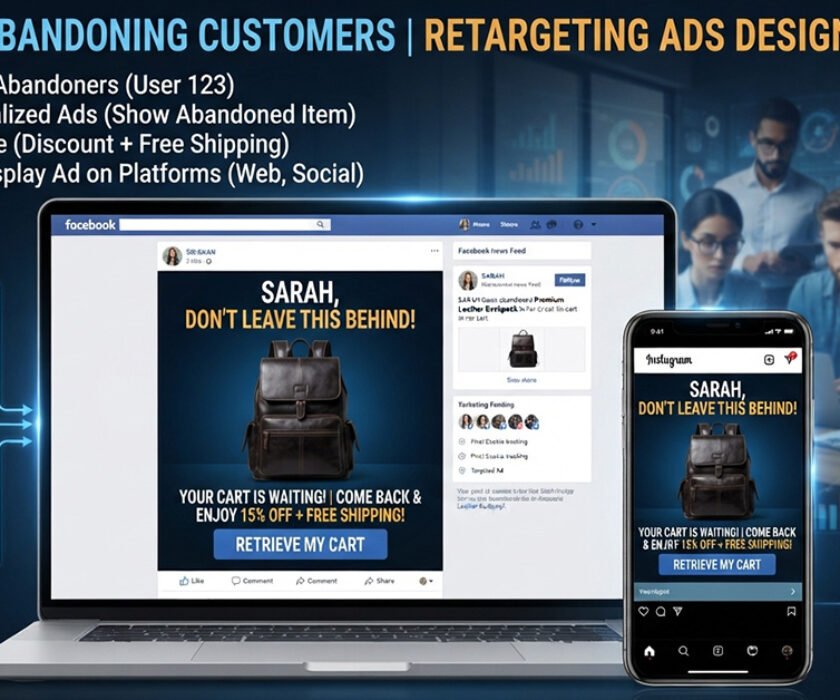
Brand PackagingAd'sDESIGNEco-Friendly / SustainableSocial Media Advertising
Custom sustainable packaging design and social media ads for small business is the sweet spot where your box, mailer, label, and ad creative all pull the same weight.
It’s not just “eco-friendly packaging” plus “a few boosted posts.” It’s a brand system that makes people notice you, trust you, and remember you.
- It helps small businesses look premium without pretending to be big.
- It cuts waste while still protecting the product and unboxing experience.
- It gives social ads a real visual hook, which matters because bland creative gets ignored fast.
- It can support repeat purchases when packaging feels worth showing off.
- It works best when packaging, offer, and ad message are planned together, not hacked together.
Here’s the thing: your packaging is often the first physical touchpoint, and your ad is often the first digital one. If they feel like two different brands, you’re leaking trust before the sale even lands.
Why custom sustainable packaging design and social media ads for small business belong in the same strategy
Most small businesses treat packaging as an operations problem and ads as a marketing problem. That split is expensive. A better move is to treat both as one conversion system.
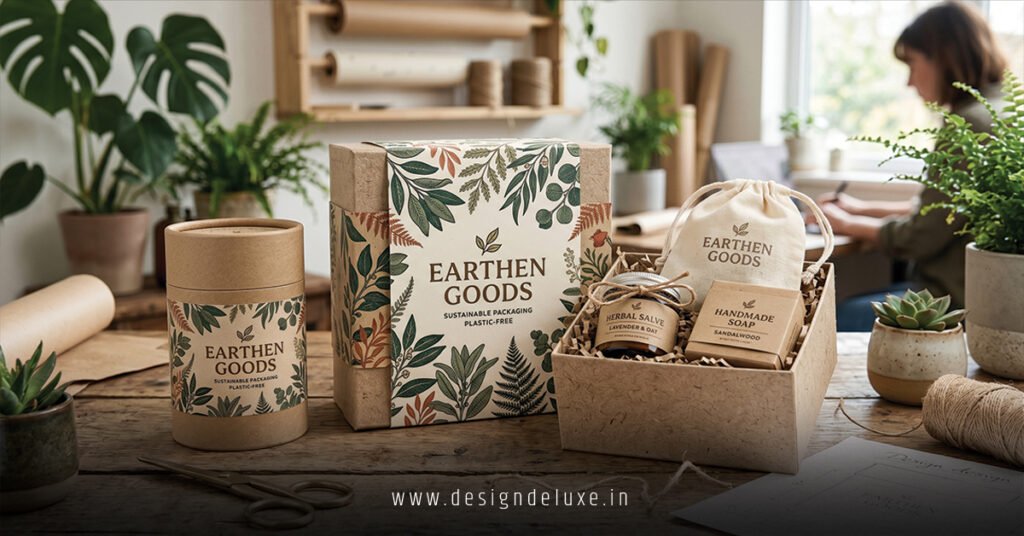
Custom sustainable packaging design for small business gives you a package that fits the product, reduces material waste, and tells a clear brand story. Social media ads then amplify that story with the same colors, textures, and message. When the experience matches the promise, customers feel like they made a smart buy.
That matters in the USA especially, where buyers are increasingly tuned in to packaging waste, shipping costs, and authenticity. The Federal Trade Commission’s Green Guides are still the guardrails for environmental marketing claims, so “eco” language has to be accurate and specific, not fuzzy or inflated. For product and packaging specs, the U.S. Environmental Protection Agency’s Sustainable Materials Management guidance is a solid reference point. For messaging, the Federal Trade Commission’s Green Guides are the reality check. And if you want to understand what eco-labels actually mean in the U.S. market, the U.S. Forest Service on certified forest products is useful context.
The kicker is simple: if your packaging feels thoughtful, your ads can say less and still sell more.
The real job of sustainable packaging
Sustainable packaging is not a vibe. It has a job to do.
It should protect the product, reduce unnecessary material, keep fulfillment efficient, and make the brand look credible. If it fails on any one of those, the “sustainable” part becomes a marketing sticker instead of a business advantage.
What usually happens is this: a founder orders pretty packaging that looks amazing in a mockup, then discovers it’s too fragile, too expensive, or too slow to assemble. That’s not a design win. That’s a margin leak.
Custom sustainable packaging design and social media ads for small business: what to prioritize first
Before you design anything, get honest about the product itself.
- Is it fragile, heavy, greasy, temperature-sensitive, or oddly shaped?
- Does it ship DTC, retail, or both?
- Will customers post the unboxing, or is the packaging mostly functional?
- Can the package be reused, recycled, or composted in your customer’s real-world location?
That last part matters. “Sustainable” only means something if the customer can actually han
dle the material where they live. If the end-of-life path is confusing, the message gets muddy.
A practical table: packaging choices vs. marketing payoff
| Packaging approach | Best for | Pros | Trade-offs | Social ad angle |
|---|---|---|---|---|
| Recycled cardboard mailer | Light to medium products | Widely recyclable, sturdy, easy to brand | Can look plain if not designed well | Clean unboxing shots, texture close-ups, “less waste” message |
| Paper-based custom box | Premium DTC products | Strong brand presence, good print surface | Higher cost than basic mailers | Premium visuals, giftable positioning, UGC-friendly reveal moments |
| Minimal filler + right-sized packaging | Brands chasing efficiency | Lower shipping waste, better cost control | Needs accurate sizing and fulfillment discipline | “Less filler, less waste” hooks, logistics transparency |
| Compostable or plant-based materials | Brands with the right disposal context | Strong sustainability story | Can be pricier, and claims must be precise | Education-led ads, founder story, values-driven creative |
How social media ads should support the packaging, not fight it
If your ad creative is loud, generic, or off-brand, it can undo the trust your packaging built.
Social ads for small business work best when they show the actual product, the actual package, and the actual experience. People do not need cinematic fluff. They need proof. A real hand opening the box. A label close-up. A clean product reveal. A fast visual of “less waste, better fit, better brand.”
Think of packaging and ads like a handshake and a conversation. The packaging is the handshake. The ad is the first few sentences. If either one feels fake, the whole thing gets awkward.
Custom sustainable packaging design and social media ads for small business: the message match rule
Your ad message should mirror what the package proves.
- If the packaging is minimal, the ad should feel clean and efficient.
- If the packaging is premium, the ad should lean into craftsmanship and care.
- If the packaging is reusable, the ad should show second-life use.
- If the packaging uses recycled materials, the ad should explain that in plain English.
Do not overclaim. Do not write “zero waste” unless you can back it up with a real system. Keep the language concrete. Recycled content. Right-sized shipping. Plastic-free where applicable. Recyclable in curbside systems when available. That kind of wording is safer and stronger.
Step-by-step action plan for beginners
Start with the product and shipping reality
List the product’s size, fragility, and fulfillment needs. Then decide what the packaging must protect and what it can safely eliminate.
Pick one sustainability angle
Do not try to do everything at once. Choose one credible lane: recycled paper, right-sized packaging, reusable design, or reduced filler.
Build the package around the ad story
Design the box or mailer so one clear visual idea can carry across your website, product photos, and social ads. Repetition builds memory.
Create one core unboxing moment
A strong unboxing moment can be simple: a printed message inside the lid, a branded insert, or a neat product reveal. Keep it real. Keep it useful.
Shoot ads from the real package
Use natural light, handheld clips, and close-ups of material, texture, and product fit. For beginners, a phone and good framing beat expensive overproduction.
Test one offer, one angle, one audience
Run a small test. Maybe the angle is “less waste, better presentation.” Maybe it is “premium unboxing without the excess.” Don’t test ten things at once.
Measure what actually matters
Watch click-through rate, conversion rate, return rate, and whether customers mention packaging in reviews or messages. That feedback is gold.
Cost and decision reality for small businesse
Most small businesses do not need the fanciest packaging. They need packaging that is smart, repeatable, and aligned with the offer.
A simple way to think about it: spend enough to protect the product and support the brand, then stop. If the packaging costs more than the value it creates, it’s not a strategy. It’s decoration.
The same goes for ads. If your ad spend is promoting a weak unboxing experience, you’re scaling a mismatch. If your package looks thoughtful and your ads show that clearly, you’re turning fulfillment into marketing. That is a much better game.
Common mistakes and how to fix them
Overclaiming sustainability
If the packaging is “eco-friendly” but you cannot explain why, stop. Replace vague claims with specific facts like recycled content, material type, or design choices that reduce waste.
Designing for aesthetics only
Pretty packaging that fails in shipping is a bad deal. Test drop resistance, size fit, and assembly time before ordering a full run.
Ignoring fulfillment speed
A package that takes forever to assemble will chew up labor. Simplify folds, inserts, and sealing steps wherever possible.
Running generic ads
Stock-looking ads do not make packaging matter. Show the actual package in use. Show the product arriving. Show the difference.
Using different brand voices across channels
If your packaging sounds calm and premium but your ads sound hypey and cheap, customers feel the disconnect. Keep the voice consistent.
What I’d do if I were starting from zero
I’d choose one product, one packaging format, and one clear ad message. Then I’d build the entire customer-facing experience around that single promise.
For example, if you sell candles, I’d use a sturdy recycled mailer or box, a simple insert that explains the material choice, and social ads that show the unboxing plus the scent payoff. No clutter. No overexplaining. Just a tight story customers can understand in seconds.
That’s usually where the wins are.
Custom sustainable packaging design and social media ads for small business: the smartest way to think about ROI
The real ROI is not just lower waste or prettier boxes. It’s lower friction.
Better packaging can reduce damage, support a higher perceived value, and make ads more believable. Better ads can turn the packaging into a brand asset instead of a hidden cost. Together, they create a loop: better first impression, stronger trust, better repeat purchase odds.
Why keep treating packaging as overhead when it can help sell the next order?
Key Takeaways
- Custom sustainable packaging design and social media ads for small business work best as one connected system.
- Sustainable packaging should protect the product, reduce waste, and support a clear brand story.
- Social ads should show the real packaging, not generic creative.
- Avoid vague green claims. Be specific and accurate.
- Beginners should start with one product, one packaging format, and one message.
- Right-sized packaging often beats flashy packaging on both cost and credibility.
- Fulfillment speed matters as much as design.
- The best setup makes the package part of the marketing, not a separate expense.
If you want more sales without bloating waste or confusing buyers, start by tightening the package and the ad together. That’s the move. Clean. Practical. Effective.
FAQs
What is custom sustainable packaging design and social media ads for small business really trying to solve?
It solves two problems at once: making the product feel credible and making the brand easier to trust online. The packaging handles the physical experience, while social ads carry that same story to new buyers.
How do I know if my sustainable packaging is actually worth the cost?
If it reduces damage, fits the product better, improves customer perception, or helps ads convert more efficiently, it has a business case. If it only looks good in a mockup, it probably does not.
Can small businesses in the USA use sustainability claims in social ads safely?
Yes, but the claims need to be specific and truthful. Avoid broad labels like “eco-friendly” unless you can explain exactly what makes the packaging sustainable and what standards or materials support that claim.