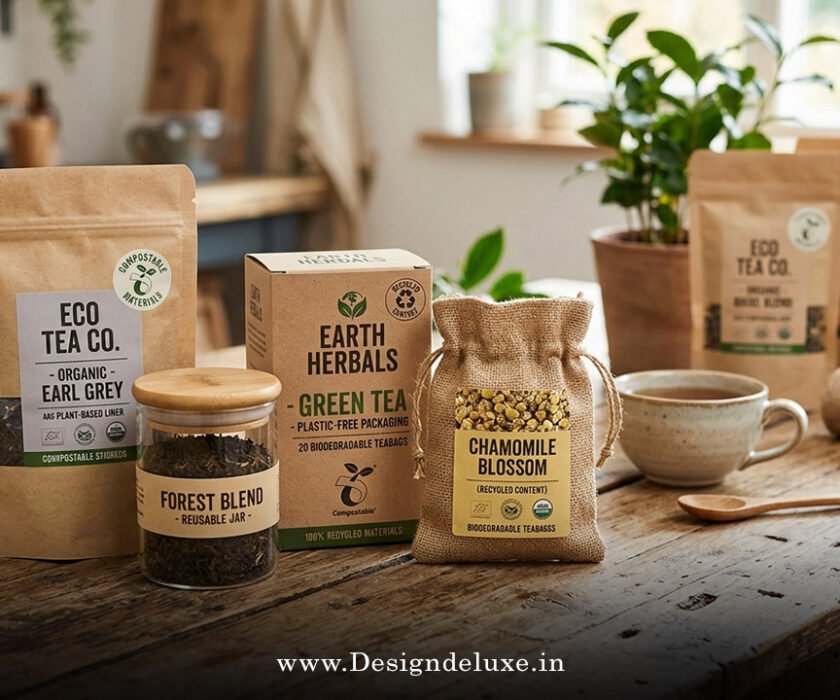
Eco-Friendly / SustainableBrand Packaging
Sustainable packaging materials are no longer a nice-to-have. They’re a profit lever, a brand signal, and—if you’re not careful—a legal and operational headache.
Done right, they cut waste, reassure customers, and make your brand look like it has its act together. Done badly, they drive up costs, confuse buyers, and turn “green” into hollow marketing.
This guide walks through the main sustainable packaging materials, where each one makes sense, and how to avoid the classic traps small and midsize brands hit when they switch.
And if you want to connect your materials strategy with performance marketing, you’ll want to tie this into your broader Custom sustainable packaging design and social media ads for small business plan so every box and every ad are telling the same story.
What “sustainable packaging materials” actually means
There’s a lot of noise around “eco”, “green”, and “planet-friendly.” Most of it is vague. That’s dangerous in the U.S., where misleading environmental claims can get flagged under the FTC’s Green Guides.
In practice, sustainable packaging materials usually aim to do at least one of these:
- Use less material overall (source reduction).
- Use recycled or rapidly renewable resources.
- Be widely recyclable, compostable, or reusable in real-world systems.
- Lower total environmental impact across the life cycle (not just at one stage).
Sustainability is relative, not absolute. A “better” option is usually one that balances protection, cost, disposal, and brand fit—not a perfect halo material that doesn’t exist.
Quick comparison: common sustainable packaging materials
| Material | Best Use Cases | Pros | Limitations | Typical Sustainability Angle |
|---|---|---|---|---|
| Recycled corrugated cardboard | Shipping boxes, mailers, inserts | Widely available, curbside recyclable, strong protection | Bulky, not water-resistant, can look plain without good design | High recycled content, easy recycling |
| Kraft paper & paperboard | Retail boxes, wraps, void fill | Minimal look, widely recyclable, good print surface | Limited moisture resistance, may need extra protection | “Plastic-free”, fiber-based, recyclable |
| Molded pulp | Protective trays, inner packaging | Cushioning, often from recycled fiber, recyclable in many areas | Heavier than foam, industrial tooling costs | Recycled content, foam replacement |
| Bioplastics (PLA, etc.) | Bags, films, some containers | Can replace some fossil plastics, clear appearance | Often needs industrial composting, recycling confusion | Plant-based feedstock, potential compostability |
| Compostable mailers & films | Apparel, soft goods, some food | Reduced fossil plastic use, strong eco story | End-of-life depends on local composting access | Compostable where facilities and conditions exist |
| Glass | Food, beverage, beauty | Inert, premium feel, widely recyclable | Heavy, breakable, higher shipping impact | Recyclable, reusable, non-reactive |
| Aluminum | Cans, tubes, some bottles | Highly recyclable, retains value, lightweight | Can dent, interior linings may be needed | Closed-loop recycling, high recycled content potential |
| Reusable packaging (tins, jars, cloth bags) | Giftable items, refills, subscription products | Higher perceived value, second life keeps brand visible | Higher upfront cost, requires behavior change | Waste reduction via reuse |
Fiber-based materials: cardboard, paperboard, and kraft
If you sell anything that ships in a box, fiber-based packaging is usually your starting point.
Recycled corrugated cardboard
This is the workhorse of sustainable packaging. It’s strong, relatively light, and widely recyclable in U.S. curbside programs.
Best for:
- E‑commerce shipping boxes and mailers
- Subscription boxes
- Protective outer cartons
What to optimize:
- Recycled content: Look for a high percentage of post-consumer recycled (PCR) fiber where possible.
- Right-sizing: Avoid oversized boxes with tons of void fill; dimensional weight charges and excess material are both profit killers.
- Board grade: Don’t over-spec. Choose a grade that protects in transit without adding unnecessary weight or cost.
Kraft paper and paperboard
Uncoated kraft has that “natural” look customers associate with simplicity and less processing.
Best for:
- Branded retail cartons
- Sleeves around primary packaging
- Wraps and void fill instead of plastic air pillows
Watch out for:
- Coatings and laminations (like plastic film) that make recycling harder. If you use them, understand how that affects actual end-of-life.
Molded pulp: replacing foam and plastic trays
Molded pulp uses fiber (often recycled paper) shaped into trays, inserts, or protective shells.
Why brands use it:
- Replaces EPS foam or vac-formed plastic trays
- Stackable, good for cradling fragile items
- Often recyclable or compostable, depending on additives
Good fits:
- Electronics, cosmetics sets, fragile goods with defined shapes
- Gift boxes where internal presentation matters
Key trade-offs:
- Tooling costs: custom molds require upfront investment, best justified at volume.
- Weight and size: can be bulkier than some plastics, affecting freight.
Plastics vs. “better plastics”: where they still fit
Completely eliminating plastic isn’t realistic for many products—especially in food, household, and personal care. The smarter play is moving toward “better” plastics and eliminating unnecessary plastic.
Recycled plastics (rPET, etc.)
Pros:
- Reduces dependence on virgin fossil resources
- Often compatible with existing recycling streams
- Clear bottles and containers can still look premium
Cons:
- Supply can be tight
- Costs can be higher than virgin in certain markets
- Color limitations at high recycled percentages
Bioplastics and compostable films
You’ll see these used in films, liners, and mailers. Many are based on plant-derived feedstocks.
Pros:
- Reduce fossil inputs
- Can support a compostability angle under specific conditions
Cons:
- Some require industrial composting, not backyard
- Can contaminate recycling if not clearly separated
- Consumer confusion is common: “Is this recyclable? Trash? Compost?”
Bottom line: If you use bioplastics, clearly communicate correct disposal and make sure your claims line up with recognized standards and the facilities your customers actually have access to.
Compostable packaging: powerful but easy to misuse
“Compostable” sounds great. Execution is trickier.
When compostable makes sense
- Your customer base actually has access to industrial composting, or you design for home compostability and verify it.
- The product and packaging align—e.g., food scraps and compostable containers going to the same compost stream.
- You’re prepared to educate clearly in your copy, pack inserts, and, ideally, your Custom sustainable packaging design and social media ads for small business campaign to reduce confusion.
When it backfires
- No local composting infrastructure. The material ends up in trash anyway.
- Labels are vague, like “eco mailer,” without explaining how it should be disposed of.
- Claims suggest composting benefits that can’t be achieved in a typical household bin.
Used correctly, compostable materials can support a strong story. Used loosely, they slide into greenwashing territory quickly.
Metals and glass: durable and recyclable options
Glass
Glass is inert, looks premium, and is widely recyclable in many U.S. regions.
Best for:
- Food and beverage
- Skincare and fragrance
- Products where purity and non-reactivity matter
Trade-offs:
- Heavier, which can increase shipping emissions and costs
- Breakage risk if outer packaging isn’t dialed in
Aluminum
Aluminum is one of the most valuable materials in the recycling stream.
Best for:
- Cans, tubes, solid deodorants or balms, some bottles
- Products where a modern, minimal aesthetic works
Advantages:
- Highly recyclable, often with high recycled content
- Light relative to glass
These materials shine when you combine them with thoughtful outer packaging and clear messaging about recyclability.
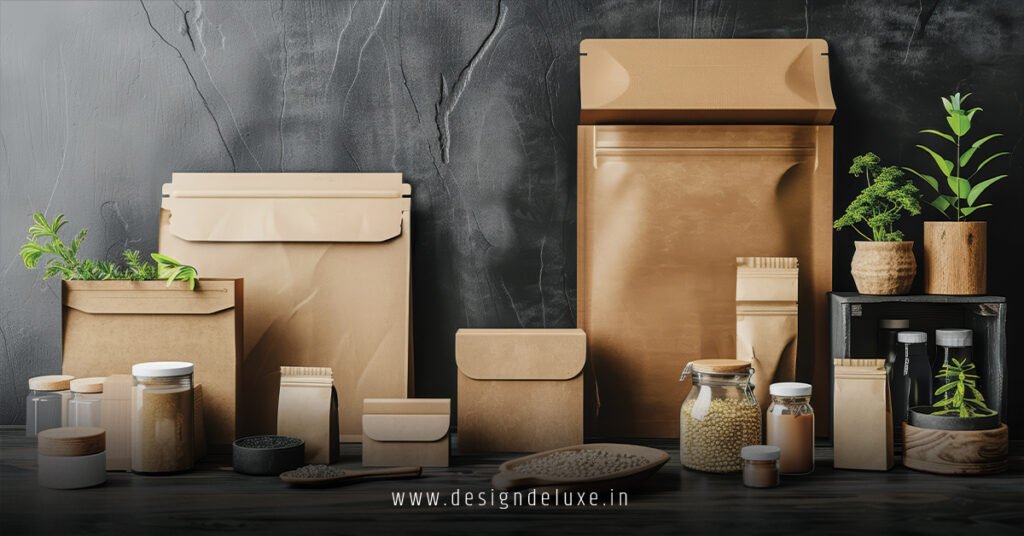
Reusable packaging: when is it actually sustainable?
A reusable tin, jar, or bag only delivers a sustainability benefit if it actually gets reused enough times to offset its higher production impact.
Strong use cases:
- Refill programs
- Products that naturally encourage reuse (coffee tins, spice jars, storage containers)
- Brands that build “second life” into content and instructions
To make it work:
- Design for durability and ease of cleaning.
- Provide clear suggestions and visuals for reuse.
- Tie reuse into your loyalty or retention strategy.
How to pick the right sustainable packaging material for your product
Here’s a simple filter that works well in practice.
- Start with protection and compliance
If the product arrives damaged, nothing else matters. Meet regulatory and safety requirements first (especially for food, cosmetics, and pharmaceuticals). - Map your shipping and retail channels
- DTC e‑commerce usually prioritizes weight and dimensional efficiency.
- Retail may need shelf impact and tamper-evidence.
- Wholesale might require more robust outer cartons.
- Assess what your customers can realistically do at end-of-life
- Are curbside recycling programs common in your key markets?
- Is industrial composting accessible?
- Are your customers apartment dwellers with limited space?
- Choose one primary sustainability angle
Examples:- “High recycled content and curbside recyclable”
- “Plastic-free and right-sized”
- “Reusable tin + refill pouches”
- Run a quick cost and operations check
- Material cost per unit
- Assembly time
- Storage and freight impact
- Compatibility with existing equipment
- Align the material choice with your marketing narrative
Your packaging materials should be easy to showcase in your Custom sustainable packaging design and social media ads for small business approach: close-ups, unboxing, disposal instructions, reuse ideas.
Common mistakes with sustainable packaging materials (and how to fix them)
1. Vague or exaggerated green claims
“Eco-friendly,” “environmentally safe,” and “sustainable” by themselves are red flags.
Fix: Use specific, verifiable language like “box made with 80% recycled fiber” or “package is curbside recyclable in most U.S. communities; check your local guidelines.”
2. Choosing materials customers can’t actually dispose of correctly
If your audience doesn’t have composting access, a compostable pouch isn’t helping.
Fix: Match materials to the infrastructure your customers realistically use. When in doubt, focus on widely recyclable fiber and metals.
3. Overcomplicating the packaging system
Nested boxes, multiple layers, and mixed materials make recycling harder and costs higher.
Fix: Simplify. Aim to reduce material types and layers while maintaining protection.
4. Ignoring the unboxing and brand experience
“Plain brown everything” can feel cheap, even if it’s technically sustainable.
Fix: Use smart, minimal design—ink sparingly, internal print, or a single bold color—to keep packaging on-brand while staying material-efficient.
5. Not integrating materials into marketing
If customers don’t know what makes your packaging better, you’re leaving trust and differentiation on the table.
Fix: Build materials into your product pages, inserts, and ad creative. The story should be short, honest, and visual.
How materials plug into your wider packaging and ad strategy
Materials are the foundation, not the whole house.
Once you’ve chosen your mix—say, recycled cardboard outer boxes, molded pulp inserts, and aluminum primary packaging—you can:
- Design graphics that highlight material cues (kraft texture, minimal ink, matte finishes).
- Script your social ads to show the unboxing and disposal steps in under 10 seconds.
- Use overlays and captions that call out specifics: “Recycled box. Aluminum bottle. Curbside recyclable in most U.S. cities.”
When that’s tied into Custom sustainable packaging design and social media ads for small business, you’re no longer shouting “we’re green.” You’re showing it, clearly and repeatedly, all the way from ad impression to recycling bin.
Key Takeaways
- Sustainable packaging materials should balance protection, cost, end-of-life, and brand fit, not just “look green.”
- Fiber-based options (recycled cardboard, kraft, molded pulp) are usually the best first move for e‑commerce in the U.S.
- Bioplastics and compostable materials can work but only when matched with real disposal options and clear instructions.
- Metals and glass bring strong recyclability and premium feel, with trade-offs in weight and fragility.
- Reusable packaging is only sustainable if customers actually reuse it enough. Design and education matter.
- Simplifying materials and layers often improves sustainability and operations at the same time.
- Clear, specific claims beat vague eco language and help build trust.
- The strongest strategy ties materials directly into your visual identity and ad creative, especially through Custom sustainable packaging design and social media ads for small business.
FAQs
Which sustainable packaging material is best for small e‑commerce brands just starting out?
Most small e‑commerce brands do well starting with right-sized recycled corrugated boxes or kraft mailers, because they’re widely available, curbside recyclable in much of the U.S., and easy to customize. Once that base is set, you can layer in upgrades like molded pulp inserts or reusable components as your volumes and margins justify it.
How do sustainable packaging materials affect my shipping costs?
Materials that are lighter and better sized usually lower dimensional weight fees and reduce damage-related reships, which improves your overall shipping economics. The best setup is often a balance: strong enough to protect, compact enough to keep rate classes low, and aligned with the story you tell through your Custom sustainable packaging design and social media ads for small business strategy.
Are compostable mailers really better than recycled poly mailers?
It depends on your customers and infrastructure. If your audience has access to appropriate composting and understands how to handle the mailer, compostable can support a strong waste-reduction story. If they do not, high-recycled-content poly mailers or paper-based options that fit into existing recycling systems may actually perform better in real-world conditions.