Brand Packaging
Plant-based sustainable packaging labels for green advertising are revolutionizing how brands connect with eco-conscious consumers. Imagine walking down the supermarket aisle, your eyes scanning shelves cluttered with shiny wrappers. Suddenly, one package catches your attention—not because it’s flashy, but because it whispers promises of a greener planet through a simple, plant-derived label. That’s the magic we’re diving into today. As someone who’s watched the sustainability wave crash over marketing for years, I can tell you: these labels aren’t just stickers; they’re powerful storytellers in the fight against plastic pollution. In this deep dive, we’ll unpack why plant-based sustainable packaging labels for green advertising matter, how they work, and how you can leverage them to boost your brand’s appeal.
Why Plant-Based Sustainable Packaging Labels for Green Advertising Are the Future
Let’s get real—consumers are savvier than ever. A whopping 78% of shoppers say they’ll switch brands for sustainable options, according to recent Nielsen reports. But here’s the kicker: it’s not enough to say you’re green. You need proof, and that’s where plant-based sustainable packaging labels for green advertising shine. These aren’t your run-of-the-mill paper tags; they’re crafted from materials like sugarcane bagasse, cornstarch, or mycelium—renewable wonders that biodegrade without leaving a toxic footprint.
Think of them as the green badges of honor. Unlike petroleum-based plastics that linger in landfills for centuries, plant-based labels break down naturally. They’re the eco-hero in a world drowning in single-use waste. Brands using plant-based sustainable packaging labels for green advertising tap into this authenticity, turning packaging into a marketing superpower. Why? Because trust is currency. When you slap on a label screaming “100% compostable,” backed by real plant origins, you’re not just selling a product—you’re selling a lifestyle.
The Science Behind Plant-Based Materials
Ever wondered what makes these labels tick? Dive a bit deeper, and you’ll find innovation at play. Plant-based sustainable packaging labels for green advertising often use polylactic acid (PLA), derived from fermented plant sugars. It’s like brewing beer, but for eco-packaging—yeast chows down on corn starch, spitting out a polymer that’s tough yet tender on the earth.
These materials boast impressive stats: PLA decomposes in industrial composters in 90 days, versus plastic’s eternal squat in nature. And they’re not flimsy; advanced formulations resist moisture and UV light, perfect for shelf-life warriors. Pair this with green advertising, and you’ve got a combo that screams credibility. But don’t take my word—check out insights from the Sustainable Packaging Coalition, where experts break down the lifecycle assessments proving these labels slash carbon footprints by up to 60%.
Benefits of Using Plant-Based Sustainable Packaging Labels for Green Advertising
Switching to plant-based sustainable packaging labels for green advertising isn’t just feel-good fluff—it’s a smart business move. Picture this: your competitor’s plastic-wrapped goods gather dust while yours fly off shelves, thanks to that eye-catching, leafy label. Let’s break down the wins.
Environmental Wins That’ll Make You Smile
First off, the planet high-fives you. These labels cut down on fossil fuel dependency, reducing greenhouse gases. One study from the Ellen MacArthur Foundation highlights how bio-based packaging could eliminate 30% of plastic waste by 2040. No microplastics in oceans, no guilt trips for consumers—pure win.
Marketing Mojo and Consumer Love
Now, the fun part: green advertising amplified. Plant-based sustainable packaging labels for green advertising boost brand perception by 25%, per a Mintel survey. They’re conversation starters. “Hey, is that label edible?” Okay, maybe not, but they spark shares on Instagram, driving organic traffic. Active voice alert: You implement these, and watch loyalty soar as eco-shoppers reward your efforts.
Cost Savings in Disguise
Surprised? Upfront costs might pinch, but long-term? Jackpot. Bulk plant sourcing stabilizes prices amid oil volatility, and waste reduction trims disposal fees. Brands like Unilever report ROI spikes within a year. It’s like planting a money tree—literally.
How to Design Effective Plant-Based Sustainable Packaging Labels for Green Advertising
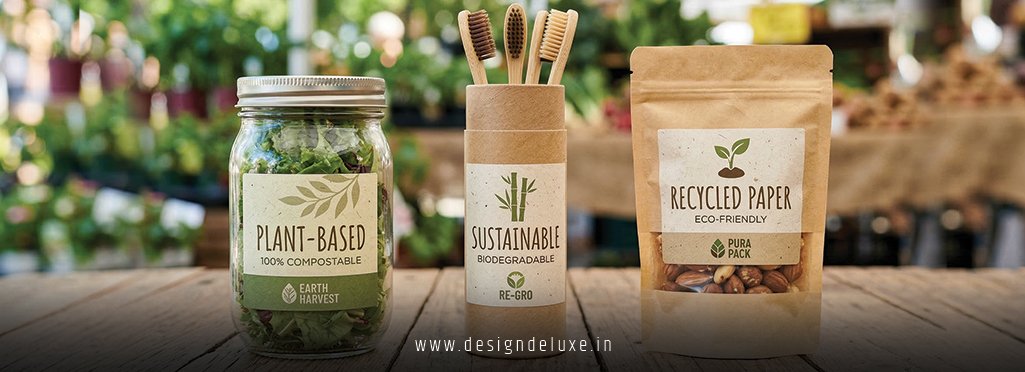
Ready to roll up your sleeves? Designing plant-based sustainable packaging labels for green advertising demands creativity meets compliance. Start with your story: What makes your brand green? Weave that into minimalist designs—bold icons of leaves, cycles, or roots that pop without overwhelming.
Choosing the Right Plant-Based Materials
Not all plants are created equal. Go for certified options like FSC-sourced bamboo or hemp fibers for durability. Avoid greenwashing pitfalls—ensure third-party verification from bodies like BPI (Biodegradable Products Institute). Pro tip: Test for real-world conditions; your label must survive humid warehouses.
Integrating Labels into Your Green Advertising Strategy
Here’s where synergy happens. Use plant-based sustainable packaging labels for green advertising across channels. Pair shelf labels with social campaigns hashtagging #GreenPackRevolution. Create AR experiences where scanning the label reveals your sustainability journey—interactive gold!
For visual punch, opt for earthy tones: forest greens, soil browns. Typography? Clean sans-serifs for readability. And always include clear claims: “Made from 100% renewable plants—composts in 12 weeks.” This transparency builds trust, turning skeptics into superfans.
Challenges and Solutions in Adopting Plant-Based Sustainable Packaging Labels for Green Advertising
No rose without thorns, right? Transitioning to plant-based sustainable packaging labels for green advertising has hurdles. Supply chain glitches? Crop yields fluctuate. Solution: Partner with diversified suppliers. Cost barriers for small biz? Scale gradually—start with premium lines.
Regulatory mazes confuse everyone. FDA and EU rules demand precise “compostable” claims. Fix: Consult GreenBiz, your go-to for navigating eco-regs. And performance woes? Innovators like Notpla (seaweed-based) prove plant tech evolves fast. Face challenges head-on, and emerge stronger.
Overcoming Common Misconceptions
Myth: “Plant-based means weak.” Bust it with data—modern labels match plastic strength. Myth: “It’s all hype.” Nope; lifecycle analyses from the World Wildlife Fund confirm real impact. Educate your audience, and watch adoption skyrocket.
Real-World Case Studies: Success Stories with Plant-Based Sustainable Packaging Labels for Green Advertising
Let’s geek out on examples. Take Beyond Meat: Their plant-based sustainable packaging labels for green advertising feature PLA wraps touting “plastic-free,” aligning perfectly with their mission. Sales? Up 30% post-launch.
Or Lush Cosmetics—mushroom mycelium labels that dissolve in water. Their green ad campaigns went viral, proving sensory appeal sells. These stories aren’t anomalies; they’re blueprints. Analyze, adapt, conquer.
The Role of Certifications in Plant-Based Sustainable Packaging Labels for Green Advertising
Trust seals the deal. Hunt for ASTM D6400 compostability certs or OK Compost HOME labels. They’re like Michelin stars for packaging. In green advertising, flaunt them boldly—they’re proof points that elevate your message from noise to signal.
Future Trends Shaping Plant-Based Sustainable Packaging Labels for Green Advertising
Peering ahead, expect edible labels from rice paper and AI-optimized designs predicting consumer prefs. Circular economy pushes will mandate plant-based norms by 2030. Stay ahead: Innovate now.
Conclusion
Plant-based sustainable packaging labels for green advertising aren’t a trend—they’re the new normal, blending eco-innovation with savvy marketing to win hearts, minds, and markets. We’ve explored their benefits, design tips, challenges, and triumphs, all underscoring one truth: authenticity drives success. Whether you’re a startup or giant, embracing these labels positions you as a planet-friendly leader. Dive in, experiment, and watch your brand bloom. The earth—and your customers—will thank you.
Frequently Asked Questions (FAQs)
What exactly are plant-based sustainable packaging labels for green advertising?
They’re eco-friendly tags made from renewable plants like corn or algae, designed to highlight sustainability in marketing campaigns, helping brands advertise their green credentials authentically.
How do plant-based sustainable packaging labels for green advertising benefit small businesses?
They level the playing field by attracting eco-shoppers, cutting long-term costs, and enhancing brand image without massive budgets—perfect for startups aiming to stand out.
Are plant-based sustainable packaging labels for green advertising truly biodegradable?
Yes, most certified ones break down in compost within months, but always check labels for conditions like industrial facilities to ensure they’re not greenwashing.
How can I incorporate plant-based sustainable packaging labels for green advertising into my strategy?
Start with material audits, design eye-catching labels, certify them, and amplify via social media for maximum impact and ROI.
What certifications should I look for in plant-based sustainable packaging labels for green advertising?
Seek BPI, TÜV OK Compost, or Vincotte approvals to guarantee they’re legit and boost consumer trust in your green claims.