Brand PackagingEco-Friendly / Sustainable
Sustainable tea packaging materials guide is your roadmap to materials that keep tea fresh, look premium, and leave a lighter footprint.
Wellness brands and herbal tea makers face growing pressure from eco-conscious buyers who want beautiful boxes without the guilt.
The good news? In 2026, smart options deliver both performance and sustainability without compromise.
Quick overview of what this means for your brand:
- Switch to materials that are recyclable, compostable, or renewable.
- Maintain aroma barriers while cutting plastic use.
- Appeal to premium buyers who pay more for ethical packaging.
- Meet tightening regulations and reduce supply chain risks.
- Boost shelf appeal and storytelling power.
This approach matters because tea lovers increasingly check the package before the blend. Get it right and you turn packaging into a silent salesperson.
Why Sustainable Materials Matter for Tea Packaging Now
Tea is sensitive. Light, moisture, and oxygen kill flavor fast. Traditional plastics worked well but now clash with consumer values.
Brands that upgrade to sustainable options report stronger loyalty and easier retail placement. Regulations like the EU’s PPWR push recyclability hard starting mid-2026.
Here’s the thing: Sustainable doesn’t mean weak anymore. Advanced fiber-based and plant-derived materials match or beat old plastics on protection.
This ties directly into premium positioning. If you’re exploring Tea box packaging design for premium herbal and wellness brands, choosing the right base materials makes your designs sing louder.
Top Sustainable Tea Packaging Materials in 2026
Here’s what actually works for loose leaf, tea bags, and gift boxes:
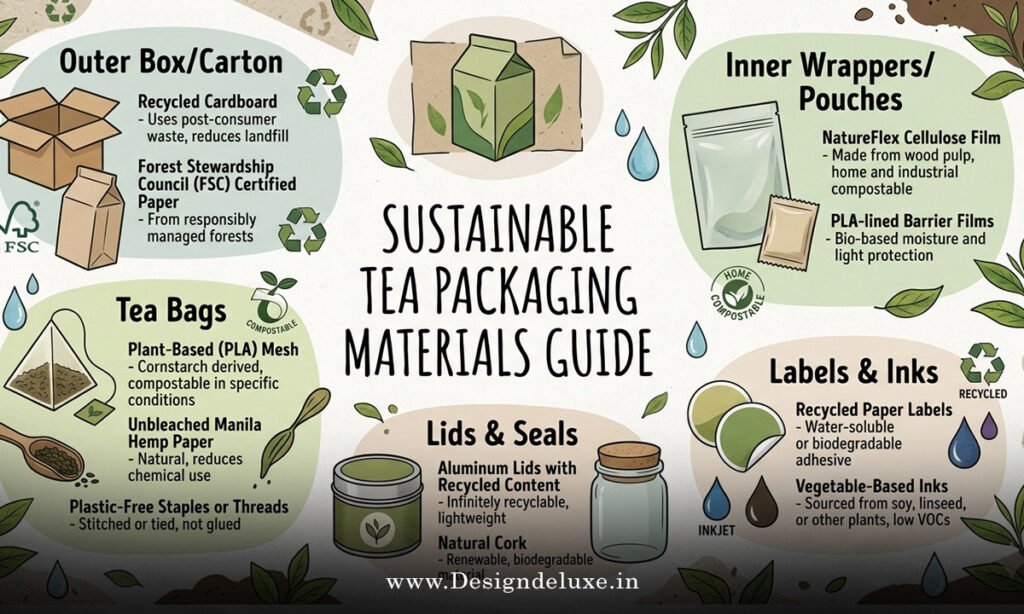
- FSC-Certified Paperboard and Kraft: Renewable, recyclable, and prints beautifully. Great for outer boxes.
- PLA (Polylactic Acid): Plant-based from corn or sugarcane. Ideal for pyramid tea bags and inner liners. Industrially compostable.
- Cellulose Films (NatureFlex): Wood-pulp derived. Home-compostable with excellent clarity and barriers.
- Molded Pulp and Bagasse: From sugarcane waste or bamboo. Perfect for protective inserts and trays.
- Recycled Content Pouches: Mono-material designs with high PCR (post-consumer recycled) content.
- Unbleached Hemp or Cotton Filters: For plastic-free tea bags.
| Material | Best Use | Compostable? | Barrier Strength | Cost Level |
|---|---|---|---|---|
| FSC Paperboard | Outer boxes & cartons | Yes (recyclable) | Good with coatings | Low-Medium |
| PLA Nonwoven | Pyramid tea bags | Industrial | Strong | Medium |
| Cellulose Film | Inner pouches | Home/Industrial | Excellent | Medium |
| Bagasse Pulp | Inserts & trays | Yes | Moderate | Low |
| Recycled Mono-Film | Stand-up pouches | Varies | Very Strong | Medium-High |
| Hemp Paper | Tea bags & tags | Home | Good | Low |
Pick materials that match your shelf life needs and target composting access.
Step-by-Step Action Plan for Switching Materials
Don’t rip everything up at once. Here’s the practical path I’d take with a wellness brand:
- Audit current packaging — Test your existing materials for freshness, cost, and end-of-life story. Identify plastic hotspots.
- Define priorities — Decide between home-compostable, recyclable, or reusable based on your customer base.
- Source samples — Work with suppliers offering FSC, PLA, and cellulose options. Request food-grade certifications.
- Test barrier performance — Run real-world storage tests for aroma retention and shelf life.
- Design for the material — Adapt your Tea box packaging design for premium herbal and wellness brands to highlight the sustainable story.
- Pilot and measure — Launch with top SKUs. Track sales, returns, and customer feedback.
- Scale with suppliers — Lock in partners who can guarantee consistent quality and volume.
Start with your hero products. The ones customers gift or repurchase.
Common Mistakes & How to Fix Them
Many brands choose “green” materials that fail in practice. Compostable films that tear easily or lose barrier properties ruin tea quality. Fix: Always test rigorously before full rollout.
Overcomplicating with multi-layer mixes kills recyclability. Stick to mono-materials where possible.
Ignoring regional composting infrastructure is another trap. A “compostable” claim means little if customers can’t actually compost it. Be transparent about requirements.
Greenwashing destroys trust fast in the wellness space. Back every claim with third-party certifications.
Finally, forgetting aesthetics. Sustainable can (and should) look luxurious. Great design turns material choices into brand assets.
Advanced Tactics for Premium Positioning
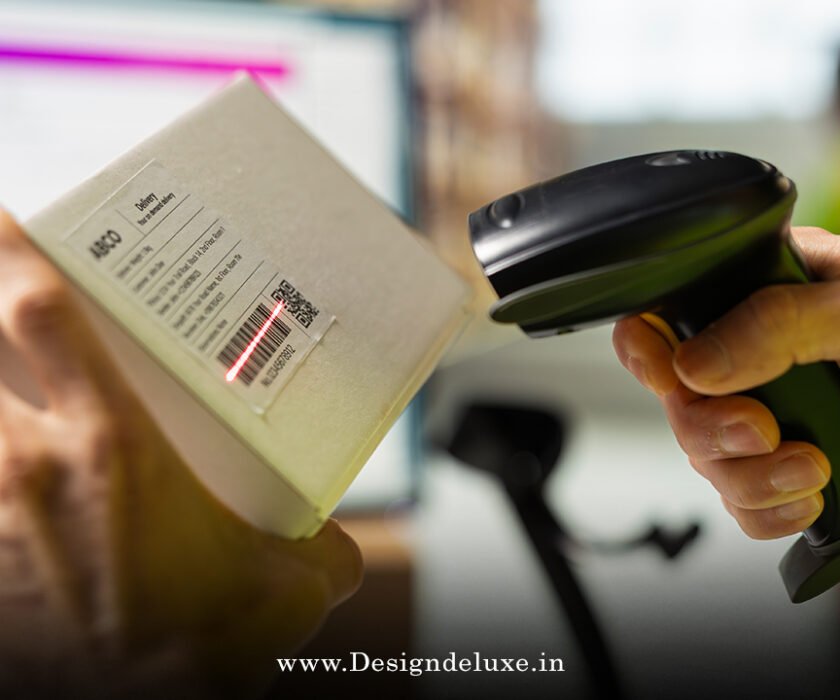
Layer in smart features like QR codes linking to your sustainability story or farm origins.
Use water-based inks and minimal embellishments for true eco-cred.
For gifting, consider refill systems or modular boxes that encourage reuse.
Ever wonder why some herbal tea brands feel genuinely premium while others feel gimmicky? The packaging tells the real story before anyone opens the box.
Combine strong materials with thoughtful Tea box packaging design for premium herbal and wellness brands — think minimalist typography, botanical illustrations, and tactile finishes.
One solid analogy: Choosing sustainable tea packaging is like selecting the perfect teapot. The material affects the entire experience, from first pour to final sip.
Key Takeaways
- Sustainable tea packaging materials guide starts with matching performance to planet-friendly options like PLA, cellulose, and FSC paper.
- Barrier protection remains non-negotiable — test everything.
- Transparency and certifications build trust with wellness buyers.
- Design and material choices work together for premium appeal.
- Start small, test thoroughly, then scale.
- Mono-materials and clear end-of-life instructions win in 2026.
- Great packaging turns one-time buyers into loyal advocates.
- Stay ahead of regulations to avoid future headaches.
The brands winning right now blend ethics with excellence. They protect the tea as carefully as the planet.
Your next step? Audit one product line this week and request material samples from two suppliers. Small moves now create big advantages later.
FAQs
What are the most sustainable materials for tea bags in 2026?
PLA from plant sources and unbleached hemp or wood-pulp filters lead the pack. They offer good performance while being industrially or home compostable depending on the exact formulation.
How do sustainable tea packaging materials affect shelf life?
High-quality options like cellulose films and properly coated paperboard maintain excellent aroma and moisture barriers when engineered correctly. Always validate with real storage testing.
How does sustainable tea packaging connect to Tea box packaging design for premium herbal and wellness brands?
The right materials give designers freedom to create beautiful, tactile boxes that reinforce premium positioning while telling an authentic sustainability story that resonates with target customers.