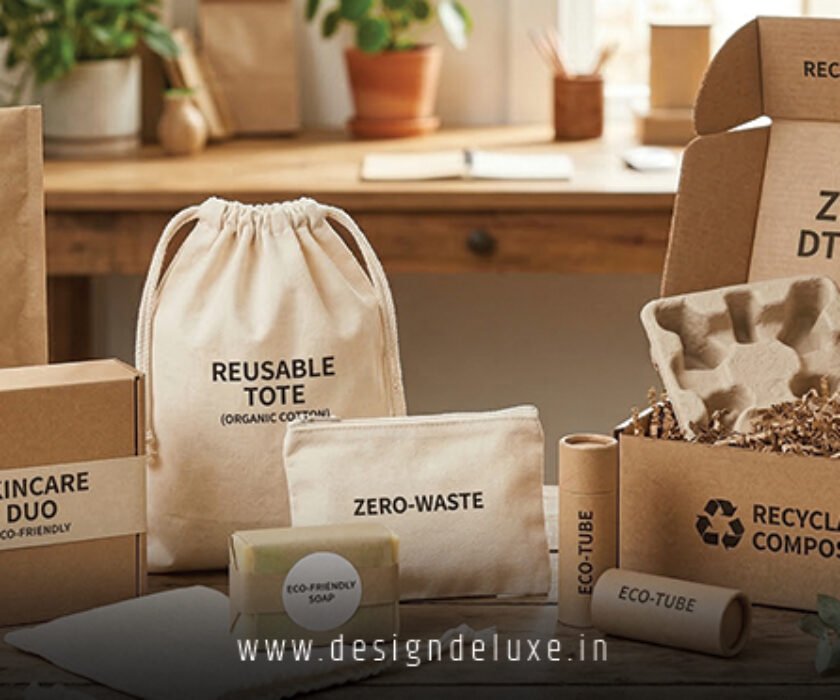
Eco-Friendly / SustainableBrand Packaging
Sustainable Packaging Materials Guide equips brands with the practical knowledge to choose smarter, greener options that perform in the real world. In 2026, the pressure is on—USA regulations, consumer expectations, and cost realities all demand materials that deliver without wrecking the planet.
- Sustainable Packaging Materials Guide breaks down recycled content, bio-based polymers, fiber solutions, and next-gen alternatives like mycelium and seaweed.
- It helps cut waste, meet EPR rules, and appeal to buyers who pay more for verified green packaging.
- Expect trade-offs in cost, durability, and end-of-life processing—smart selection balances them all.
- Pair these materials with strong visuals, and your packaging becomes powerful marketing.
The right choices turn compliance headaches into competitive advantages.
Why a Sustainable Packaging Materials Guide Matters Right Now
Brands get hit from every side. Shoppers scrutinize labels. States enforce Extended Producer Responsibility (EPR) programs. Shipping costs rise with heavier materials.
Sustainable Packaging Materials Guide levels the playing field. Paper-based solutions dominate for good reason—they’re affordable, recyclable, and familiar to consumers. Yet advanced options like PLA and mycelium open new doors for premium and protective needs.
Here’s the reality: the U.S. sustainable packaging market sits around $53 billion in 2026 and keeps climbing. Getting the materials right early saves money long-term and builds loyalty.
Core Sustainable Packaging Materials in 2026
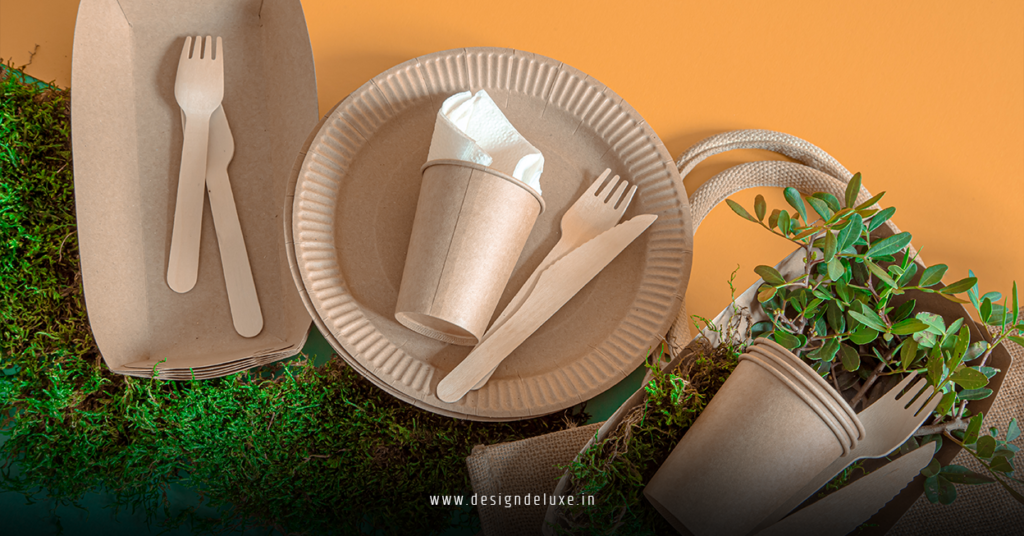
Paper and fiber lead the pack. FSC-certified options, molded pulp, and recycled cardboard offer strong sustainability credentials with solid performance.
Recycled plastics (PCR) close the loop effectively for rigid containers. Bio-based plastics like PLA from corn starch or sugarcane provide plastic-like functionality with lower impact.
Mycelium packaging grows fast as a foam replacement—lightweight, protective, and home-compostable in many cases. Seaweed and algae films deliver water-resistant barriers that break down naturally.
Key Material Categories Compared
| Material | Key Benefits | Drawbacks | Best Uses | Approx. Cost Premium |
|---|---|---|---|---|
| Recycled Paper/Fiber | Widely recyclable, low cost, FSC options | Moisture sensitivity | Mailers, boxes, inserts | Low (0-10%) |
| PLA / Bio-based Plastics | Clear, compostable, renewable | Needs industrial composting | Food packaging, films | 20-50% |
| Mycelium | Protective cushioning, biodegradable | Scalability still growing | Electronics, fragile goods | Moderate |
| Seaweed/Algae Films | Marine-safe, grease-resistant | Higher cost, supply limits | Flexible wraps, coatings | High |
| Post-Consumer Recycled (PCR) Plastic | Reduces virgin plastic use | Collection variability | Bottles, trays | 10-30% |
This table highlights practical trade-offs. Test in your supply chain before full commitment.
How to Choose the Right Materials for Your Brand
Start with your product needs. Food and beverage lean toward compostable or recyclable barriers. E-commerce favors lightweight mailers that survive transit.
Factor in infrastructure. Not every city offers industrial composting, so design for the most common recovery stream.
Verify claims rigorously. Look for certifications: FSC for paper, BPI or TÜV for compostables.
Sustainable eco packaging design with social media ads pairs perfectly here—photogenic mycelium textures or minimalist paper designs create scroll-stopping unboxing content that builds trust fast.
Step-by-Step Action Plan for Switching Materials
- Audit current usage. Track weight, cost, and waste for each package type.
- Define priorities. Rank sustainability, protection, aesthetics, and budget.
- Source samples. Work with suppliers offering small-batch testing. Request lifecycle data.
- Prototype and test. Ship real products through typical routes. Gather feedback on durability and appearance.
- Design for social. Incorporate elements that photograph well—natural textures, QR codes to impact stories.
- Launch, measure, iterate. Monitor returns, customer sentiment, and compliance.
What usually happens is brands overthink the perfect solution and delay progress. Start with one high-volume item and scale wins.
Common Mistakes & How to Fix Them
Greenwashing sinks reputations. Vague “eco” labels without proof invite backlash. Fix: Use third-party certifications and share transparent data.
Choosing materials that fail in practice wastes money. Always test for your specific use case.
Ignoring end-of-life realities dooms efforts. A compostable package in a landfill offers zero benefit—design accordingly.
Overpaying for novelty. Some mycelium solutions shine for protection but cost more than needed for simple boxes.
Advanced Considerations for Intermediate Users
Hybrid materials combine strengths—paper with seaweed coatings, for example. Explore variable data printing on sustainable substrates for personalization.
Track regional differences. California rules differ from Midwest realities. Build flexibility into your designs.
Measure full impact. Tools for lifecycle assessment help quantify real gains beyond marketing claims.
Key Takeaways
- Sustainable Packaging Materials Guide focuses on paper, recycled content, bio-based, and innovative options like mycelium.
- Balance performance, cost, and recovery infrastructure for success.
- Certifications build credibility—don’t skip them.
- Lightweighting and mono-materials simplify recycling.
- Visual appeal supports Sustainable eco packaging design with social media ads strategies.
- Test rigorously before scaling.
- Regulations reward early movers in the USA.
- Continuous iteration beats one-time perfection.
Sustainable packaging materials evolve fast, but fundamentals stay constant: reduce, renew, recover.
Pick one change this quarter. Audit a single product line and explore two alternative materials. Small moves compound into major wins.
FAQs
What are the most cost-effective options in a Sustainable Packaging Materials Guide?
Recycled paper and molded fiber deliver strong performance at minimal premium. They balance sustainability with economics for most e-commerce and retail applications.
How do mycelium and seaweed fit into modern sustainable packaging?
These next-gen materials excel for protective and flexible needs. They biodegrade naturally and create unique aesthetics perfect for standout social content.
Can small brands implement materials from a Sustainable Packaging Materials Guide without huge budgets?
Absolutely. Start with recycled mailers or FSC paper swaps. Many suppliers support low minimum orders, letting you test and scale gradually.