Brand
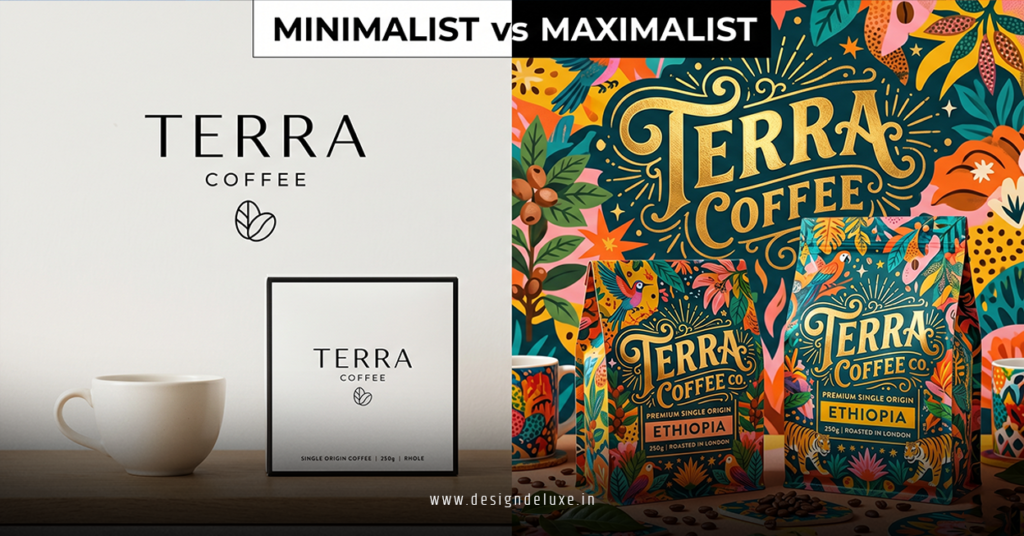
Minimalist vs Maximalist Branding defines the visual personality that either whispers elegance or shouts for attention. In a world drowning in content, choosing the right approach decides whether your brand fades into the background or owns the conversation.
This guide breaks down both styles, their strengths, and when to lean into one over the other. You’ll see real applications for websites, social media, and ads—so you can decide what actually works for your business.
Quick Overview:
- Minimalist branding strips everything to essentials: clean lines, white space, neutral palettes.
- Maximalist branding layers bold elements, rich colors, patterns, and personality-packed details.
- Why it matters now: With AI tools flooding designs, standing out requires intentional choice.
- Hybrid reality: Most successful brands blend both, using minimalist foundations with maximalist accents.
- 2026 edge: Bold typography branding package web social media ads thrive especially in maximalist strategies, delivering scroll-stopping impact without chaos.
The difference isn’t just aesthetic. It’s strategic.
Core Differences Between Minimalist and Maximalist Branding
Minimalist branding focuses on clarity and calm. Think Apple or Aesop—lots of breathing room, sans-serif fonts, and restrained imagery. It signals sophistication and trust.
Maximalist branding goes all in. Dense visuals, clashing patterns (done right), vibrant colors, and expressive type. Brands like Gucci or Glossier in certain campaigns embrace this energetic overload that feels alive and memorable.
Here’s the thing: neither is universally better. Minimalist wins for trust and usability. Maximalist wins for emotional connection and shareability.
One fresh analogy: Minimalist branding is a perfectly tailored suit—timeless and sharp. Maximalist branding is a statement jacket covered in patches—it demands you look twice and remember the story.
When to choose minimalist: E-commerce sites selling premium products, B2B services, or apps where clarity drives conversions.
When to choose maximalist: Lifestyle brands, creative agencies, fashion, or DTC products targeting younger audiences who crave personality.
Minimalist vs Maximalist Branding Comparison Table
| Aspect | Minimalist Approach | Maximalist Approach | Best Use Case | 2026 Performance Edge |
|---|---|---|---|---|
| Color Palette | Neutrals, 1-2 accents | Rich, layered, unexpected combinations | Minimal: Finance/tech | Maximal: Higher engagement on social |
| Typography | Clean, light weights | Bold, expressive, mixed fonts | Minimal: Professional sites | Maximal: Stronger ad recall |
| Visual Density | High white space, simple icons | Layered patterns, illustrations, texture | Minimal: SaaS dashboards | Maximal: Viral potential |
| User Experience | Fast load, intuitive navigation | Immersive, storytelling-driven | Minimal: Conversion-focused | Maximal: Brand storytelling |
| Production Cost | Lower, easier to maintain | Higher, needs consistent vision | Both work for small teams | Hybrids scale best |
| Audience Appeal | Broad, professional, trust-building | Niche, passionate, community-driven | Minimal: Older demographics | Maximal: Gen Z / creative crowds |
This table helps you map your goals quickly. Test both directions with mockups before full commitment.
Step-by-Step Action Plan: Choosing and Implementing Your Style
- Define your brand personality. List three words that describe your core vibe—elegant, playful, trustworthy, rebellious.
- Audit competitors. Check 5-10 players in your space. Note which style dominates and where gaps exist.
- Create mood boards. Use Pinterest or Figma. Build one minimalist version and one maximalist version of your logo, homepage, and social post.
- Test with real users. Run quick polls or heatmaps on prototypes. Ask what feels most “you.”
- Build core assets. Lock in typography, colors, and guidelines. For maximalist routes, explore Bold typography branding package web social media ads to amplify impact across platforms.
- Roll out gradually. Start with your website hero, then social templates, then full campaigns.
- Measure and iterate. Track engagement, conversion rates, and brand recall after 30 days.
What I’d do if starting fresh? Spend no more than a week on exploration. Pick the direction that feels exciting rather than safe—then commit hard.
Common Mistakes & How to Fix Them
- Copying trends blindly. A minimalist trend looks dated fast if it doesn’t fit you. Fix: Anchor every decision in your brand story.
- Maximalist chaos. Too many elements create visual noise. Fix: Establish hierarchy and repeating motifs.
- Minimalist boredom. Stripped-down becomes forgettable. Fix: Add subtle personality through micro-animations or signature details.
- Inconsistent application. Mixed signals confuse audiences. Fix: Create a simple brand style guide early.
- Ignoring audience data. Assuming your taste matches customers. Fix: Use analytics and feedback loops.
- Sticking too rigidly. Pure minimalist or maximalist rarely wins long-term. Fix: Allow hybrid evolution as your brand grows.
Catch these early and you avoid expensive redesigns down the road.
External resources worth checking:
Interaction Design Foundation on visual hierarchy – timeless principles for both styles.
Behance branding case studies – real-world inspiration across spectrums.
AIGA design thinking resources – professional guidance on strategic branding.
Key Takeaways
- Minimalist vs Maximalist Branding boils down to clarity versus emotional intensity.
- Minimalist excels at trust and usability; maximalist drives personality and virality.
- Bold typography branding package web social media ads often supercharge maximalist strategies in 2026.
- Hybrids deliver the best of both worlds for most modern brands.
- Always tie your choice to audience needs and business goals.
- Test early with real prototypes instead of guessing.
- Maintain consistency through strong guidelines.
- Revisit your direction every 12-18 months as trends shift.
Nail your positioning and every asset—from website to ads—starts working harder for you.
Ready to decide? Grab your mood board tools and map your brand against the table above. The right choice will feel obvious once you see it.
FAQs
What is the main difference between minimalist vs maximalist branding?
Minimalist prioritizes simplicity, space, and restraint while maximalist celebrates abundance, pattern, and bold expression. Choose based on your target audience’s preferences and your product category.
Can I combine minimalist vs maximalist branding successfully?
Yes—many brands use minimalist layouts with maximalist accents like statement typography or hero imagery. This hybrid approach offers flexibility and strong visual interest without overwhelming users.
Which style works better for small businesses in 2026?
It depends on your niche. Minimalist often delivers faster results for service-based businesses needing trust, while maximalist helps creative or lifestyle brands stand out in crowded social feeds.