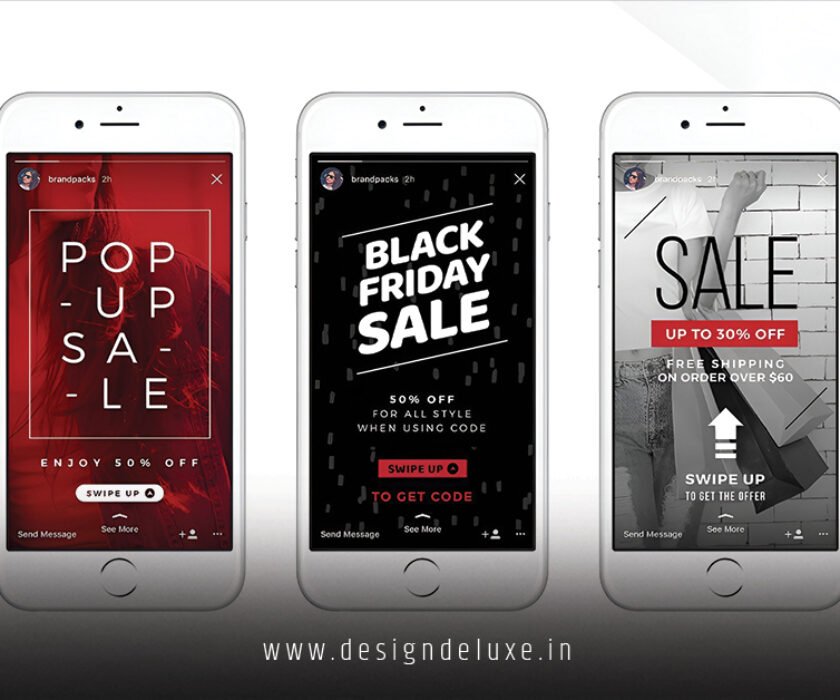
Social Media AdvertisingAd's
Facebook ads targeting strategy is the difference between “nice impressions” and profitable campaigns. You can have killer creative, sharp copy, and a strong offer—but if your targeting is off, you’re basically handing Meta money and hoping for mercy. Not a plan.
This guide walks through exactly how to structure your Facebook ads targeting strategy for 2026, how to evolve it as you scale, and how to connect it with your Instagram and Facebook ad design, motion graphics and video editing services so your ads actually convert.
Why Facebook ads targeting still matters in 2026
Yes, Facebook’s algorithm is smarter than it used to be. Yes, broad targeting works very well for a lot of accounts.
But here’s what usually happens:
- Beginners go too narrow, suffocating the algorithm.
- Intermediates go too broad, with weak signals and random results.
- They blame “Meta is dead” when the real issue is fuzzy strategy.
A smart Facebook ads targeting strategy gives the algorithm clear starting signals and then lets it optimize inside a well-defined sandbox.
Done right, targeting is less about “secret interests” and more about:
- Feeding Meta strong data signals
- Matching creative and audience
- Structuring campaigns in a way that’s easy to optimize
Core pieces of a Facebook ads targeting strategy
Think in layers, not tricks. Your strategy should cover:
- Cold audiences – People who don’t know you yet
- Warm audiences – People who have engaged but not converted
- Hot audiences – People closest to buying (retargeting and upsell)
Each layer uses different:
- Targeting types
- Bidding strategies
- Creatives (which is where your Instagram and Facebook ad design, motion graphics and video editing services come in)
Let’s break it down.
Cold audience targeting: Letting Meta find your buyers
Cold traffic is where most of your new customers come from. It’s also where most of your budget gets burned if you’re guessing.
1. Broad targeting (yes, it really works now)
In the U.S. and other mature markets, broad targeting (age + geo + sometimes gender, no interests) has become a go-to for strong accounts.
When it works:
- You have a clear conversion event (purchases, qualified leads, booked calls)
- You’ve got at least some history or data
- Your creative is sharp enough to attract the right people
This is where quality creative matters. If you’re running broad and your creative is generic, Meta struggles to learn. Pair broad targeting with highly specific, benefit-driven creatives built via Instagram and Facebook ad design, motion graphics and video editing services so your ads repel the wrong people and attract the right ones.
2. Interest-based targeting (still useful when done right)
Interests aren’t dead. They’re just not magic.
Use interest targeting when:
- You’re just starting, with little or no pixel data
- You operate in a clear niche (golf, pet owners, B2B software, fitness)
- You want to test which themes resonate
Tips:
- Stack 5–15 relevant interests in one ad set (don’t obsess over hyper-granular combos).
- Avoid making 10 tiny ad sets each with micro-interests—consolidate for better learning.
- Keep audiences large enough for delivery (often 1M+ in the U.S. for prospecting).
3. Lookalike audiences (best when you have data)
Lookalikes still have value, especially when based on high-quality events, like:
- Purchasers with high order value
- Qualified leads or booked calls
- Subscription signups with low churn
If your data is solid, setup:
- 1%–3% lookalikes for best buyers
- Test 5% or broader when you need scale
Use lookalikes alongside broad and interest ad sets, and let performance decide what sticks.
Warm and hot audiences: Where ROAS is born
Your Facebook ads targeting strategy is incomplete if you ignore people who already raised their hand.
Warm audiences (middle of funnel)
These are:
- Video viewers
- Page/Instagram engagers
- Website visitors (non-converters)
- Lead magnet downloaders
Target them with:
- Reminders and education – Why your solution is different
- UGC and social proof – Testimonials, reviews, influencer content
- Short-form videos edited specifically for Reels/Stories/Feed
Your warm audiences are where motion graphics and clever editing can carry the story: FAQ-style videos, objection handling clips, quick demos, and case snippets built by your Instagram and Facebook ad design, motion graphics and video editing services.
Hot audiences (bottom of funnel)
These are the closest to buying:
- Add-to-cart, viewed content, initiated checkout
- Lead forms opened or submitted
- Existing customers (for upsells and cross-sells)
Target them with:
- Direct, clear, offer-heavy creatives
- Time-limited promos or bonuses
- Strong CTAs: “Finish your order,” “Book your slot,” “Unlock this deal”
Here, use straightforward layouts and copy in your creative. Don’t overcomplicate. They already know you.
Matching targeting with the right creative (this is where people blow it)
Here’s the thing: Targeting and creative are not separate worlds.
You can’t run the same generic video to cold, warm, and hot audiences and expect magic.
Cold audiences: Pattern interrupts and strong hooks
For cold targeting, your creative should:
- Call out the core problem directly
- Use pattern-interrupt visuals
- Show the outcome quickly (before/after, transformation, demo)
This is exactly where professional Instagram and Facebook ad design, motion graphics and video editing services pay off. You can build multiple hooks, multiple intros, and test which angles pull strangers in fastest.
Warm audiences: Depth and trust
For warm audiences, focus on:
- FAQs and “here’s how it works” content
- Explainer videos with clean motion graphics
- Social proof: customer stories, results, ratings
Imagine your targeting strategy as the GPS and your creative as the car. A great GPS is useless if the car can’t move. A Ferrari goes nowhere without directions. You need both.
Hot audiences: Clarity and urgency
For hot retargeting:
- Simple static or short videos
- Clear offer: price, guarantee, bonus, deadline
- Minimal distractions—just help them cross the line

Step-by-step Facebook ads targeting strategy for beginners
Let’s turn this into an actual plan you can follow.
Step 1: Define your conversion and funnel
Before touching targeting:
- Decide your main conversion event: purchase, lead, booked call, trial signup.
- Ensure tracking via Meta pixel and Conversions API (check Meta’s official help center for the latest setup best practices).
- Map your funnel:
- Cold → awareness and first click
- Warm → nurture and education
- Hot → close and upsell
Step 2: Build your campaign structure
Start simple:
- 1 campaign for cold traffic (Sales or Leads objective)
- 1 campaign for retargeting (warm + hot)
Inside cold campaign:
- 1 ad set: Broad (age, geo, maybe gender)
- 1 ad set: Interest stack (5–15 relevant interests)
- Optional: 1 ad set: Lookalike (if you have enough quality data)
Inside retargeting campaign:
- 1 ad set: Warm (engagers, video viewers, website visitors 30–90 days)
- 1 ad set: Hot (add-to-cart, checkout, leads last 7–30 days)
Keep it manageable. You want enough data in each ad set for the algorithm to learn.
Step 3: Pair each ad set with tailored creatives
For each ad set:
- Cold broad: 3–5 creatives optimized for fast hooks
- Cold interest: 3–5 creatives tailored to that audience’s language
- Warm: 2–4 social proof/FAQ/educational creatives
- Hot: 2–3 offer-heavy reminder creatives
If you don’t have those creatives yet, this is the perfect time to brief your Instagram and Facebook ad design, motion graphics and video editing services partner and build assets specifically matched to each stage.
Step 4: Launch and let campaigns exit learning
Give your campaigns room to breathe:
- Avoid editing budgets or major settings in the first 3–5 days unless something is clearly broken.
- Allow each ad set to gather ~50+ conversion events if possible (Meta guidance for stable optimization).
- Watch early indicators: CTR, CPM, link clicks, 3-second views, but don’t panic over day one.
Step 5: Optimize by audience performance
After 1–2 weeks (assuming reasonable spend):
- Scale ad sets that show good cost per result and ROAS.
- Pause obvious losers.
- Identify if:
- Broad outperforms interests
- Lookalikes beat broad
- Warm or hot retargeting is under-serving (maybe your retargeting windows are too narrow)
Adjust your ad sets and budgets based on this, not hunches.
Advanced Facebook ads targeting strategy moves (for intermediates)
Once you’re comfortable, layer in a bit more sophistication.
1. Value-based lookalikes
If your data source (e.g., Shopify, your CRM) passes purchase values, build value-based lookalikes:
- Top 10–20% of customers by revenue
- Lookalikes of highest LTV cohorts
Let Meta find people who resemble your best spenders, not just any buyer.
2. Segmented retargeting by behavior
Instead of “everyone who visited the site,” build:
- View content but never added to cart
- Add to cart but never purchased
- Lead capture but never booked a call
Use creative that speaks directly to their behavior:
- “You left this behind” for ATC
- “Still deciding?” for product page viewers
- “Confirm your strategy call” for lead/form opens
3. Geographic and demographic layers (when justified)
For some offers, narrowing by:
- Specific states or cities
- Age brackets
- Gender
…makes sense, especially if your offer or creative references that demographic. Just don’t strangle the audience size to the point it can’t spend.
Common targeting mistakes & how to fix them
Everybody falls into these traps at some point.
Mistake 1: 20 micro ad sets with tiny budgets
Problem: No learning, inconsistent delivery, endless fatigue.
Fix: Consolidate. Create fewer, larger ad sets with enough daily budget to gather data.
Mistake 2: Obsessing over “secret” interests
Problem: Chasing hacks instead of fundamentals.
Fix: Use interests as themes, not magic words. Focus on creative quality and funnel structure.
Mistake 3: Ignoring warm audiences
Problem: Spending all budget on cold, barely retargeting people who actually know you.
Fix: Always allocate part of your budget to warm and hot retargeting. That’s your “profit layer.”
Mistake 4: Same creative for all audiences
Problem: Cold users get overly aggressive offers; hot users get vague awareness messaging.
Fix: Tailor creatives by funnel stage. Use high-level awareness content for cold, proof and education for warm, offers and urgency for hot. This is where a good creative partner shines.
Mistake 5: Changing too many things at once
Problem: You never know what worked or failed.
Fix: Test one main variable at a time: audience, creative concept, or offer. Keep everything else steady for a clean read.
How creative and targeting amplify each other
A strong Facebook ads targeting strategy is like a smart sniper. But without the right bullets (creative), it doesn’t matter how good your aim is.
Pair your targeting with:
- Customized creatives for each audience stage
- Platform-native videos and motion graphics that hold attention
- On-brand, high-converting static ads for retargeting and promos
If you’re already investing in Instagram and Facebook ad design, motion graphics and video editing services, push them to concept around audiences, not just “make something cool.” That shift alone can change your results.
Ask them to:
- Build 3–5 dedicated cold hooks
- Create a sequence of warm nurturing ads
- Design tight, direct hot retargeting assets with urgency and clarity
Now your targeting isn’t working alone. It’s teamed up with creative that actually speaks to where people are in the journey.
Key takeaways
- Facebook ads targeting strategy is about structuring cold, warm, and hot audiences—not hunting for secret interests.
- Broad targeting works well when you have clean tracking, a clear conversion event, and strong creative.
- Interests and lookalikes still matter, especially early on or when you have quality data to build from.
- Warm and hot audiences (retargeting) are where a lot of your profit lives—never skip them.
- Matching creative to funnel stage is non-negotiable; cold, warm, and hot each need different messages and visuals.
- Consolidating ad sets and giving the algorithm room to learn usually beats over-segmentation.
- Advanced moves like value-based lookalikes and behavioral retargeting can really scale performance once basics are dialed in.
- Working closely with Instagram and Facebook ad design, motion graphics and video editing services lets you ship enough high-quality creatives to truly test and optimize your targeting strategy.
FAQs: Facebook ads targeting strategy
1. Is broad targeting always better than interest targeting on Facebook?
Not always. Broad targeting works great when you have strong conversion data and proven creatives. If you’re new or in a very specific niche, interest-based targeting can give the algorithm better initial direction while you build up data.
2. How many ad sets should I use in my Facebook ads targeting strategy when starting out?
For most beginners, 3–5 ad sets total is plenty: a couple for cold (broad + interest or lookalike) and a couple for retargeting (warm + hot). Too many micro ad sets just fragments your budget and slows learning.
3. How do Instagram and Facebook ad design, motion graphics and video editing services affect my targeting results?
They don’t change who you target, but they dramatically impact how those audiences respond. Strong creative increases click-through rates, lowers acquisition costs, and gives the algorithm clearer signals—making your Facebook ads targeting strategy far more effective over time.