E-CommerceBrand Packaging
Ecommerce packaging inspiration isn’t just about making your box “look nice.” It’s about turning every delivery into a branded experience that feels intentional, memorable, and worth talking about.
If you already understand the basics of shipping a product safely, this is the next level: packaging that earns you screenshots, unboxing videos, and repeat orders.
Quick Wins: What Ecommerce Packaging Inspiration Actually Looks Like
Here’s the fast snapshot before we get into the weeds:
- Use packaging to tell a story, not just carry a logo.
- Combine outer packaging, inner reveal, and inserts into one cohesive experience.
- Borrow proven ideas from top DTC brands, then remix them for your niche.
- Layer in sustainability, personalization, and smart copy to stand out.
- Tie your ideas back to custom brand packaging design and box mockups for ecommerce products so you can test concepts before printing.
Why Packaging Design Is a Growth Lever, Not a Vanity Project
Think about your last memorable unboxing. Why did it stick?
Chances are, it wasn’t just the product. It was:
- How the box opened
- The surprise elements inside
- The copy that made you smile
- The feeling that the brand knew exactly who you were
That’s the job of thoughtful ecommerce packaging inspiration: to make the moment a little cinematic.
In my experience, brands that invest in packaging early tend to:
- Command higher price points
- Get more organic social shares
- Convert new customers faster with a more “put-together” perception
You don’t need a massive budget. You need intentional choices.
Core Elements of Inspiring Ecommerce Packaging
Before we get into ideas, let’s break down the building blocks you’re working with.
1. The Exterior: First Impression on the Doorstep
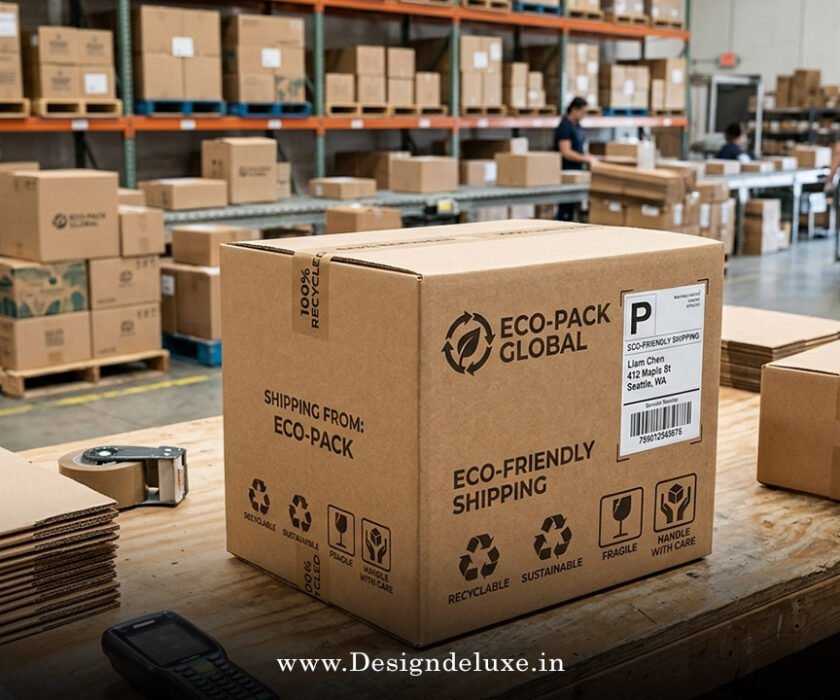
This is what the customer’s neighbor, building concierge, or office sees first.
Strong moves here include:
- Bold but simple branding on the main panel
- A short, punchy tagline that telegraphs your value
- A color that’s recognizable from across the room
- A small, on-brand pattern or icon set (not visual chaos)
If your brand leans minimalist, a clean kraft or white box with a strong logo and a single line of copy can still look premium.
2. The Interior: The “Wow” Moment
The inside is where real ecommerce packaging inspiration shows up.
Ideas that work:
- Branded tissue paper that frames the product like a reveal
- A custom insert that holds the product in place and presents it cleanly
- A pop of unexpected color or pattern inside the lid
- A welcome message that feels like a human wrote it, not a committee
The goal: opening the box should feel like a small event, not just removing shipping materials.
3. Inserts & Printed Collateral
This is where you can be strategic instead of random.
Smart insert uses:
- Quick-start guide: “How to use this in 3 steps”
- Story card: Why your brand exists, in 4–5 tight lines
- Referral or loyalty nudge: “Share this with a friend for X”
- QR code to tutorials, playlists, or a community
If you’re developing these components, it pairs well with custom brand packaging design and box mockups for ecommerce products so you can see how everything works together visually before committing to print runs.
Design Directions: Ecommerce Packaging Inspiration by Brand Personality
Struggling to “see” your packaging style? Anchor it to your brand personality.
1. Minimal & Elevated
Perfect for: skincare, home goods, tech accessories, lifestyle brands.
Key traits:
- Monochrome or near-monochrome color palettes
- Plenty of negative space
- Sharp typography, usually sans serif
- Very limited copy—every word earns its place
Inspiration moves:
- Use a solid-colored mailer with a blind-embossed or subtle logo.
- Keep the insert to one small card with a single line: “Designed for your everyday.”
2. Bold & Playful
Perfect for: snacks, apparel, youth-oriented brands, pet products.
Key traits:
- Bright color palettes
- Illustrations, doodles, or character mascots
- Conversational copy and micro copy surprises
- Fun, informal tone throughout
Inspiration moves:
- Add a pattern of hand-drawn icons related to your niche across the interior.
- Put unexpected lines on flaps: “Open for happiness” or “You’re going to like this.”
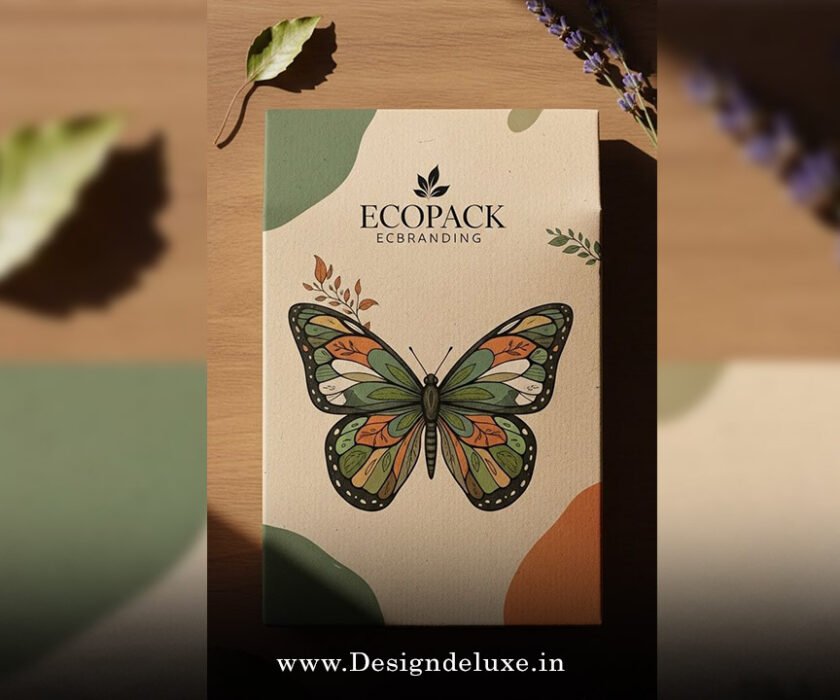
3. Natural & Eco-Focused
Perfect for: health foods, wellness, eco-friendly products, sustainable fashion.
Key traits:
- Kraft or uncoated materials
- Earth tones and soft color accents
- Clear communication about sustainability, but not preachy
- Simple structural design with minimal waste
Inspiration moves:
- Use a single-color print on kraft with a subtle pattern and small logo.
- Include a short message inside: “Reuse this box. It likes second chances.”
4. Luxe & Gift-Ready
Perfect for: jewelry, premium fashion, electronics, special editions.
Key traits:
- Rigid boxes or high-quality mailers
- Deep, rich colors (e.g., navy, forest green, black)
- Foil stamping or spot UV used sparingly
- Heavier, higher-quality paper and inserts
Inspiration moves:
- Wrap the product in a soft-touch tissue with a minimalist seal.
- Add a weighty, thick-stock card with a short note and signature.
Ecommerce Packaging Inspiration: Practical Idea Starters
Need specific sparks? Steal one of these 10 starting points and customize:
- Inside-Lid Manifesto
Put a short, bold manifesto or promise inside the lid—something that sums up your brand in 2–3 short lines. - One Big Brand Color
Choose one brand color and go all in: outer box, inner lid print, tissue, and sticker all echo that tone. - Category-Educating Inserts
Use packaging real estate to teach: explain how your product is different from convention, in plain language. - Limited-Edition Prints
Rotate artwork by collaborating with small artists in your niche. Feature them on the box or tissue for select runs. - Lay-Flat Unboxing
Design your insert and layout so when the box opens, everything is visible at once—no digging. - Micro Copy Everywhere
Add small, witty lines to edges, flaps, and inserts. Think of it like “Easter eggs” in your packaging. - Photo-First Layout
Arrange product and filler so it looks good from a top-down photo—make it easy for customers to share. - Seasonal Sleeve Over Core Box
Keep your core box consistent, but slide on a seasonal or campaign-specific sleeve when needed. - Texture Play
Use texture (matte, soft-touch, emboss, ribbed paper) to create a premium feel even if the design is simple. - Welcome Series in Print
Instead of one insert, use a short, three-card “series”: welcome, how to use, what’s next.
Using Mockups to Turn Inspiration into Reality
Inspiration is great. Execution is where things break.
Here’s where custom brand packaging design and box mockups for ecommerce products earn their keep:
- Test multiple design directions side by side (minimal vs bold vs seasonal).
- See how interior and exterior designs work together on real 3D forms.
- Plan unboxing photos and content before your first production run.
- Align your team on a clear visual direction instead of debating in the abstract.
What usually happens is this: founders brainstorm great ideas, but when they see them mocked up on an actual box, it becomes obvious which ones are keepers and which ones looked better in their heads.

Step-by-Step: Turning Pinterest-Style Inspiration into a Real Packaging Concept
Let’s move from vibe to plan.
Step 1: Define the Feeling You Want
Ask yourself:
- Should unboxing feel calming, exciting, luxurious, playful, or grounding?
- What’s the one adjective you’d love customers to use after opening: “clean,” “fun,” “premium,” “thoughtful”?
Write this down. Every decision should serve that feeling.
Step 2: Collect 10–15 Examples, Then Stop
Look at:
- DTC brand unboxings on YouTube and Instagram
- Packaging case studies on designer portfolios
- Your favorite brands outside your own category
But cap yourself. Over-inspiration leads to Franken-designs.
Step 3: Sketch the Structure Before the Artwork
Decide:
- Box type (mailer, shipper, rigid, mailer + inner wrap)
- Where the product will sit
- Where you want key messages: lid, front, side, inserts
Create rough wireframes: “Logo here, tagline here, pattern here.”
Step 4: Build 2–3 Distinct Concepts, Not 9 Variations of One
For each concept:
- Pick a color palette
- Choose font pairings
- Assign a tone of voice for copy
Drop these into your packaging design and then generate box mockups so you can see them in 3D from multiple angles.
Step 5: Run Fast Feedback Loops
Show concepts to:
- Existing customers
- People in your target audience who don’t know your brand yet
- A small, trusted group of peers
Ask pointed questions:
- “Which feels most memorable?”
- “Which looks like it would cost the most?”
- “Which would you most want to share on social?”
Don’t ask 20 questions. Ask the 3 that matter.
Common Mistakes When Chasing Ecommerce Packaging Inspiration
Let’s head off a few traps that show up over and over.
Mistake 1: Copying a Big Brand Too Closely
You’re not Apple, Glossier, or whatever DTC darling you admire. If your packaging feels “almost like” them, you look like a knockoff.
Fix:
Borrow structure or principles (minimal, bold, eco), but not exact colors, compositions, or slogans. Your niche and story should drive the final design.
Mistake 2: Putting Trends Above Clarity
Gradient overload. Hyper-quirky typography. Hard-to-read text. Trendy? Maybe. Effective? Not always.
Fix:
If readability or brand recognition suffer, scale back the trend. Ask, “Will this still work in two years?”
Mistake 3: Designing Only for the Camera
Yes, you want photogenic unboxing shots. But real people will handle this packaging.
Fix:
Check:
- Is it easy to open?
- Does it protect the product properly?
- Does it still look good when slightly scuffed during transit?
Form and function have to play nice.
Mistake 4: Ignoring Budget Reality
Fancy finishes and rigid boxes are great—until your margin disappears.
Fix:
Use high-impact, low-cost moves first:
- Strong color + clean typography
- Smart insert design
- Printed interior lid + simple exterior
- Custom tape or stickers on standard boxes
Scale into more premium structural choices as your volume and margins grow.
When to Refresh Your Packaging (Without Losing the Plot)
Inspiration doesn’t mean constant reinvention.
Good times to update:
- You’ve changed your brand positioning or pricing tier.
- Customer feedback suggests confusion or misalignment.
- You’re launching a new flagship product or repositioning.
- You’re ready to invest in a more premium, sustainable, or scalable solution.
Keep a consistent core (logo, main color, recognizable structure) while iterating on details and level of finish. That way, returning customers still recognize you instantly.
Key Takeaways
- Ecommerce packaging inspiration is about creating a memorable, on-brand experience—not just decorating boxes.
- Start with the feeling you want customers to have when they open your package, then build structure, color, and copy around that.
- Think in layers: exterior impression, interior reveal, and smart inserts working together as one story.
- Use custom brand packaging design and box mockups for ecommerce products to test ideas, avoid expensive missteps, and align your marketing visuals.
- Borrow from big brands for structure and principles, but make sure your final packaging feels uniquely yours.
- Prioritize clarity, usability, and margin before chasing every trend or expensive finish.
- Refresh packaging when your brand, audience, or positioning shifts—but keep enough consistency to stay recognizable.
Done right, your packaging becomes more than a container. It becomes a quiet salesperson in every customer’s hands.
FAQ :
Q1: What is ecommerce packaging inspiration?
Creative ideas, designs, and trends to make your product boxes, mailers, and inserts visually appealing, on-brand, and memorable for online customers. (138 chars)
Q2: Why does packaging matter for ecommerce?
Great packaging boosts unboxing excitement, strengthens brand identity, reduces returns, and turns customers into brand advocates through social sharing. (142 chars)
Q3: Where can I find fresh packaging ideas?
Look at Pinterest, Behance, Instagram (#EcommercePackaging), competitor stores, and sustainability-focused design blogs for trends and creative solutions. (148 chars)