DESIGNBrandEco-Friendly / Sustainable
Eco-friendly packaging design ideas for coffee brands start with one simple question: can this pack protect the coffee, sell the brand, and leave a lighter footprint? For coffee roasters in the USA, the best answers usually blend smart material choices, clear disposal instructions, and packaging that uses less stuff without looking cheap.greenblue+1
- Use lighter, right-sized structures so you ship air, not dead weight, because the EPA notes that lighter or more efficient materials can reduce waste when packaging is discarded.epa
- Choose packaging formats that match real recycling access, not wishful thinking, since How2Recycle’s 2025 guidelines show some coffee-adjacent formats move up or down based on current acceptance data.greenblue
- Keep branding sharp with inks, labels, and finishes that don’t sabotage recyclability.
- Make disposal obvious on the pack, because “eco-friendly” means nothing if customers guess wrong at the bin.
- Design for the shelf and the landfill route at the same time. That’s the game.
Why coffee packaging matters
Coffee packaging does a brutal job. It has to protect freshness, handle shipping, carry brand story, and survive a crowded shelf. If the structure fights the sustainability claim, shoppers notice fast.
In practice, eco-friendly packaging design ideas for coffee brands work best when they reduce material complexity. Fewer layers, fewer mixed components, fewer surprises for the customer. That’s the sweet spot.
And here’s the kicker: the cleanest-looking pack is not always the greenest one. A glossy pouch with a “recyclable” badge can still be a headache if the local recycling stream won’t take it.greenblue
Packaging options that work
Below is a practical look at common formats coffee brands use, what they’re good at, and where they can go sideways.
| Packaging option | Best for | Why it works | Watch-outs |
|---|---|---|---|
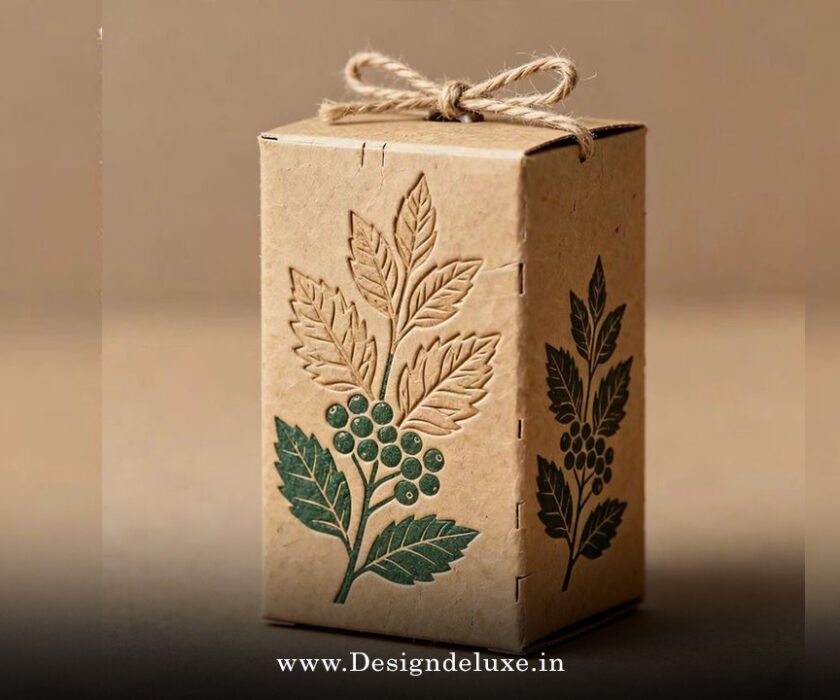
| Kraft paper boxes | Gift sets, retail sleeves, sampler packs | Simple look, easy branding, straightforward material story | Needs smart internal fit so you don’t add extra inserts or filler |
| Recyclable mono-material pouches | Whole bean and ground coffee | Lower material complexity, easier end-of-life messaging when designed correctly | Must be built for actual local acceptance, not marketing copy |
| Compostable or plant-based bags | Small-batch specialty coffee | Strong brand story for niche buyers | Needs very clear disposal instructions; compostable is not the same as backyard compostable |
| Minimal-label glass or tin | Premium reusable positioning | High perceived value, long life, secondary use potential | Heavier to ship and often costlier |
Eco-friendly packaging design ideas for coffee brands
The best ideas are the ones that earn trust fast. If the package looks responsible, feels sturdy, and explains itself in seconds, you’re halfway there.
Use fewer materials
Start by stripping the packaging stack. Do you really need a laminated outer wrap, a separate card, a sticker, and an insert? Most brands don’t.
A leaner pack usually means lower material use and less chaos in production. The EPA specifically points to lighter and more efficient packaging as a way to reduce environmental impact and waste.epa
Build around one main material
Mono-material design is the quiet hero here. When the structure is made to work as one family of materials, recycling becomes less confusing and production gets cleaner.
That matters in the real world, where How2Recycle’s 2025 update shows labels and recyclability categories can change when acceptance data changes. In other words, don’t design for a perfect fantasy system. Design for the system that exists.greenblue
Put disposal instructions on-pack
This one is boring. Also non-negotiable.
If your coffee pack is recyclable, compostable, or reusable, say exactly how to handle it in plain English. Add the location logic when needed: “Check locally,” “rinse and recycle if accepted,” or “remove liner before recycling” when that instruction is actually accurate.greenblue
Use FSC-style paper cues and natural textures
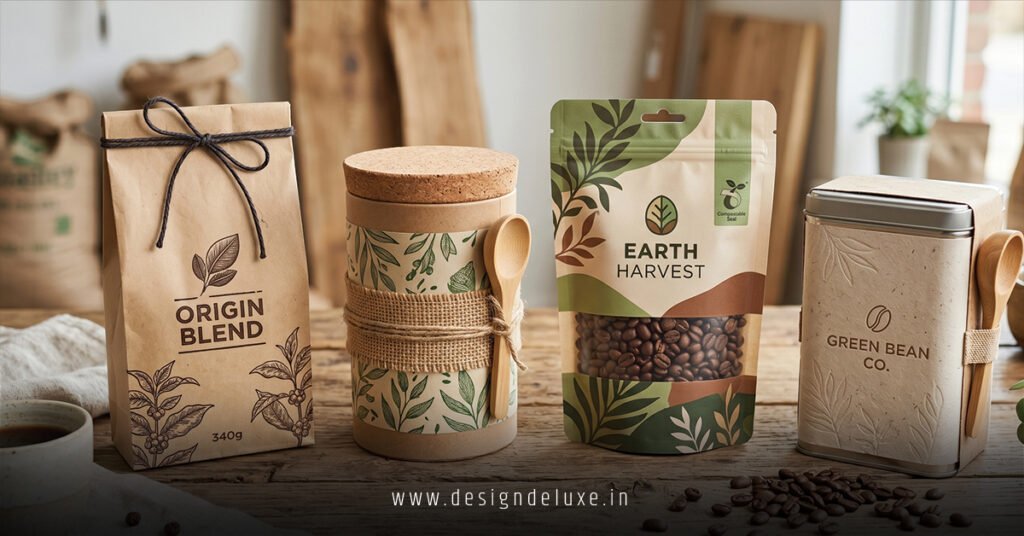
A kraft finish, fiber texture, or matte paper look can signal restraint without screaming “eco theater.” The trick is using those cues honestly, not as costume design.
Think of it like good coffee roasting. You’re not masking flaws. You’re bringing out what’s already there.
Step-by-step plan
If you’re a beginner, don’t try to reinvent the whole pouch on day one. Start here.
- Pick your hero format. Choose one packaging style for your main SKU: pouch, box, tin, or jar.
- Audit the current stack. Count every layer, insert, adhesive, and finish. Cut anything that does not protect coffee or help sales.
- Match the format to real disposal pathways. Check how that material is handled in U.S. recycling guidance and label it honestly.greenblue
- Simplify the artwork. Use fewer inks, fewer special coatings, and cleaner label placement.
- Add clear end-of-life instructions. Make them visible on the back or bottom panel.
- Test shipping and shelf life. Eco-friendly packaging is a fail if it scuffs, tears, or stales the coffee.
- Run a small batch first. See what customers understand before scaling.
- Tighten the design after feedback. The best pack is usually version three, not version one.
Common mistakes and fixes
Mistake: “Eco” claims without proof
If the pack says sustainable but the materials are unclear, customers tune out. That’s branding noise.
Fix it by naming the material, the disposal route, and the reason the format is better. Keep the claim specific.
Mistake: Too much mixed material
Paper plus foil plus plastic plus extra adhesive sounds impressive in a spec sheet. It’s a mess at end of life.
Fix it by reducing layers and moving toward simpler structures that are easier to sort or repurpose. The EPA’s guidance supports packaging construction that uses more efficient materials.epa
Mistake: Ignoring local recycling reality
A package can look recyclable and still fail in many local systems. That gap is where trust gets burned.
Fix it by aligning labels with current acceptance guidance, especially around “Check locally” language where needed. That’s not a setback. It’s honesty.greenblue
Mistake: Over-designing the premium look
Heavy coatings, metallic finishes, and busy embellishments can fight the eco story.
Fix it by using typography, spacing, and strong structure instead of decorative clutter. Clean can still feel premium.
Coffee brand examples that scale
Eco-friendly packaging design ideas for coffee brands don’t have to mean plain or boring. They can mean modern, durable, and memorable.
A direct-trade roaster might use a matte recyclable pouch with a bold roast-color system and a plain-language disposal note. A subscription brand might use a paper-based box with minimal internal fill and a repeat-use outer carton. A premium micro-roaster might lean into a reusable tin with a paper label and refill program.
One design can do three jobs: protect the product, sharpen the brand, and lower waste. That’s not magic. That’s good packaging discipline.
Key Takeaways
- Start with the simplest structure that still protects freshness and shipping.
- Reduce mixed materials wherever possible.
- Match packaging claims to real U.S. disposal pathways.
- Put disposal instructions on the pack in plain language.
- Use recyclable or reusable formats when they fit the product and price point.
- Treat premium design and sustainability as partners, not enemies.
- Test small before scaling big.
- Make the packaging story easy enough to explain in one sentence.
Eco-friendly packaging design ideas for coffee brands work best when they feel practical, not preachy. Get the material choice right, keep the structure lean, and make the disposal path obvious. That combination sells coffee, builds trust, and keeps the brand from looking like it’s borrowing its sustainability story.
FAQs
What are the best eco-friendly packaging design ideas for coffee brands in the USA?
The strongest options are lean paper boxes, recyclable mono-material pouches, reusable tins, and clearly labeled compostable formats where appropriate. The right choice depends on shelf life, shipping, and how the pack will actually be disposed of in the U.S..epa+1
Are compostable coffee bags always the best eco-friendly packaging design ideas for coffee brands?
No. Compostable sounds great, but it only helps when the disposal system is available and the instructions are crystal clear. If customers can’t tell where it goes, the sustainability benefit gets muddy fast.greenblue
How do eco-friendly packaging design ideas for coffee brands help sales?
They reduce waste, sharpen brand trust, and make the product feel more thoughtful. In a crowded coffee aisle, that can be the difference between “interesting” and “I’m buying this today.”