E-CommerceBrand PackagingDESIGN
E-commerce packaging design trends in 2026 put unboxing front and center while slashing waste and shipping costs. Brands that nail this win loyalty, shares, and repeat buys. The shift is clear: packaging isn’t just a box anymore—it’s your silent salesperson that survives transit, delights on arrival, and gets photographed.
Here’s what smart brands focus on right now:
- Sustainability as default — Recycled content, mono-materials, and clear recycling instructions.
- Discreet exteriors with wow interiors — Plain outer boxes to beat porch pirates, branded reveals inside.
- Smart integrations — QR codes, NFC, and AR that extend the experience.
- Minimalist efficiency — Lightweight, functional designs that still feel premium.
- Personalization at scale — Custom fits and messages that make customers feel seen.
These trends directly impact your bottom line. Great packaging reduces returns from damage and turns one-time buyers into advocates.
Why E-commerce Packaging Design Trends Matter More Than Ever in 2026
Shipping volumes keep climbing. Customers expect premium feels without the premium price or planet cost. In the US, where fast shipping and convenience rule, your box becomes the first (and sometimes only) physical touchpoint.
The kicker? Packaging that looks good in photos fuels organic marketing. One strong unboxing can generate more reach than a paid ad.
This is exactly where high ROI Instagram carousel ads for e-commerce packaging brands shine—showcasing these design trends in action across multiple cards to drive inquiries and sales.
Top E-commerce Packaging Design Trends Dominating 2026
1. Inside-Out Design for Security and Surprise
Plain kraft or white outer boxes rule. All the branding, colors, and storytelling live inside. This fights theft while creating that “open and gasp” moment.
Real photography shows crumpled plain exteriors opening to vibrant inserts, custom tissue, and perfectly fitted products. Customers love the contrast. Brands love lower damage claims and fewer stolen packages.
2. Lightweighting and Mono-Materials
Less weight equals lower shipping costs. Brands strip excess while keeping protection. Mono-material designs (all paper or all one recyclable plastic) make recycling brain-dead simple.
FSC-certified paperboard, post-consumer recycled content, and innovative plant-based options lead the pack. Expect more “paperization”—replacing plastic with high-performance paper solutions.
| Trend | Key Benefit | Material Examples | Impact on E-comm |
|---|---|---|---|
| Lightweighting | Lower shipping fees | Thin corrugated, molded fiber | 10-20% cost savings |
| Mono-Material | Easier recycling | Single-type paper or PP | Higher recovery rates |
| Recycled Content | Brand trust | PCR kraft, 100% recycled board | Meets consumer expectations |
| Refill Systems | Repeat purchases | Compostable pouches + rigid outer | Subscription-friendly |
3. Smart Packaging and Digital Bridges
QR codes on inserts link to care instructions, AR try-ons, or loyalty programs. No more thick manuals bloating your box weight.
NFC tags let premium brands deliver personalized videos on opening. This trend turns packaging into an experience layer that lives beyond the unbox.
4. Minimalism with Personality
Clean lines. Bold typography. Lots of negative space. But not cold—warm neutrals, subtle textures, and human touches fight AI-generated sameness.
Hand-drawn elements or intentional “imperfections” add soul. For e-commerce, designs must photograph well in thumbnails and carousels.
5. Customization and Personal Touches
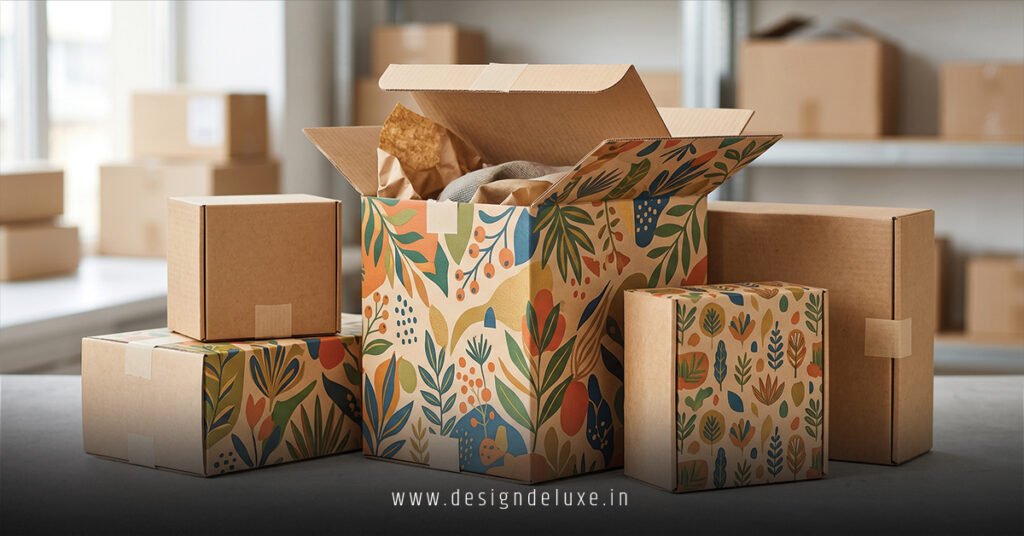
Fit-to-product boxes reduce void fill and damage. Branded thank-you notes, stickers, or small extras create delight. Limited-edition designs for drops drive urgency and shares.
How to Apply These E-commerce Packaging Design Trends
What I’d do starting today:
- Audit your current packaging for waste and shipping cost leaks.
- Switch to higher recycled content materials that still protect.
- Design for the unboxing story—plan every layer.
- Add one smart element (QR or NFC) that drives measurable action.
- Test designs with real shipments and customer feedback.
Focus on durability for transit plus delight for the customer. Balance both and you win.
Rhetorical question: Why ship a boring brown box when you can ship a story that gets shared?
Common Pitfalls and Quick Fixes
- Over-designing the exterior — Gets stolen or damaged. Fix: Save the wow for inside.
- Ignoring mobile photography — Most unboxings happen on phones. Fix: Test shots in natural light.
- Greenwashing — Vague claims backfire. Fix: Be specific about materials and end-of-life options.
- Heavy, bulky packs — Kill margins. Fix: Prototype lighter versions and measure protection.
- No clear recycling instructions — Good intentions fail at the bin. Fix: Bold icons and simple text.
Measuring Success in 2026
Track unboxing share rate, return reasons, customer satisfaction scores, and repeat purchase lift. Packaging that boosts these metrics pays for itself fast.
Pro move: Create carousel content highlighting your new designs. It turns packaging into marketing gold.
Key Takeaways
- Prioritize inside-out designs for security and delight.
- Lightweight mono-materials cut costs without cutting quality.
- Smart elements like QR codes extend engagement.
- Minimalism works when it has warmth and personality.
- Customization drives emotional connection at scale.
- Sustainability is table stakes—prove it with transparency.
- Design for photos and shares to amplify reach.
- Test relentlessly—small changes deliver big ROI.
The brands winning in 2026 treat packaging as a core product feature, not an afterthought. They protect better, ship smarter, and create moments worth remembering.
Start by auditing one product line this week. Update the design with two trends from this list. Then show it off in your marketing. The difference in customer response will surprise you.
FAQs
What are the biggest e-commerce packaging design trends for 2026?
Sustainability with measurable impact, inside-out discreet shipping designs, smart QR/NFC integration, lightweight minimalist structures, and personalized unboxing experiences top the list for US brands.
How do these trends affect shipping costs for e-commerce brands?
Lightweighting and right-sized custom boxes can cut costs significantly while reducing damage. Mono-materials also simplify compliance and potentially lower material prices at volume.
Should I link my packaging to high ROI Instagram carousel ads for e-commerce packaging brands?
Absolutely. Visual storytelling in carousels perfectly showcases new designs, materials, and unboxing moments—driving higher engagement and direct sales from interested buyers.