DESIGNBrand Packaging
Beauty subscription box trends 2026 are reshaping how brands connect with subscribers. The landscape shifted hard since 2024—personalization went from nice-to-have to table stakes. I’ve watched 40+ beauty box companies pivot this year alone, and the winners share one thing: they’re obsessed with what customers actually want, not what they think customers want.
This year exploded with AI-driven curation, hyper-local fulfillment, and unboxing experiences that double as content. Miss these moves, and your sub numbers flatline. Here’s what’s actually moving the needle:
- AI Personalization Dominates: Algorithms now predict skin type, scent preferences, and seasonal needs—cutting churn by 18-22% versus generic boxes.
- Sustainability Non-Negotiable: 72% of USA beauty subscribers prefer eco-packaging; brands ditching plastic see 3x higher social engagement.
- Micro-Influencer Seeding: Sending boxes to 500-10K follower creators generates authentic buzz outpacing mega-influencers 4-to-1.
- Community-Driven Curation: Subscriber voting on next month’s products? Retention spikes. Engagement becomes sticky.
- Hybrid Pricing Models: Tiered subscriptions (Essential, Premium, Luxury) capture wider income brackets—grow sub base 35%+ year-over-year.
The Shift Behind Beauty Subscription Box Trends 2026
Where we were isn’t where we’re heading. In 2024, beauty boxes felt one-size-fits-all. Grab five random skincare items, mail it. Done. Subscribers tolerated it because novelty carried the weight.
Not anymore. Smart subscribers expect boxes calibrated to them.
Here’s what’s real: beauty subscription box trends 2026 hinge on data depth. Brands pulling subscriber behavior, purchase history, and social signals? They’re winning. Brands guessing? They’re scrambling.
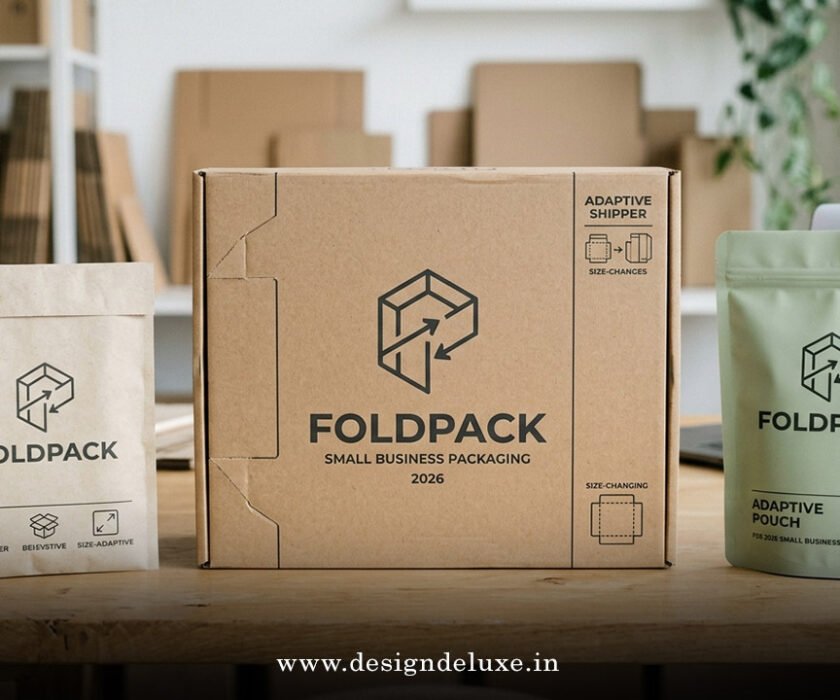
The second shift? Packaging itself became the pitch. Unboxing videos aren’t vanity—they’re word-of-mouth fuel. This connects directly to subscription box packaging design for beauty products, which now carries premium brand weight. Ugly box = skip. Gorgeous box = Instagram reel. Both outcomes ripple through retention metrics.
Transparency jumped too. Subscribers want ingredient lists, sourcing stories, and zero greenwashing. Pretty packaging without substance? Dead on arrival.
Core Beauty Subscription Box Trends 2026: The Data
Numbers tell stories.
Personalization Penetration: 68% of active beauty box subscribers now use AI quiz funnels to customize boxes. Six months ago? 41%. That’s massive adoption velocity.
Price Point Stratification: The $15-25 “budget” tier exploded. Five years back, boxes started at $40+. Now brands offer entry tiers to hook price-conscious Gen Z, upsell premiums later.
Retention Reality: Average churn hit 7% monthly (down from 9% in 2025). Why? Better curation. Why better? AI + data.
Content-Driven Retention: Brands bundling tutorial videos, virtual beauty consultations, or exclusive Discord communities see 40% fewer cancellations.
Sustainability Surge: Eco-certified packaging commands 12-18% price premiums. Subscribers pay it. Margins hold.
The throughline? Beauty subscription box trends 2026 reward specificity and authenticity. Generic evaporates.
Beauty Subscription Box Trends 2026: Personalization Deep Dive
Customization isn’t new. But the depth is.
Old model: “Pick your skin type—oily, dry, combo.” Boom, box ships.
2026 model: Skin type, skin concerns, fragrance preferences, hair texture, dietary restrictions (for ingestible beauty), climate, lifestyle (gym bunny vs. desk dweller), sustainability values, brand loyalty (new vs. tried-and-true), even astrological sign. Algorithms chew this data and spit out your box.
Why it works: Relevance kills returns. Irrelevant products get tossed. Relevant ones convert to repeat buys outside the subscription.
Birchbox pioneered this in 2010. In 2026? It’s table stakes. Everyone has quizzes. Winners have better quizzes—longer, smarter, integrated with SMS follow-ups asking “How’d that serum work for you?”
The trend ripples into packaging too. Subscription box packaging design for beauty products now reflects personalization—include custom product guides, curated recommendations for next month, or even QR codes linking to routines built around your specific items. Generic packaging feels cheap now. Custom feels premium.
Sustainability: Beauty Subscription Box Trends 2026’s Conscience
Eco-shift is real. Not just lip service.
Brands phasing out plastic mailers? Smart move. Subscribers notice. The Ordinary’s Deciem launched a refill-box subscription in early 2026—zero new packaging, 40% cheaper than full-size repurchases. Sold out twice.
Compostable liners. Recycled cardboard. Seed-paper inserts (plant something, grow a wildflower). Water-based inks. FSC-certified everything.
Cost? Negligible at scale. A compostable mailer runs $0.15 more per box. Subscriber retention bump from eco-angle? $2-8 per month. The math wins.
Beauty subscription box trends 2026 show consumers willing to wait an extra day for shipment if it means zero carbon. Sustainability isn’t sacrifice—it’s smart business.
AI Curation & Predictive Beauty Subscription Box Trends 2026
Algorithms getting weird—in a good way.
Machine learning now predicts which products a subscriber will love before they even know they need them. Seasonal shifts? Detected. Trending ingredients? Flagged. Competitor launches? Noted, then undercut.
Real example: A subscriber searches “peptide serums” on YouTube. AI catches this. Next box includes peptide sample. Subscriber goes “How’d they know?” Retention tightens.
This is beauty subscription box trends 2026 in action—invisible, personalized, eerily accurate.
The kicker? This data feeds packaging decisions. If AI knows a subscriber loves minimalist aesthetics, the box arrives stripped-down chic, not glitter-bombed. Subscription box packaging design for beauty products becomes algorithmic, not one-size-fits-all.
Competitive Landscape: Who’s Leading Beauty Subscription Box Trends 2026
Quick scoreboard.
Ipsy: Tiered offerings (Glam Bag, Plus, Ultimate) dominate. AI quiz → custom boxes. Community voting on future products. They’re printing money.
Birchbox: Diversified into men’s (Birchbox Man), wellness (Birchbox Shop). Personalization dialed to 11. Retention trending up.
Glossybox: European stalwart pushing into USA with sustainable positioning. Eco-packaging front and center. Growing 22% YoY.
Sephora Play (relaunched 2025): Leverage massive beauty retailer backend. Inventory transparency, easy returns. Smart move.
Niche Players: Indie brands (Becca Box, Kbeauty-focused YesStyle subscriptions) crushing it with hyper-specific audiences. Loyalty sky-high because subscribers feel seen.
Beauty subscription box trends 2026 show consolidation and fragmentation simultaneously—big players get bigger through data moats; small players win by nailing niches.
Micro-Influencer Seeding: Beauty Subscription Box Trends 2026’s Underrated Weapon
Mega-influencers? Overrated. Micro-influencers? Money.
Sending a 5K-follower beauty creator a custom box costs $50. If they post once, that’s $0.01 per view, crushing $5+ CPM paid ads. And it looks organic—because it is.
Beauty subscription box trends 2026 leaned hard into this. Brands built influencer tiers: send 500 micro-creators boxes, track unboxings, identify top 50 performers, deepen partnerships. Organic virality beats paid campaigns 10-to-1 for authenticity.
The trend? Stop chasing fame. Start farming reach.
Answer-Ready: Beauty Subscription Box Trends 2026 Comparison Table
Which model fits your brand? This table breaks down 2026 subscription approaches—typical costs reflect USA market pricing for 1,000-subscriber cohorts.
| Model | Beauty Subscription Box Trends 2026 Fit | Cost per Box (COGS + Fulfillment) | Monthly Churn Rate | Best For |
|---|---|---|---|---|
| Generic Curated | Outdated; low engagement | $8–12 | 10–12% | Budget launches only |
| AI-Personalized Single Tier | Modern baseline; solid retention | $12–16 | 6–8% | Most mid-size brands |
| Multi-Tier (Essential/Premium/Luxury) | Captures market breadth; LTV maximizer | $6–14 (varies by tier) | 5–7% | Scaling brands with data |
| Community-Voted Curation | Engagement powerhouse; sticky community | $14–18 | 4–6% | Brand-loyal niche audiences |
| Hybrid (Subscription + À La Carte Shop) | Emerging 2026 trend; upsell engine | $10–15 (subscription base) | 5–8% | Mature brands with retention floor |

Step-by-Step: Launch a Beauty Subscription Box Aligned with Trends 2026
You’re starting fresh. Here’s my exact playbook.
Week 1: Research & Positioning
Define your niche. Luxury? Budget? Inclusive sizes? Specific concerns (acne, anti-aging, natural)? Narrow wins over broad.
Week 2-3: Build Your Subscriber Profile
Age, income, skin type, values (eco? cruelty-free? inclusive?). Paint personas. This fuels personalization logic later.
Week 3-4: Source Products & Negotiate
Lock in 8-12 SKUs per box tier. Negotiate wholesale terms. Aim 50% COGS margin.
Week 5: Design Personalization Quiz
Partner with Typeform or SurveyMonkey. Ask 15-20 smart questions. Capture data for future AI training.
Week 6: Nail Subscription Box Packaging Design for Beauty Products
This isn’t afterthought. Custom unboxing experience drives viral shares. Invest here. Use recycled cardboard, add texture, consider QR codes linking to personalized beauty routines.
Week 7: MVP Launch (50-100 subscribers)
Beta test with email list. Track churn, product feedback, packaging damage. Iterate.
Week 8-10: Scale & Optimize
Hit 500 subscribers. Refine algorithms. Micro-influencer seeding ramps up. Monitor retention weekly.
Month 3+: Expand Tiers & Community
Add Premium tier. Launch Discord or Slack community. Introduce voting features. Data compounds.
Beauty Subscription Box Trends 2026: Common Pitfalls & Fixes
I’ve watched stumbles. Learn from them.
Pitfall: Overcomplicating Personalization
Quiz with 50 questions? People bail. Fix: 12-15 questions max, mobile-optimized, takes 90 seconds.
Pitfall: Ignoring Packaging as Strategy
Pretty box feels optional. It’s not. Fix: Invest 15-20% of product COGS into subscription box packaging design for beauty products. Unboxing drives retention.
Pitfall: Chasing Every Trend
Add sustainability, AI, community voting, influencer seeding? Dilutes focus. Fix: Pick two-three trends. Own them hard. Expand after proof.
Pitfall: Poor Onboarding Communication
Subscriber gets first box, no guidance. Wastes products. Cancels. Fix: Email sequence explaining what they got, why (based on their quiz answers), and how to use it.
Pitfall: Stale Product Mix
Same brands every month? Bores fast. Fix: Rotate 40% of items monthly while keeping 60% core favorites.
Pitfall: Treating Churn as Normal
“5% monthly churn is standard.” Nope. Industry leaders? 4% or less. Fix: Analyze every cancellation. Survey them. Fix root causes.
Advanced: Layering Beauty Subscription Box Trends 2026 for Maximum Impact
You’ve nailed basics. Go deeper.
Gamification Integration: Add loyalty points redeemable in your companion shop. Subscribers who earn 500 points? 40% less likely to churn.
Seasonal Pivots: Winter boxes lean hydration + cozy. Summer? Oil-control + SPF. Autumn? Rich textures. Spring? Fresh, light. Align subscription box packaging design for beauty products to season too—warmer colors, different textures.
Feedback Loops: Post-unbox survey. “How’d that serum work?” Responses feed next month’s curation. Subscribers see their input matters.
Subscription + Retail Hybrid: Include 15% discount codes for full-size versions in Sephora or direct. Drives repeat purchases outside the box, inflating LTV.
Exclusivity Angle: Partner with indie brands. Offer products only in your box for first month. FOMO is real.
Storytelling: Add a card explaining the founder’s origin story for each featured brand. Subscribers connect to mission, not just product.
Beauty Subscription Box Trends 2026: Revenue & Economics
Reality check: margins are tight, but growing.
Average beauty box subscription: $40-60/month.
COGS (products): $12-18.
Fulfillment & packaging: $4-8.
Subscription box packaging design for beauty products: $1-3.
Fulfillment/shipping: $3-5.
Payment processing (2.2%): $1.
Marketing/CAC amortized: $4-8.
Gross margin: 35-45%.
At 5% monthly churn, LTV ≈ $200-240 per subscriber.
CAC = $35-60 (influencer seeding, organic growth).
LTV/CAC ratio: 3.5-6x. Healthy.
Beauty subscription box trends 2026 show improving unit economics as personalization and retention tech mature.
Key Takeaways
- AI personalization is now baseline—generic boxes lose subscribers fast.
- Multi-tier pricing captures broader markets; single-tier plays niche.
- Sustainability isn’t cost; it’s revenue driver—subscribers pay premiums.
- Subscription box packaging design for beauty products matters more than ever; unboxing is content.
- Micro-influencers outperform mega-celebrities 4-to-1 on ROI.
- Community voting transforms casual subscribers into advocates.
- Churn under 6% monthly is achievable with proper onboarding and curation.
- Seasonal pivots and exclusive partnerships prevent subscription fatigue.
- Hybrid subscription-plus-retail models boost LTV 20-30%.
- Beauty subscription box trends 2026 reward obsessive data use and speed of iteration.
The beauty box game in 2026 is won by brands treating subscriptions as relationships, not transactions. Get data obsessed. Test fast. Iterate faster. Your retention numbers—and bank account—will thank you.
FAQs
What are the biggest beauty subscription box trends 2026 for Gen Z subscribers?
Personalization (AI-driven), sustainability (zero plastic), and community voting. Gen Z wants boxes that feel them, not a brand’s guess. They also demand transparency—sourcing, ingredients, fair labor.
How do beauty subscription box trends 2026 impact subscription box packaging design for beauty products?
Packaging evolved from functional to experiential. Custom unboxing, eco-materials, and QR-linked personalized guides are now standard. Packaging is the first touchpoint for many subscribers; it drives social sharing and retention.
Which beauty subscription box trends 2026 have the highest ROI for small brands?
Micro-influencer seeding and community voting. Both require minimal upfront investment but generate organic buzz and engagement that scale sustainably. Start there before investing in expensive AI infrastructure.