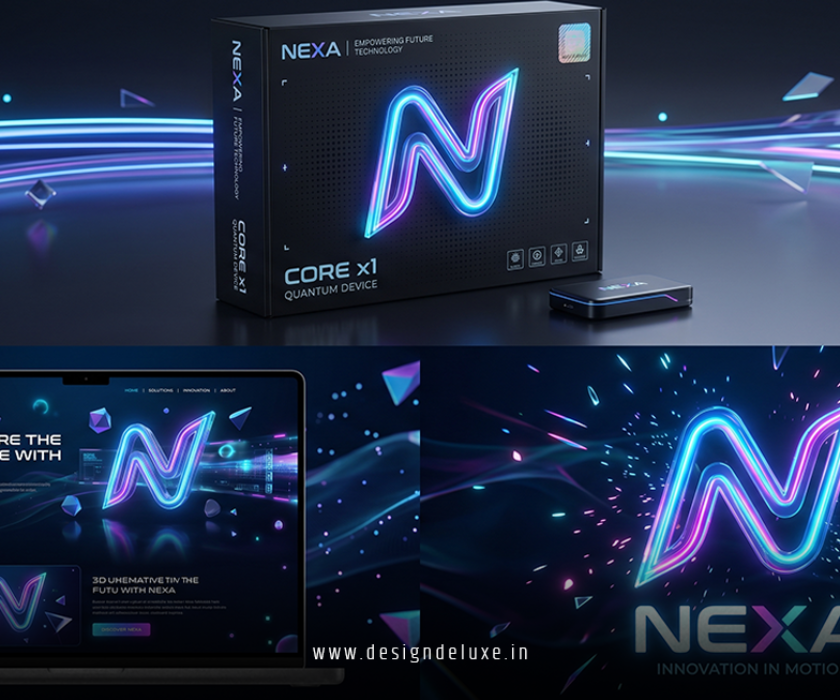
AD Video / Motion Graphics
Animated Ads: How Motion Graphics Boost Conversions work by turning static product shots and value props into short, attention-grabbing sequences that stop the scroll and guide viewers toward a click or purchase. Motion graphics cut through banner blindness, explain benefits faster than text alone, and create a sense of progress that static images rarely match.
- Motion graphics in ads typically lift click-through rates by 1.5–2x versus static images on major platforms.
- They excel at simplifying complex offers (SaaS features, product demos, multi-step benefits) without requiring live-action production.
- Short-form animated sequences (6–15 seconds) perform especially well on Meta, TikTok, and YouTube Shorts.
- When done right, they lower cost per acquisition while extending creative lifespan before fatigue sets in.
- Beginners can start with existing assets and simple tools rather than full studio budgets.
In my experience working with performance marketers, the brands that treat animation as a conversion lever—not just eye candy—consistently see cleaner attribution and stronger ROAS. The difference shows up fast once you stop treating every ad as a pretty picture and start treating it as a mini sales conversation that moves.
Why Motion Graphics Outperform Static in 2026 Feeds
Feeds move at the speed of a thumb flick. Static images get filtered out almost instantly. Motion creates a pattern interrupt. The eye locks on movement before the brain even registers the brand name.
Platform data backs this up. According to Meta’s 2025 advertising benchmarks, animated video ads generate roughly twice the click-through rate of static image ads on their platforms. That gap holds across prospecting and many retargeting placements when the creative is tight.
The real power sits in how motion graphics handle information density. You can sequence three benefits in eight seconds without making the viewer work. Text alone forces reading. Live action often adds noise. Clean motion graphics strip both problems away and leave only the signal.
Here’s the thing most beginners miss: the conversion lift does not come from flashy effects. It comes from clarity and pacing. A well-timed product highlight or feature reveal creates momentum. Viewers feel like they are progressing through a story rather than staring at a billboard.
What usually happens when teams ignore this? They burn budget on static variants that look fine in the ad manager preview but die in the feed. Then they blame targeting or offers. The creative was the leak the whole time.
Animated Ads: How Motion Graphics Boost Conversions Across Platforms
Different platforms reward different motion styles. What works on Instagram Reels rarely transfers one-to-one to LinkedIn or Google Display.
On Meta and TikTok, short looping motion graphics with bold text overlays and fast product reveals dominate. The first two seconds decide everything. If the motion does not stop the scroll, the rest of the ad never gets a chance.
YouTube and longer-form placements allow more narrative. Motion graphics can open with a problem animation, then transition into a solution sequence. The format still benefits from tight pacing—viewers still abandon slow opens.
Display and programmatic benefit from subtle motion. Simple CSS or HTML5 animations on banners often outperform pure static by meaningful margins on engagement and view-through conversions. Aggressive full-motion can sometimes hurt viewability scores, so restraint matters.
In my experience, the highest-performing animated ads share three traits: they lead with the offer or outcome in the first three seconds, they use motion to direct the eye toward the call-to-action, and they remain readable with sound off. Captions and clear visual hierarchy are non-negotiable.
Animated Ads: How Motion Graphics Boost Conversions for Beginners
You do not need a $15,000 production budget to test this. Many solid results start with existing product photos, brand colors, and free or low-cost tools.
Step-by-Step Action Plan for Launching Your First Animated Ads
- Audit your current top static performers. Pull the three static ads with the highest CTR or lowest CPA. These become your foundation. The messaging already works; you are adding motion to amplify it.
- Define the single conversion goal. Is it a click to a landing page, an add-to-cart, a form fill, or an app install? Every frame should serve that goal. Vague “brand awareness” motion usually underperforms on performance budgets.
- Script a 6–12 second sequence. Open with the problem or the benefit. Show the product or feature in motion. End on a clear CTA. Keep text large and limited to five or six words per frame max.
- Choose your production path. For beginners: Canva or CapCut with motion templates. Intermediate: After Effects templates or tools like Animoto and Vyond. Advanced: custom After Effects or Cinema 4D work. Start simple and only scale production quality once the concept proves itself.
- Build three variants. Change the opening motion, the color emphasis, or the CTA animation. Run them against the original static as a control. Platform algorithms need volume to learn, so give them options.
- Launch with proper tracking. Use UTM parameters, platform pixel events, and preferably a server-side setup so you can see true conversion lift. Monitor thumb-stop rate, hold rate at 3 seconds, and actual conversion rate—not just vanity metrics.
- Iterate weekly. Kill losers fast. Scale winners and create new motion variations of the winning structure. Creative fatigue hits animated ads too, just later than static in most accounts.
What I’d do if I were running a mid-size e-commerce account tomorrow: take the best-selling product’s static ad, animate the product rotating or the key benefit text sliding in, keep the same offer, and split-test at 20–30% of daily budget for seven days. The data usually decides the next move cleanly.
Common Mistakes & How to Fix Them
Too much motion, too fast. Viewers get dizzy or confused. Fix: slow the overall pace by 20% and give the eye places to rest. One strong motion element per two seconds is usually enough.
Ignoring sound-off viewing. Most social ads play muted. Fix: design every frame so the story works without audio. Add captions that are large and high-contrast.
Making the animation the hero instead of the offer. Pretty motion that fails to communicate value loses. Fix: force every frame to answer “why should I care?” before you add the next effect.
Overlooking mobile framing. Vertical is non-negotiable on most feeds. Fix: design in 9:16 or 4:5 first, then adapt if needed. Never crop a landscape animation into vertical as an afterthought.
Skipping the static control. Without a direct comparison you cannot prove the lift. Fix: always run the animated version against the best current static until the data is clear.
Using stock motion that feels generic. Audiences sense it. Fix: customize colors, fonts, and product shots so the animation feels native to the brand.
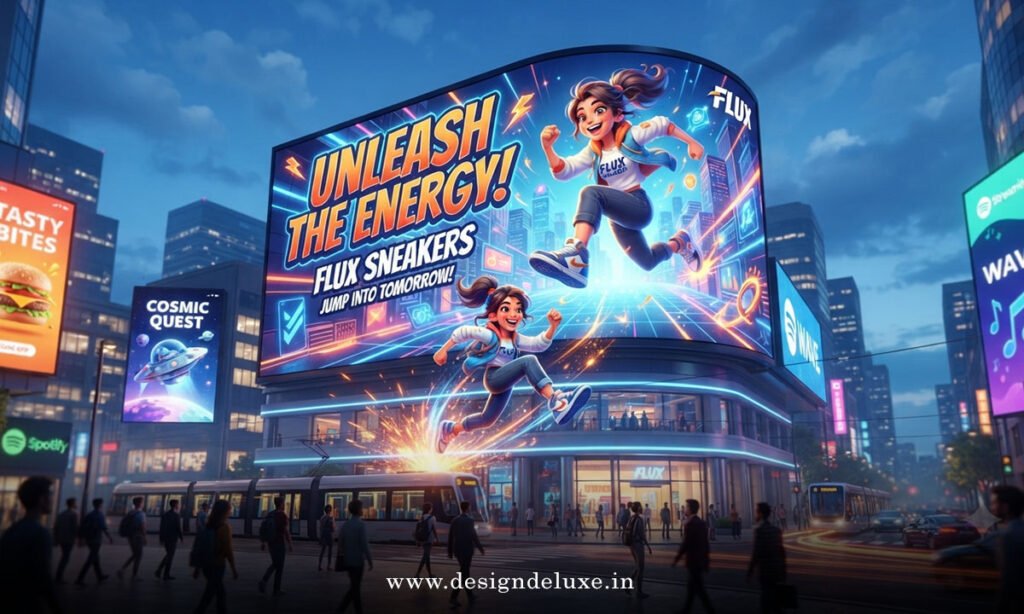
Animated Ads vs Static: Quick Comparison
| Factor | Animated / Motion Graphics | Static Image Ads |
|---|---|---|
| Average CTR lift | Often 1.5–2x higher on Meta | Baseline |
| Attention hold | Stronger first 3–5 seconds | Weaker against scroll |
| Production time | Longer (hours to days) | Faster (minutes) |
| Creative lifespan | Usually longer before fatigue | Shorter |
| Best use cases | Complex products, demos, multi-benefit | Simple offers, retargeting, product focus |
| Cost per asset | Higher upfront | Lower |
| Testing flexibility | Multiple motion variants possible | Easier rapid iteration |
The table is directional. Real results depend on the product, the audience, and the execution quality. Motion wins more often on cold traffic and educational offers. Static still holds its own on warm retargeting and highly visual products where the photo does most of the selling.
Practical Advice from the Trenches
If your product needs demonstration—software interfaces, multi-step benefits, before-and-after results—motion graphics almost always outperform pure static. The animation does the explaining that a single image cannot.
Budget-conscious teams should start by animating existing assets rather than building from scratch. Product photos, logos, and key copy already exist. Adding purposeful motion is cheaper than a full live-action shoot and often more consistent across platforms.
Test length aggressively. Six-second loops sometimes beat 15-second stories. The winning length is whatever holds attention long enough to deliver the offer and still converts.
One fresh analogy I keep returning to: a static ad is a billboard on a highway. A good motion graphic is a short, well-timed traffic light sequence that forces the driver to pause, look, and decide. Both can work. One simply creates more forced attention in a crowded environment.
Key Takeaways
- Motion graphics boost conversions primarily by increasing attention and clarifying the offer faster than static images.
- Aim for 6–15 second sequences with the core benefit visible in the first three seconds.
- Always design for sound-off viewing with large, readable text.
- Start with your best-performing static ads and add targeted motion rather than inventing new concepts from zero.
- Run animated variants against static controls so the lift is measurable, not assumed.
- Platform algorithms reward creative diversity; multiple motion styles give the system more to learn from.
- Creative fatigue still happens—plan a steady pipeline of new motion variants.
- Focus on clarity and pacing over visual complexity.
The brands winning with animated ads treat them as a performance tool, not a design exercise. They measure, kill, and iterate the same way they treat any other conversion asset. That discipline turns motion from a nice-to-have into a reliable lever for lower acquisition costs and higher volume.
Start with one product or offer this week. Animate the strongest static creative you already have. Give it real budget and clean tracking. The numbers will tell you whether to double down or refine. Most teams that take this step find the next round of creative decisions becomes a lot clearer—and a lot more profitable.
FAQs
Do Animated Ads: How Motion Graphics Boost Conversions work better for certain industries?
They tend to shine for SaaS, education, complex consumer products, and any offer that benefits from demonstration. Pure lifestyle or highly visual fashion brands sometimes see smaller lifts because strong photography already does heavy lifting. Test both formats rather than assuming.
How much should I budget for my first Animated Ads: How Motion Graphics Boost Conversions test?
Enough to generate statistical confidence against your static control—often $500–2,000 depending on your average CPC and conversion rate. Focus on learning the concept first. Scale production quality only after the idea proves itself.
Can small businesses compete with big brands using motion graphics?
Yes. Template-based tools have closed the quality gap dramatically. A clean, well-paced animation of your actual product often outperforms a polished but generic brand film. Consistency and relevance beat production value more often than people expect.