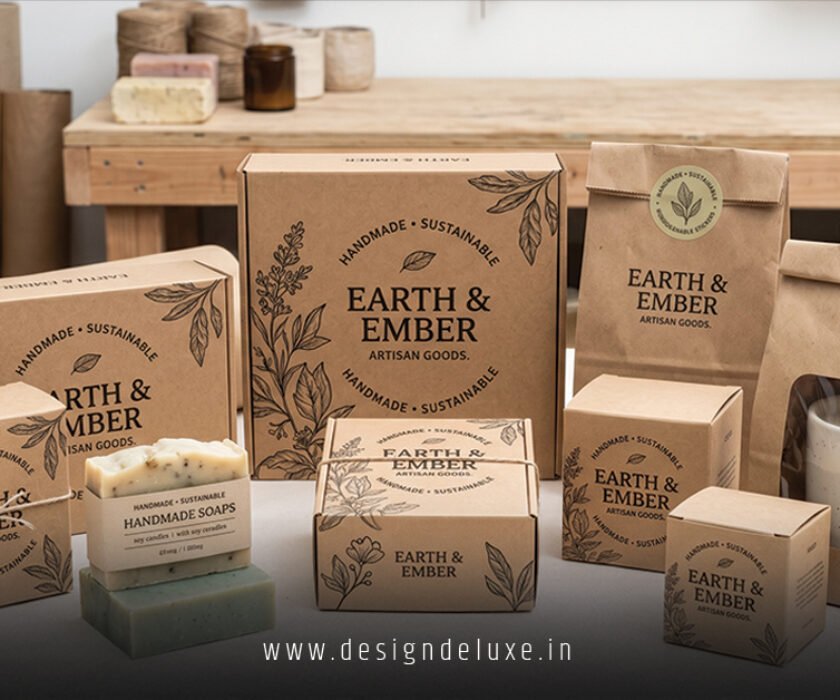
Eco-Friendly / Sustainable
Sustainable Print Materials Guide content usually reads like a lecture. This one won’t. Let’s talk about what actually holds up on press, what looks good on shelf, and what’s just greenwashing dressed up in earth tones.
Here’s the fast version before we get into specifics.
- Recycled fiber paper has genuinely improved. Brightness and print quality no longer scream “budget option.”
- Certifications matter more than marketing copy. FSC and SFI labels carry real weight; vague “eco-friendly” claims don’t.
- Soy-based and vegetable inks are now standard, not a premium upgrade, at most commercial printers.
- Sustainable choices influence design decisions, including the texture-forward aesthetics driving Print Design Trends 2026: Modern Magazine Aesthetics.
- Cost gaps are shrinking fast. Many recycled stocks now sit within a few percentage points of virgin paper pricing.
Why care? Because clients ask about sustainability now before they ask about price. That shift happened fast, and it’s not reversing.
Why a Sustainable Print Materials Guide Matters Right Now
Paper isn’t a neutral choice anymore. It’s a statement.
Brands get judged on it. Readers notice it. And honestly, print buyers who ignore this are going to lose bids to competitors who don’t.
The EPA tracks paper recovery rates in the U.S. at well over 60% for years running, which tells you recycled fiber isn’t some fringe supply chain anymore — it’s mainstream infrastructure.
The Real Reason This Ties Into Design Trends
Here’s the thing most guides skip: sustainable materials aren’t just an ethics checkbox. They actively shape how a printed piece looks and feels.
Uncoated recycled stock has a slightly rougher tooth. That texture is exactly what’s fueling the tactile, paper-forward look behind Print Design Trends 2026: Modern Magazine Aesthetics. Sustainability and aesthetics aren’t fighting each other anymore. They’re the same conversation.
Core Materials in a Modern Sustainable Print Materials Guide
Let’s break down what’s actually available and worth using.
Recycled and FSC-Certified Paper Stocks
Recycled paper used to mean gray, dull, and slightly disappointing. Paper mills fixed that.
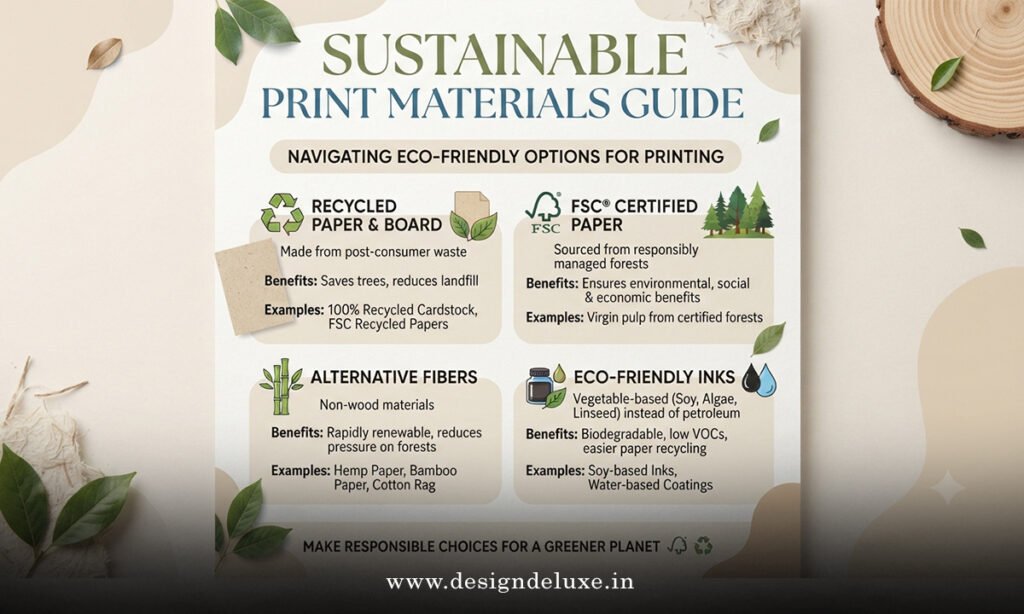
Modern post-consumer waste (PCW) stocks now hit 30%, 50%, even 100% recycled content while still printing crisp, bright color. FSC certification, backed by the Forest Stewardship Council, confirms the fiber came from responsibly managed forests — virgin or recycled.
Soy and Vegetable-Based Inks
Petroleum-based inks release more volatile organic compounds during drying. Soy and vegetable-based alternatives don’t, and they’ve closed the color-vibrancy gap almost entirely.
Most commercial printers in the U.S. now default to these inks without even flagging it as a special request. That’s a quiet but massive shift from a decade ago.
Alternative and Tree-Free Fibers
Bamboo, hemp, cotton rag, even agricultural waste like wheat straw — these fibers are showing up in premium print runs. They grow faster than trees and need less water in most regions.
They’re not mainstream yet for high-volume magazine runs. But for limited editions and art-driven publications, they’re a strong flex.
Water-Based and Low-VOC Coatings
Traditional laminates and varnishes can be tough to recycle. Water-based coatings solve that without sacrificing much shine or protection.
If you’re chasing that soft-touch matte finish popular in current magazine design, water-based coating gets you there sustainably.
| Material | Sustainability Benefit | Print Quality Trade-off | Best For |
|---|---|---|---|
| Recycled/FSC Paper | Reduces virgin fiber demand, verified sourcing | Minimal — modern stocks print nearly identical to virgin paper | Magazines, brochures, packaging |
| Soy/Vegetable Ink | Lower VOC emissions, easier recycling | None in most commercial applications | All standard offset print jobs |
| Tree-Free Fibers (Bamboo, Hemp) | Faster renewal cycle, lower water use | Slightly higher cost, limited supplier availability | Limited editions, art books |
| Water-Based Coatings | Easier recycling, lower toxicity | Slightly less glossy than solvent-based laminate | Soft-touch magazine covers, packaging |
Step-by-Step Action Plan for Choosing Sustainable Print Materials
Don’t overhaul your entire supply chain overnight. Build it piece by piece.
- Ask your printer what they already stock. Many shops already carry FSC-certified paper — you just have to request it.
- Request a printed sample, not a swatch book photo. Paper behaves differently under real ink than it looks in a catalog.
- Confirm certification claims directly. Look up the FSC license number rather than trusting a logo alone.
- Start with ink, not paper, if budget is tight. Soy-based ink swaps usually cost nothing extra and ship standard at most printers.
- Test one recycled stock on a real print run. Compare color accuracy and texture against your current baseline.
- Document your choices for clients. Certifications and material sourcing are becoming a selling point — use them.
Common Mistakes & How to Fix Them
Mistake: Assuming “recycled” automatically means lower quality.
Fix: Request current-generation recycled stock samples. Quality has improved dramatically in the last five years.
Mistake: Trusting vague eco-labels without verification.
Fix: Check certifications against the official FSC database before including sustainability claims in marketing.
Mistake: Ignoring coating and lamination choices.
Fix: Water-based coatings matter just as much as paper stock. Don’t sustainability-proof half the job and skip the rest.
Mistake: Switching everything at once and blowing the budget.
Fix: Phase in sustainable materials one print run at a time, starting with the cheapest wins like ink.
Sustainable Materials and Modern Magazine Aesthetics
Here’s where it gets interesting. The tactile, uncoated look driving current Print Design Trends 2026: Modern Magazine Aesthetics practically requires sustainable stock choices to achieve.
Glossy, coated paper doesn’t give you that raw, honest texture readers are drawn to right now. Recycled and uncoated fiber does — almost by accident, sustainability became the aesthetic.
That’s not a coincidence worth ignoring if you’re planning a redesign.
Key Takeaways
- A solid Sustainable Print Materials Guide starts with verified certifications, not vague marketing language.
- FSC-certified recycled paper now performs nearly identically to virgin stock in most commercial applications.
- Soy and vegetable-based inks are standard practice at most U.S. commercial printers today.
- Alternative fibers like bamboo and hemp work best for limited, premium print runs rather than high-volume magazines.
- Water-based coatings offer a sustainable path to the soft-touch finishes popular in modern design.
- Sustainable material choices directly shape the tactile aesthetics behind current print design trends.
- Phase sustainability upgrades in gradually, starting with the lowest-cost swaps first.
Sustainable print materials stopped being a compromise years ago. They’re just good design sense now, wrapped in better environmental math.
If you’re planning your next print run, start with one material swap — ink or paper — and build from there. Small changes compound fast once your printer sees the results.
FAQs
Does using sustainable print materials cost significantly more?
Not anymore in most cases. Recycled paper and soy-based ink typically add minimal cost compared to virgin stock and petroleum ink, according to industry data tracked by the Printing United Alliance.
How do sustainable materials connect to current magazine design trends?
Textured, uncoated recycled stock naturally supports the tactile look defining Print Design Trends 2026: Modern Magazine Aesthetics, making sustainability and style mutually reinforcing rather than competing priorities.
What’s the easiest first step for a small business going sustainable with print?
Switch to soy-based ink and FSC-certified paper on your next run — most commercial printers already stock both, so it usually requires just a simple request.