BrandBusiness & FinanceDESIGN
Brand Design Process starts with understanding that your brand is more than a logo or a colour scheme. Many entrepreneurs treat branding as an afterthought, only realising later that inconsistent visuals and mixed messages confuse customers and slow growth. You have a solid product or service, yet people still struggle to remember you or trust you at first glance. That gap is exactly what a clear brand design process closes.
In this article, we’re going to be taking a look at Brand Design Process, and how you can build a recognisable, trustworthy brand that supports sales and loyalty. If you would like to find out more, feel free to read on.
Pic – CC0 License
What the Brand Design Process Really Covers
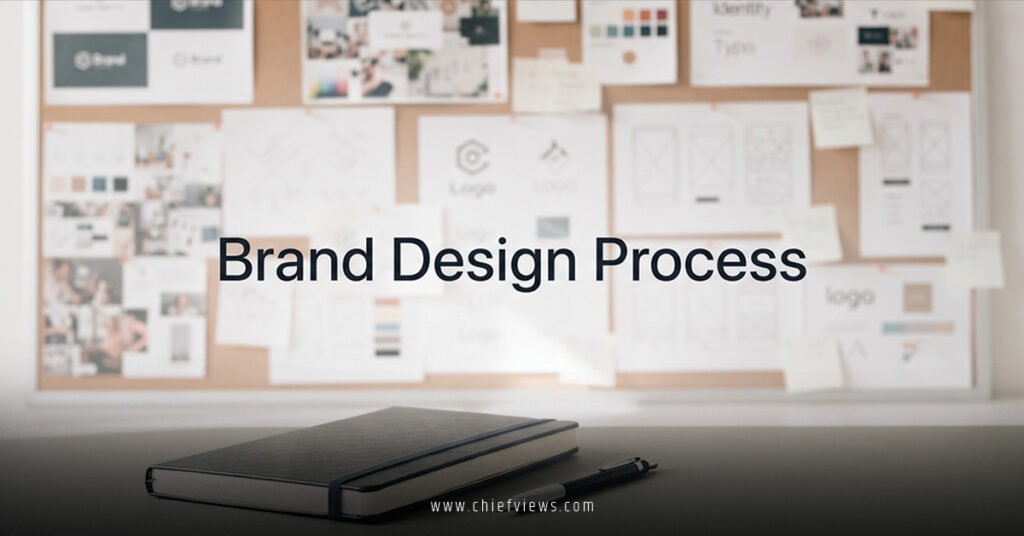
The brand design process is the structured path from research to final assets. It turns abstract ideas about your business into tangible elements people see every day—your logo, website, packaging, social posts, and even how your team answers the phone. Skipping steps usually leads to rework and wasted money. Following a simple sequence keeps everything aligned and saves time later.
Start by gathering what you already know about your customers and competitors. Talk to a handful of existing clients. Note the words they use when they describe you. Look at how similar businesses present themselves in your market, whether you operate in the USA, UK, Australia, Singapore, or Dubai. Patterns will appear quickly. Those patterns become the foundation for everything that follows.
Research Before You Sketch Anything
Good design begins with research, not software. Write down your core promise in one plain sentence. Who do you serve? What problem do you solve better or differently than others? What feeling do you want people to have after interacting with your business? Keep the language everyday. Avoid vague statements that could apply to any company.
Next, map the customer journey. Where do people first meet your brand? A Google search, a recommendation, a social media ad? What happens at each touchpoint? This exercise reveals gaps. You might discover that your website looks polished while your invoices still use an old logo. Consistency across every point builds recognition and trust.
Define Your Visual Direction
Once the research is solid, move into visual territory. Choose a primary colour palette that feels right for your industry and audience. Limit yourself to three or four main colours so the system stays manageable. Select typefaces that are easy to read on screens and in print. Test them at small sizes. A font that looks elegant on a large monitor can become illegible on a phone.
Create a simple mood board. Collect images, textures, and existing designs that match the feeling you want. Share it with a trusted colleague or mentor and ask for honest feedback. This step prevents expensive surprises later when the final logo arrives and feels off.
Build the Core Assets of Your Brand Design Process
Now create the actual pieces. Start with the logo. Keep it simple enough to work in one colour and at very small sizes. Design a version for dark backgrounds and a version for light ones. Produce a clear set of rules: minimum size, clear space around the mark, and what never to do with it.
Extend the system to other essentials: business cards, email signatures, social media templates, and website guidelines. Document everything in a short brand guide—ten pages is often enough for a growing business. The guide becomes the single source of truth so freelancers, staff, and future agencies all stay on the same page.
Test and Refine Before Full Roll-Out
Never launch everything at once. Show the new logo and key visuals to a small group of customers or team members. Watch their reactions. Ask specific questions: Does this feel like the business you know? Is anything confusing? Adjust based on real feedback rather than personal preference.
Roll out the new brand in phases. Update the website and social profiles first, then stationery, then packaging or signage. This staged approach spreads the cost and lets you catch issues early. Track simple metrics after launch—brand search volume, direct traffic, and customer comments. Small improvements compound quickly.
Common Pitfalls and How to Avoid Them
Many businesses rush the research stage and end up with a design that looks modern but feels disconnected from their actual customers. Others create beautiful assets and then fail to use them consistently. Both mistakes cost more than doing the work properly the first time.
Another frequent issue is treating the brand design process as a one-time project. Markets shift. Customer expectations evolve. Review your brand guide every 18–24 months and make modest updates. Fresh photography, refined messaging, or a slight colour adjustment can keep the brand feeling current without a full redesign.
Tools and Resources That Help
You do not need an expensive agency to complete a solid brand design process, especially in the early stages. Free and low-cost tools handle research notes, mood boards, and basic logo exploration. For deeper guidance on visual hierarchy and usability, the Nielsen Norman Group offers clear research-backed articles. When you want strategic perspective on brand positioning, Harvard Business Review regularly publishes practical pieces. And for real-world examples of how brands adapt over time, Forbes provides accessible case studies.
These sources stay useful whether you are based in London, Sydney, Singapore, Dubai, or a mid-sized American city. The principles travel well across markets.
Putting the Brand Design Process into Practice
Set aside focused time. Block two half-days for research and customer conversations. Schedule another session for mood boards and colour exploration. Treat the brand guide as a living document rather than a polished brochure. Share it early with anyone who creates content or speaks to customers.
Involve your team. When people understand the “why” behind the colours and the logo, they become better ambassadors. Consistency improves naturally when everyone sees the same playbook.
We hope that you have found this article enlightening in some way and that the steps outlined here feel practical rather than overwhelming. A clear brand design process does not require perfection on day one. It requires steady attention and a willingness to refine as you learn. Start with the research, protect the consistency, and let the visual system support the real value you already deliver. Your customers will notice the difference, and your business will have a stronger foundation for whatever comes next.