DESIGN
Personal Brand Design starts with a simple truth most entrepreneurs learn the hard way: people do business with people they know, like, and trust. When your name doesn’t clearly signal what you stand for, potential clients scroll past, partners hesitate, and opportunities quietly move on. Building a personal brand isn’t about becoming famous. It’s about making sure the right people understand who you are, what you deliver, and why they should choose you over everyone else.
In this article, we’re going to be taking a look at Personal Brand Design, and how you can create a clear, consistent presence that attracts the right opportunities without feeling forced or fake. If you would like to find out more, feel free to read on.
Pic – CC0 License
Why Personal Brand Design Matters for Entrepreneurs
Your personal brand is the story people tell about you when you’re not in the room. For beginners and intermediate business owners in the USA, UK, Australia, Singapore, or Dubai, that story can open doors or close them. A well-designed brand helps you stand out in crowded markets, charge what you’re worth, and attract clients who already believe in your approach.
Think about the last time you hired someone or bought a service. You probably checked their LinkedIn, website, or social profiles first. If the message felt scattered or unclear, you moved on. The same thing happens to your business every day. Personal Brand Design gives you control over that first impression so it works in your favour.
The Core Elements of Effective Personal Brand Design
Start with clarity. Write down three things: the specific problem you solve, the people you solve it for, and the unique way you solve it. Keep the language plain. Avoid trying to sound impressive. Just be accurate and useful.
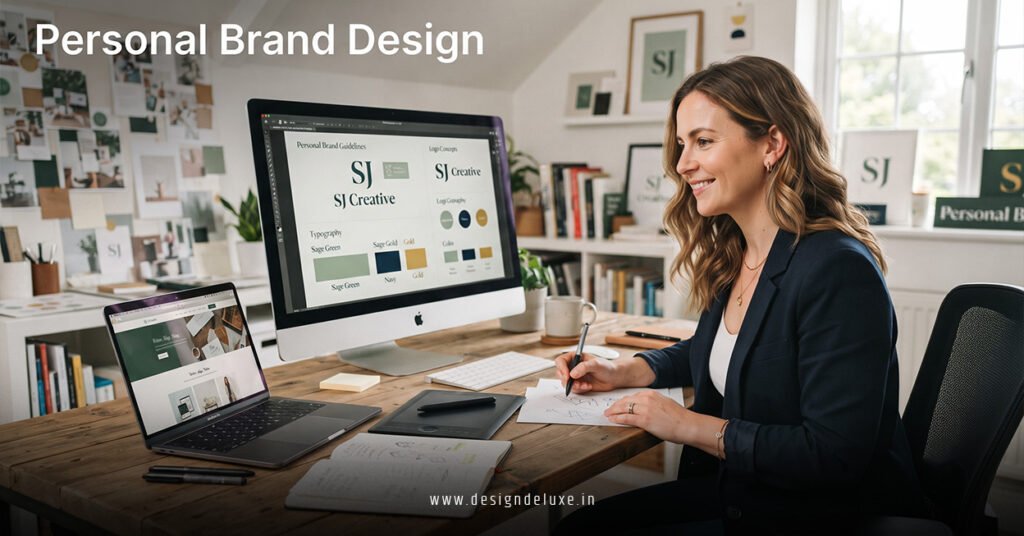
Next comes visual consistency. Your photo, colour choices, fonts, and overall style should feel the same across your website, LinkedIn, Instagram, and any other platform you use. This doesn’t require a big budget. Many entrepreneurs begin with a professional headshot, a simple logo or wordmark, and two or three brand colours that feel right for their personality and industry.
Voice is just as important as visuals. Decide how you want to sound—straightforward, warm, energetic, or calm—and stick to it. Whether you’re writing a LinkedIn post, an email, or a proposal, the tone should feel like the same person. Consistency builds recognition, and recognition builds trust.
How to Build Your Personal Brand Design Step by Step
Begin with an audit. Look at every public place your name appears online. Ask yourself: Does this look and sound like the professional I want to be known as? Make a list of what needs updating.
Then define your positioning. Choose one clear sentence that explains who you help and how. Example: “I help independent consultants in the UK and Australia win higher-value clients through clearer messaging and simple personal brand systems.” Keep it short enough that you can say it in conversation without stumbling.
Create or update your visual assets. A clean, recent photo where you look approachable yet professional goes a long way. Pair it with consistent colours and fonts. Tools like Canva make this accessible even if you’re not a designer.
Write your core content once and reuse it. Your LinkedIn About section, website bio, and email signature should all tell the same story in slightly different lengths. This saves time and keeps everything aligned.
Finally, show up regularly in places your ideal clients already spend time. Share useful insights, behind-the-scenes moments from your work, and real results (with permission). You don’t need to post every day. You need to post consistently enough that people remember you when they need what you offer.
For practical guidance on visual identity, the Nielsen Norman Group offers research-backed advice on how people form first impressions online. Their work on clarity and trust signals remains useful for anyone designing a personal brand in 2026.
Common Mistakes That Weaken Personal Brand Design
Many entrepreneurs try to appeal to everyone. The result is a bland message that attracts no one in particular. Narrow your focus. It’s better to be known by a specific group as the clear choice than to be vaguely familiar to a large audience.
Another frequent issue is inconsistency. Changing your photo, bio, or tone every few months forces people to relearn who you are. Pick a direction and refine it over time instead of restarting.
Some people also hide behind logos or company names when the market actually wants to connect with the founder. In service businesses especially, buyers often prefer knowing the person behind the work. Let your personal brand support the business brand rather than compete with it.
If you’re based in Singapore or Dubai and work across cultures, pay attention to local expectations around professionalism and approachability. What feels warm in Australia may need slight adjustment for a more formal market, while still staying true to you.
Measuring Progress Without Overcomplicating Things
You don’t need complex analytics to know if your Personal Brand Design is working. Watch for these simple signals: more inbound messages from ideal clients, easier conversations when you introduce yourself, and referrals that mention specific parts of your story or style.
Track a few practical numbers too—profile views on LinkedIn, website visits from your name, or how often people say “I’ve been following your work.” These give you feedback without turning brand building into a full-time data project.
For broader career and branding research that still holds up, Harvard Business Review regularly publishes practical articles on personal branding and professional reputation that many entrepreneurs find useful.
Keeping Your Personal Brand Design Fresh in 2026
Markets shift. Your offer may evolve. That’s normal. Review your positioning and visuals once or twice a year. Ask trusted clients or peers for honest feedback on how you come across. Update photos when they start looking dated. Refresh examples and case studies so they stay current.
The goal isn’t perfection. It’s coherence. When someone encounters you in different places, they should feel like they’re meeting the same reliable professional each time.
We hope that you have found this article enlightening in some way and that it gives you a clear starting point for shaping a personal brand that feels authentic and works for your business. Take one small step this week—update your bio, choose consistent colours, or write that positioning sentence—and build from there. Your future clients are already looking for someone like you. Make it easy for them to find and recognise you.