Logo Design
Retro Futurism Logo Design Trends dominate brand identities in 2026. They blend yesterday’s bold optimism with tomorrow’s sleek tech edge. Think chrome finishes, neon bursts, and geometric shapes that scream 1980s sci-fi but feel crisp on modern screens. Brands crave this mix of nostalgia and forward momentum. It cuts through digital noise like nothing else.
Here’s the quick rundown:
- Nostalgic yet fresh visuals that spark instant recognition and curiosity.
- Versatile across static logos, animations, packaging, and motion.
- Perfect for tech, gaming, music, and lifestyle brands chasing memorable impact.
- Balances bold elements with clean execution for scalability.
The result? Logos that feel alive, optimistic, and distinctly human in an AI-heavy world.
Why Retro Futurism Logo Design Trends Explode in 2026
Audiences crave warmth and wonder amid polished minimalism. Retro-futurism delivers exactly that — visions of the future from the past, updated with today’s precision. Chrome textures meet soft gradients. Vintage typography gets neon glows. It’s optimistic escapism that still works on apps and billboards.
This style shines brightest when extended into full experiences. Many brands now link their core identity to Retro futurism motion graphics logo banner packaging for cohesive campaigns that pop across every touchpoint.
Key Elements Defining Retro Futurism Logos Right Now
Successful designs pull from specific building blocks:
- Chrome and Metallic Finishes: Reflective surfaces that catch light and evoke classic sci-fi hardware.
- Neon Gradients and Palettes: Electric pinks, cyans, purples mixed with warm retro tones.
- Geometric and Space-Age Shapes: Circles, grids, rays, and abstract forms inspired by mid-century futurism.
- Hybrid Typography: Bold serifs or condensed sans with sci-fi flair, often with subtle distortions or glows.
- Subtle Grain and Textures: Light analog imperfections that add soul without clutter.
| Element | Classic Retro Touch | 2026 Modern Twist | Best Used For |
|---|---|---|---|
| Color Palette | Pastel space tones | Neon gradients + chrome highlights | Tech & Gaming Brands |
| Typography | Atomic Age, bold slabs | Mixed with clean sans & subtle glows | Music & Entertainment |
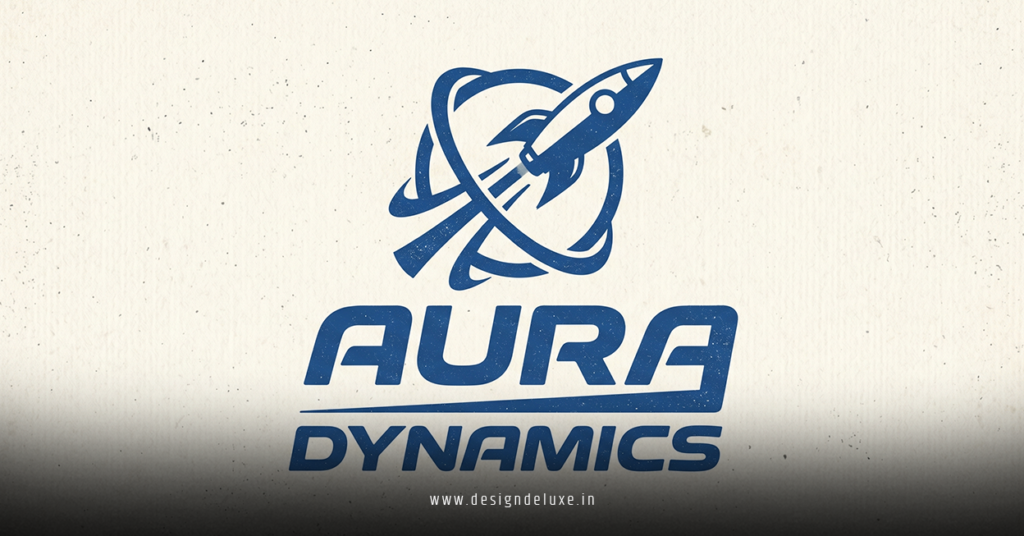
| Shapes & Icons | Rockets, stars, orbits | Abstract geometry with 3D depth | Lifestyle & Fashion |
| Effects | Flat metallics | Dynamic reflections + light leaks | Digital Products & Apps |
| Overall Vibe | Pure nostalgia | Optimistic futurism with human touch | Cross-Platform Campaigns |
This table captures patterns from leading 2026 trend reports.
Step-by-Step Guide to Creating Retro Futurism Logos
Want to nail this trend? Here’s what I’d do in a client brief tomorrow.
Step 1: Define the Brand Story
Decide which era fuels the vision — 1960s Space Race optimism or 1980s cyber vibes? Tie it tightly to brand values.
Step 2: Sketch Core Shapes
Start with simple geometry. Experiment with overlapping circles, perspective grids, or stylized icons that hint at motion.
Step 3: Layer Textures and Effects
Add chrome gradients, subtle grain, and neon outlines. Keep it vector-based for scalability. Test in both light and dark modes.
Step 4: Refine Typography
Choose fonts that feel vintage yet legible. Add controlled distortions or glows, but never overdo it.
Step 5: Extend to Motion and Applications
Design variations ready for animation. Think pulsing neons or rotating elements. Ensure it translates seamlessly into banners and packaging.
Step 6: Test and Iterate
Show it across mockups — app icons, merch, websites. Gather feedback on memorability and versatility.
What usually happens? Designers overload with effects and lose clarity. Restraint makes the retro elements sing.
One fresh analogy: Retro futurism logos are like a classic muscle car with an electric engine — familiar roar, surprising modern performance.
Common Mistakes & How to Fix Them
- Too literal nostalgia: Fix by simplifying shapes and adding contemporary negative space.
- Overusing effects: Fix with a “less is more” rule — one strong chrome highlight beats ten competing glows.
- Poor scalability: Fix by designing vector-first and testing at tiny sizes early.
- Ignoring context: Fix by creating full system mocks including motion graphics and packaging applications.
- Color overload: Fix by limiting the palette to 3-5 core hues with strategic accents.
Advanced Applications and Extensions
Take it further by connecting your logo to dynamic experiences. Motion graphics bring logos to life on social and websites. Banners and packaging create immersive retail moments. The most successful brands build entire visual universes around this aesthetic.
For deeper inspiration on full-brand execution, explore frameworks around Retro futurism motion graphics logo banner packaging.
Key Takeaways
- Retro Futurism Logo Design Trends thrive on optimistic contrast between past and future.
- Chrome, neons, geometry, and hybrid typography form the core toolkit.
- Versatility across motion, packaging, and digital makes this trend powerful.
- Restraint and clarity separate great executions from dated ones.
- Strong storytelling turns a stylish logo into a memorable brand asset.
- Test across all touchpoints for maximum impact.
- This style rewards brands that embrace fun without sacrificing professionalism.
Brands that master retro futurism don’t just look cool — they feel alive and connected. They stand out while feeling familiar.
Your next step? Open your design tool, pick one iconic retro motif, and give it a 2026 chrome upgrade. Start sketching today.
FAQs
What defines Retro Futurism Logo Design Trends in 2026?
It mixes mid-century and 80s sci-fi optimism with modern chrome effects, neon gradients, and clean geometry. The goal is nostalgic yet forward-looking brand marks.
How do you extend a retro futurism logo into other assets?
Focus on consistent elements like metallic textures and color palettes. Apply them to motion graphics, banners, and packaging for unified brand experiences.
Who should use Retro Futurism Logo Design Trends?
Tech startups, gaming companies, music labels, fashion brands, and any business wanting energetic, memorable identities that blend heritage with innovation.