Brand PackagingDESIGN
Packaging Design Trends Guide for 2026 cuts through the noise. Brands that get this right turn plain boxes into storytellers, shelf magnets, and loyalty builders.
This guide breaks down what’s actually moving the needle right now—from bold sustainability plays to tech-infused experiences. Skip the fluff. Here’s what works, why it works, and how to apply it without blowing your budget or timeline.
- Sustainability isn’t optional: Fiber-first, mono-materials, and refill systems dominate. Consumers vote with their wallets for packaging that doesn’t trash the planet.
- Tech meets tactile: AR layers, smart codes, and adaptive elements make packaging interactive.
- Human-first design: Accessibility, cultural authenticity, and sensory details win hearts in a digital-heavy world.
- Efficiency rules: Lightweight structures, minimalism with impact, and designs built for real-world shipping and retail.
The kicker? These trends aren’t separate—they overlap. Nail the blend, and your packaging punches above its weight.
Why Packaging Design Trends Guide Matters in 2026
Shoppers scan shelves in seconds. Your package has one shot to stop them cold. In 2026, great design balances protection, planet, and personality while delivering measurable ROI through better conversion and reduced waste.
What usually happens is brands chase one trend hard—say, going full green—and forget the rest. Winners integrate multiple layers: sustainable materials that look premium, motion-ready graphics that shine in AR, and inclusive features that broaden appeal.
In my experience, the brands seeing the biggest lifts treat packaging as a full marketing channel, not an afterthought.
Top Packaging Design Trends Shaping 2026
Fiber-First and Circular Systems
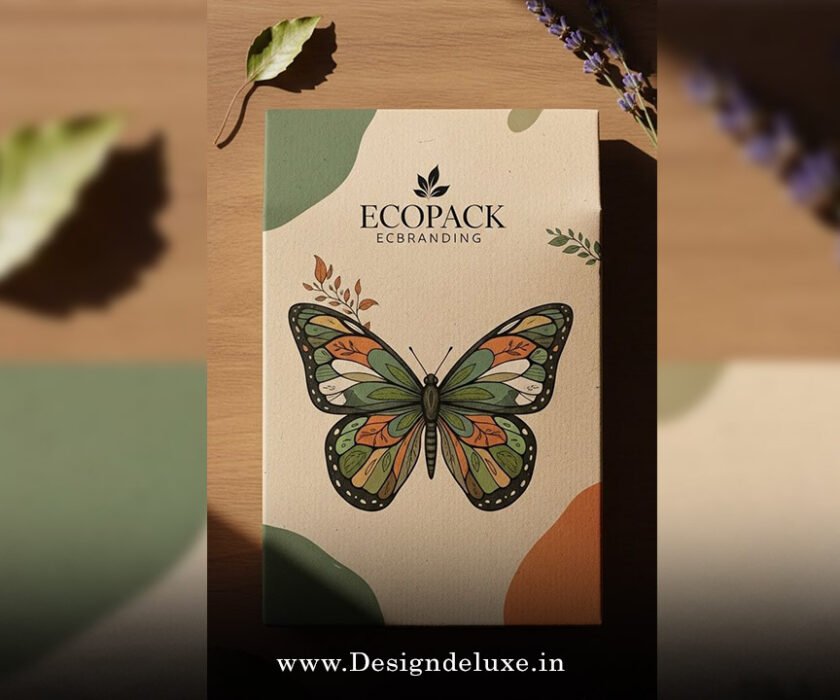
Paper-based, recyclable, and refillable formats lead the charge. Brands ditch excess plastic for compostable alternatives and smart refill pouches. This isn’t just eco-posturing—it’s demanded by regs and shoppers alike.
Tactile and Sensory Experiences
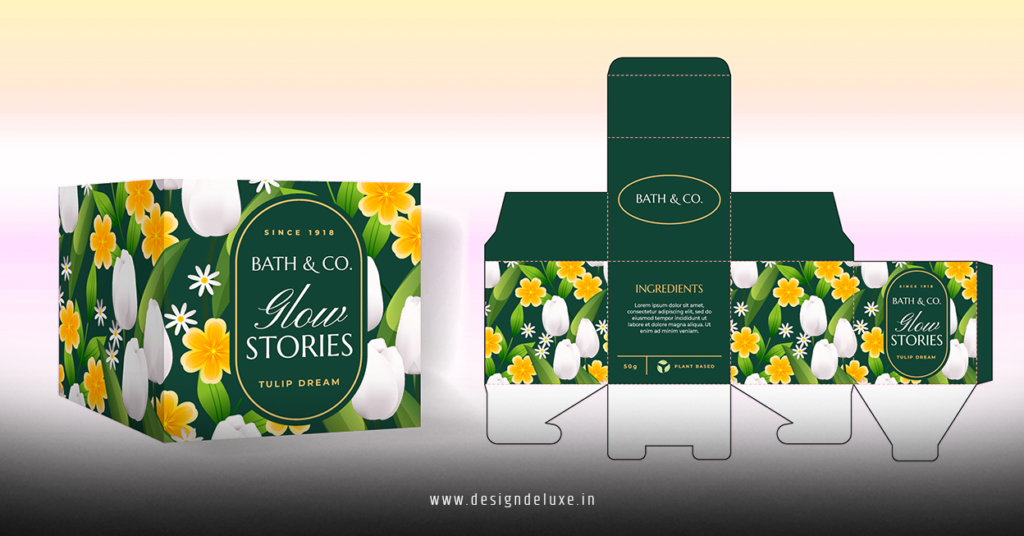
Think embossing, soft-touch coatings, and unexpected textures. Packaging that feels as good as it looks drives unboxing shares and premium perception. Glow-in-the-dark or color-shifting elements add delight without complexity.
Minimalism with Soul
Clean geometry meets cultural storytelling. Less clutter, more meaning. Vintage nods and regional art create emotional hooks while keeping production simple.
Smart and Adaptive Packaging
QR codes, NFC, and AR unlock extra content. This is where AI adaptive 3D logo design motion graphics packaging 2026 shines—dynamic logos that respond to lighting, angle, or device for seamless physical-to-digital transitions.
Inclusive and Accessible Design
Larger fonts, high-contrast colors, easy-open features. Packaging works for everyone, expanding your market without extra SKUs.
| Trend | Key Benefit | Implementation Difficulty | 2026 Impact |
|---|---|---|---|
| Fiber-First Circular | High recyclability, lower carbon | Medium | Shelf standout + compliance |
| Tactile Sensory | Emotional connection, shares | Low-Medium | Premium feel on mass market |
| Smart/AR Adaptive | Interactive storytelling | Medium-High | Digital boost + data collection |
| Inclusive Design | Broader appeal | Low | Reduced returns, loyalty |
| Lightweight Minimalism | Cost & shipping savings | Low | Efficiency without boring |
Step-by-Step: Updating Your Packaging with 2026 Trends
Ready to act? Here’s the practical playbook I’d run with a client.
- Audit What You Have
Map current packaging against trends. Score sustainability, accessibility, and tech readiness. Identify quick wins like adding QR codes. - Define Your North Star
Align with brand values and audience. Beauty? Go sensory. Food? Emphasize freshness and minimal waste. Tech? Lean into adaptive 3D elements. - Ideate with Tools
Use AI generators for rapid mockups. Test fiber materials and textures virtually before physical samples. - Prototype and Test
Print small runs. Run AR previews. Gather real user feedback on openability, appeal, and scannability. - Refine for Scale
Optimize for production realities—flat shipping, retail stacking, cost per unit. Ensure variants stay on-brand. - Launch and Measure
Track sales lift, social mentions, return rates. Iterate quarterly as tools and regs evolve.
Start with one hero product. Momentum builds fast.
Common Mistakes & How to Fix Them
- Greenwashing vibes. Vague claims backfire. Fix: Be specific with certifications and transparent end-of-life instructions.
- Over-designing. Flashy but unproducible. Fix: Involve manufacturers early.
- Ignoring mobile/AR. Pretty static design flops online. Fix: Build in adaptive layers from day one.
- One-size-fits-all. Cultural mismatches hurt. Fix: Localize key visuals while keeping core identity strong.
- Forgetting testing. Assumptions kill good ideas. Fix: Quick user tests beat internal opinions.
Push past the first shiny render. Real success lives in the refinements.
For solid motion design context, see Envato’s packaging trends overview. Dive deeper on sustainability at the Sustainable Packaging Coalition. And check DIELINE’s 2026 Trend Report for award-winning inspiration.
Key Takeaways
- Sustainability leads but pairs best with smart tech and human touches.
- [AI adaptive 3D logo design motion graphics packaging 2026] bridges physical and digital beautifully.
- Tactile elements create memorable experiences worth sharing.
- Accessibility widens your audience and builds trust.
- Efficiency in structure saves money without sacrificing impact.
- Test relentlessly—market feedback trumps trends.
- Integration beats isolated tactics every time.
- Early movers gain lasting shelf and screen advantage.
Packaging done right in 2026 doesn’t just protect products. It elevates brands and delights customers from first glance to last use.
Grab your top product line, pick two trends that fit tight, and run a fast prototype. The difference shows up in sales and smiles.
FAQs
What are the biggest packaging design trends for 2026?
Fiber-first sustainability, sensory tactile finishes, smart AR integration, inclusive accessibility, and adaptive 3D elements top the list. They work together to deliver function, emotion, and compliance.
How does AI fit into modern packaging design trends?
AI speeds up ideation and enables adaptive features like responsive logos and motion graphics. It pairs perfectly with human strategy for scalable, personalized packaging.
Is sustainable packaging more expensive in 2026?
Not always. Fiber innovations and efficient designs often lower long-term costs through reduced waste, better compliance, and stronger consumer preference.