E-Commerce
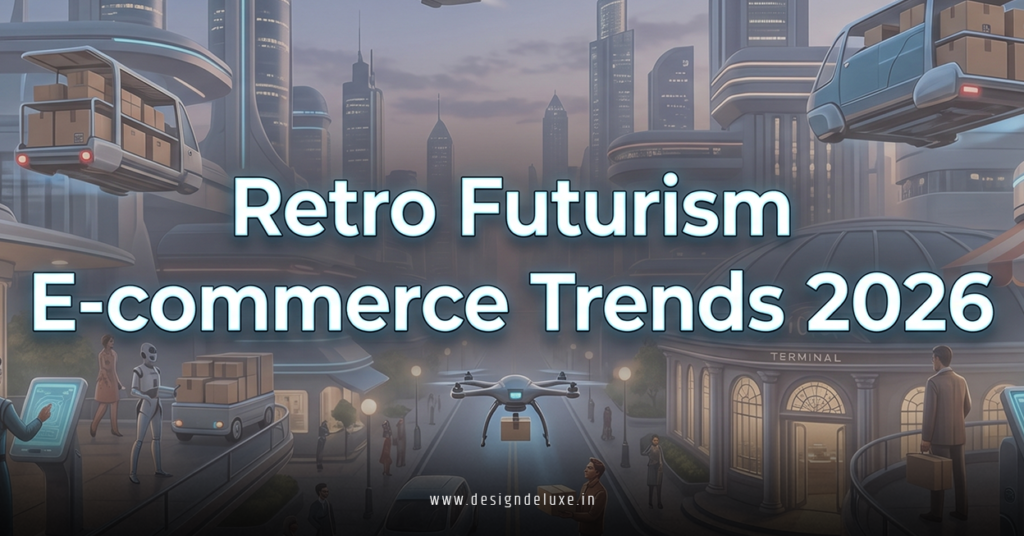
Retro Futurism E-commerce Trends 2026 is reshaping how online stores look, feel, and sell. Nostalgic chrome accents meet sleek digital interfaces. Brands stand out in crowded feeds while sparking that “I need this” feeling.
- Retro futurism pulls 1950s-1980s sci-fi visions into modern shopping experiences with neon grids, metallic typography, and animated holographics.
- It drives higher engagement on product pages, banners, and ads by blending familiarity with innovation.
- In 2026, expect more immersive sites where products float in virtual showrooms or text glitches with futuristic flair before revealing offers.
- This trend pairs perfectly with AI personalization, making stores feel both timeless and cutting-edge.
Shoppers crave experiences that cut through algorithmic sameness. Retro Futurism E-commerce Trends 2026 delivers exactly that.
Why Retro Futurism Is Exploding in E-commerce Right Now
The style mixes yesterday’s optimism about tomorrow with today’s tech. Think vaporwave palettes, raygun gothic layouts, and cassette futurism navigation menus. It feels playful yet premium.
What usually happens is this: a standard Shopify store gets a glow-up. Subtle scan lines on hover. Products that orbit gently in 3D viewers. Suddenly, browsing feels like stepping into a classic sci-fi flick.
Brands in fashion, gadgets, beauty, and home goods are leaning in hard. The aesthetic signals creativity and forward thinking without alienating mainstream buyers.
Bold typography web design banner ads and retro futurism motion graphics for e-commerce powers much of this shift, turning static pages into living experiences.
Core Elements Defining Retro Futurism E-commerce Trends 2026
Chrome textures on buttons. Atomic patterns in backgrounds. Bold, condensed fonts that evoke old terminal displays but scale perfectly on mobile.
Motion graphics bring it alive: floating orbs for cart icons, text that types itself like an old CRT, or products emerging from digital wormholes.
Color palettes blend hot pinks, electric blues, and metallic silvers with deep blacks for contrast. The result? Designs that pop on every device.
Retro Futurism vs. Other 2026 Design Approaches
| Style | Key Vibe | E-commerce Strength | Best Use Case | Performance Edge |
|---|---|---|---|---|
| Retro Futurism | Nostalgic sci-fi optimism | High visual storytelling | Hero banners, product reveals | Strong emotional connection |
| Minimalist | Clean, spacious | Fast loading | Luxury basics | High conversion on trust |
| Maximalist/Chaos | Bold, layered overload | Viral social appeal | Fashion drops | High shareability |
| Frutiger Aero Revival | Soft gradients, bubbles | Approachable feel | Wellness brands | Good accessibility |
Retro futurism wins for brands wanting memorable identity in competitive niches.
Step-by-Step: Apply Retro Futurism to Your Store
Beginners, start small. Intermediates, go deeper.
- Audit your current site. Identify hero sections and banners. Note where visuals feel flat.
- Pick your sub-vibe. Atomic age for clean tech? Cassette futurism for music or retro gaming gear?
- Update typography. Swap in variable fonts with chunky weights. Animate headlines for impact.
- Incorporate motion. Use Lottie files or CSS for lightweight animations. Keep loops short.
- Build key pages. Redesign product displays with floating elements and subtle grids. Add retro scan effects on images.
- Test relentlessly. Run A/B tests on load speed, engagement, and conversions. Tools like Google Optimize still deliver quick insights.
What I’d do? Launch one collection page first. Measure time on page before expanding.
Common Pitfalls and Quick Fixes
Too much chrome everywhere? It turns gimmicky fast. Fix: Use metallic accents sparingly as highlights, not the whole palette.
Slow loading animations killing mobile performance? Fix: Optimize with modern web standards and test on real devices.
Forgetting accessibility? Retro fonts can reduce readability. Fix: Pair with clean sans-serifs for body text and maintain high contrast.
Ignoring the sell? Pretty doesn’t always convert. Fix: Tie every visual to a clear offer or benefit.
Advanced Plays for 2026 Success
Layer in AR try-ons wrapped in retro interfaces. Imagine virtual fitting rooms styled like 1960s space stations.
Combine with agentic AI—chatbots that appear as holographic assistants from the future.
Track emerging tools for easy implementation. Many no-code platforms now offer retro-futurist templates.
Key Takeaways
- Retro Futurism E-commerce Trends 2026 blend nostalgia with innovation for standout branding.
- Bold visuals and motion graphics boost engagement without sacrificing speed.
- Start with typography and banners, then expand to full site experiences.
- Balance aesthetics with usability and strong calls-to-action.
- Test everything—trends only win when they drive sales.
- This style levels the playing field for smaller brands against big players.
- Pair it with current tech like AI personalization for maximum impact.
- The future of shopping looks back to move forward.
Retro Futurism E-commerce Trends 2026 gives your brand a distinct personality that feels exciting and human. It turns browsers into loyal fans.
Dive in today. Pick one element to refresh this week and watch the difference. Your store’s next chapter starts with a glowing, chrome-tinged bang.
FAQs
What makes Retro Futurism E-commerce Trends 2026 different from standard design trends?
It specifically revives past visions of the future with modern tech, creating emotional depth that generic minimalism lacks.
How can small businesses implement Retro Futurism without big budgets?
Focus on free tools like Figma, open fonts, and lightweight animations. One well-executed banner campaign can make a huge impact.
Does Retro Futurism work with AI-driven e-commerce features?
Yes. Holographic AI assistants and personalized recommendations styled in retro interfaces create memorable, cohesive experiences.