Brand PackagingDESIGN
Artisan chocolate packaging design for luxury gift boxes stands out by turning a simple container into an unforgettable first impression. It blends premium materials, thoughtful structure, and sensory details that match the craftsmanship inside.
- What it is: Custom boxes using rigid boards, elegant finishes, and protective inserts tailored for high-end chocolates.
- Why it matters: In a crowded market, standout packaging drives perceived value, protects delicate products, and boosts gifting appeal—especially for holidays, corporate rewards, and special occasions in the USA.
- Key benefits: Enhanced unboxing experience, better shelf presence, and alignment with 2026 sustainability demands.
- Current edge: Brands win when they mix luxury tactile elements with eco-conscious choices.
The right design doesn’t just hold chocolates. It tells a story before anyone takes a bite.
Why Artisan Chocolate Packaging Design for Luxury Gift Boxes Wins in 2026
Consumers expect more than pretty paper. They want packaging that feels as special as the product. Luxury gift boxes for artisan chocolates now focus on texture, minimalism with impact, and real sustainability.
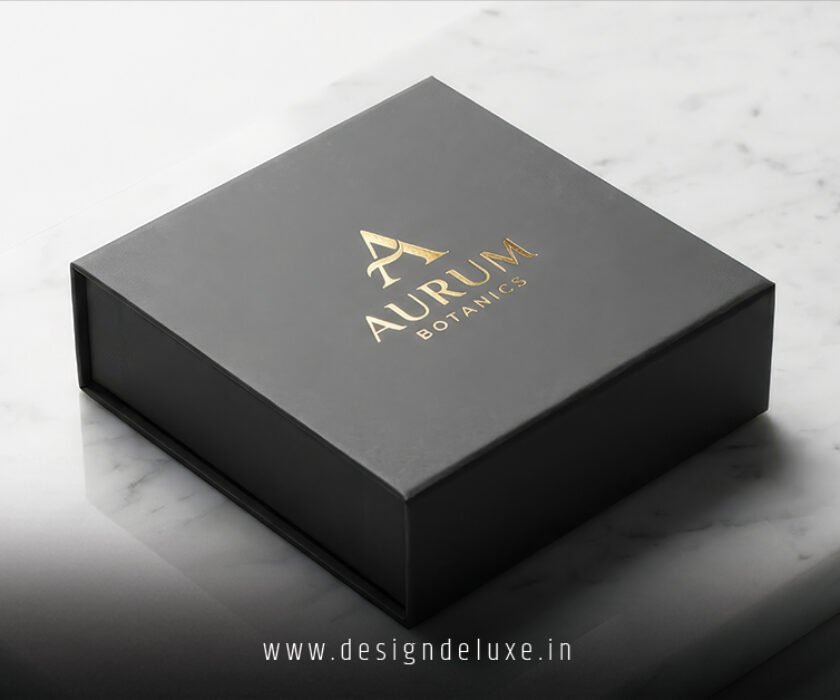
Rigid boxes dominate. Magnetic closures, soft-touch laminates, and subtle foil accents create that premium heft without excess bulk. Think matte blacks, deep chocolates, and metallic golds that catch light just right. Yet the smartest makers avoid overkill. They lean into authenticity—hand-drawn illustrations or simple embossing that signals small-batch care.
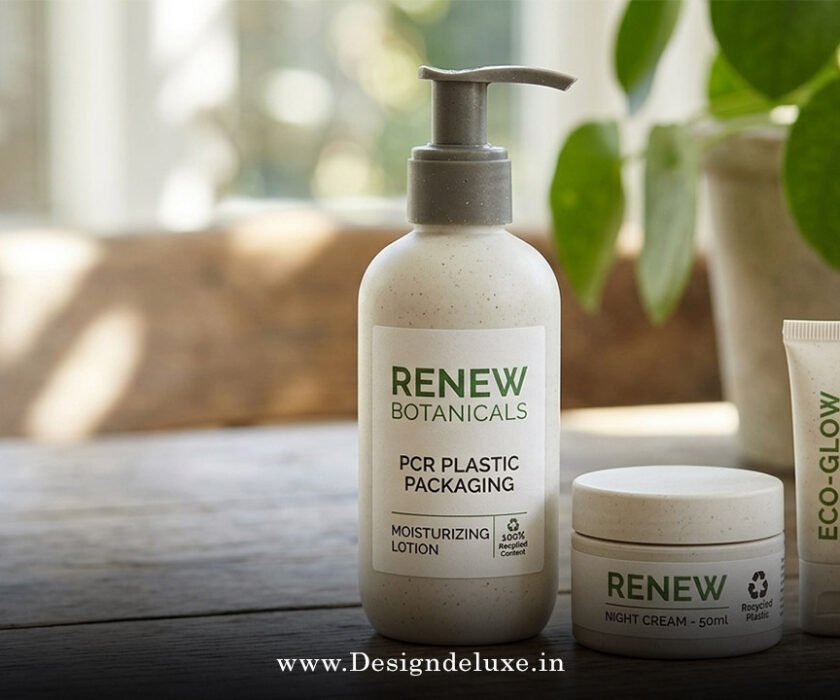
Sustainability isn’t optional anymore. Shoppers in the US check for recyclable or compostable features. FSC-certified papers and plastic-free windows keep the elegance while meeting expectations.
Here’s the thing: Great packaging sells the experience twice—once on the shelf and again when the recipient opens it.
Core Elements of Standout Artisan Chocolate Packaging Design for Luxury Gift Boxes
Focus on these building blocks:
Materials: Rigid greyboard (1200-1500gsm) for structure. Pair with FSC-certified wraps, molded pulp inserts, or biodegradable trays. Avoid anything that melts near chocolate or adds unnecessary weight.
Structure: Multi-compartment layouts, drawer-style reveals, or lift-off lids. Window cutouts let the chocolates tease without exposure.
Finishes: Embossing, debossing, spot UV, and hot foil stamping. These add dimension that photos can’t capture.
Color and Graphics: Deep, rich palettes—burgundies, forest greens, metallics. Minimal text with plenty of white space. Or go bold with artistic patterns that reflect bean origins.
One fresh analogy: Think of the box like a velvet curtain before a theater performance. It builds anticipation without stealing the show from the chocolates.
Materials Comparison Table
| Material Option | Pros | Cons | Best For | Approx. Cost Impact (per 100 units, 2026 est.) |
|---|---|---|---|---|
| Rigid Greyboard + FSC Paper Wrap | Strong protection, premium feel, recyclable | Heavier for shipping | High-end gift sets | Medium-High |
| Molded Pulp Inserts + Soft-Touch Laminate | Eco-friendly, custom fit, shock absorption | Limited color options | Sustainable luxury lines | Medium |
| Magnetic Closure Boxes with Foil Accents | Dramatic unboxing, reusable | Higher production cost | Corporate & holiday gifting | High |
| Compostable Films/Windows | Meets regulations, modern appeal | Can lack crystal clarity | Eco-conscious brands | Medium |
Costs vary by volume and supplier. Small runs (under 500) often run 30-50% higher per unit than bulk. Always prototype.
Step-by-Step Guide: Creating Your First Artisan Chocolate Packaging Design for Luxury Gift Boxes
Beginners, start simple. Scale up as you learn.
- Define Your Story: What makes your chocolate unique? Single-origin? Vegan? Heritage recipe? Let that guide every choice.
- Sketch the Structure: Decide on box size. Allow space for inserts that prevent shifting. Factor in USPS and courier dimensions to control shipping costs.
- Choose Materials: Consult suppliers early. Test for temperature resistance—chocolate hates heat.
- Design Visually: Hire a pro or use tools like Adobe Illustrator. Keep artwork print-ready with bleed and safe zones.
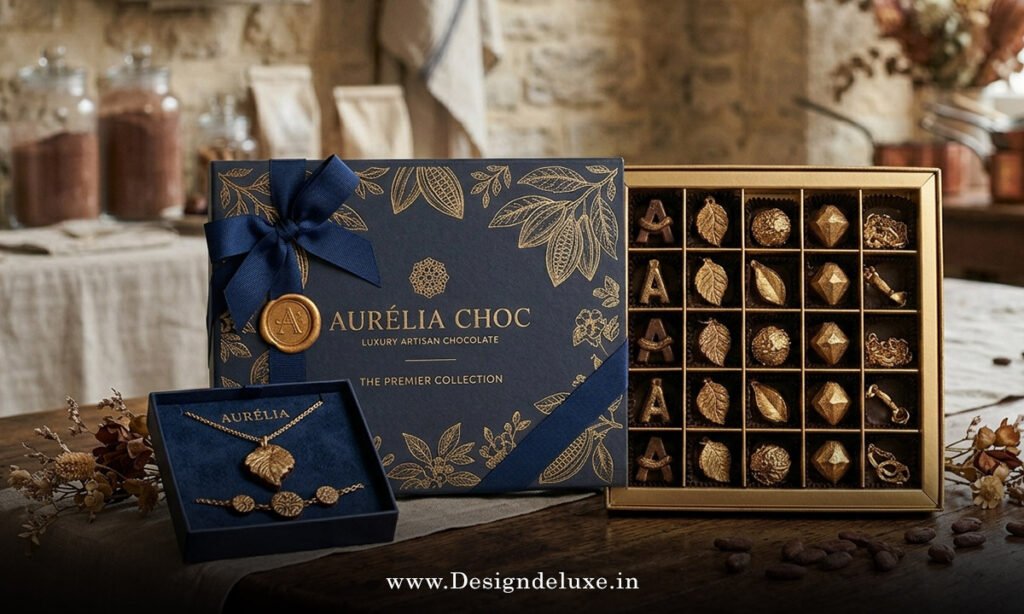
- Add Sensory Touches: Ribbons, wax seals, or a small thank-you card. These turn one-time boxes into keepsakes.
- Prototype and Test: Order samples. Ship them across states. Check for melting, scuffs, or opening issues.
- Refine Based on Feedback: Show to potential customers. What excites them? What feels cheap?
What I’d do if starting fresh today? Prioritize magnetic rigid boxes with blind embossing. Skip loud logos—let the materials speak. Test three color variants minimum.
Common Mistakes & How to Fix Them
Even seasoned teams trip up. Here’s what usually happens:
- Over-designing: Too many elements create visual noise. Fix: Ruthlessly edit. One hero graphic and strong typography win.
- Ignoring Protection: Beautiful outside, crushed chocolates inside. Fix: Always use custom inserts and run drop tests.
- Sustainability Theater: Claiming “green” without proof. Fix: Get real certifications. Consumers research fast.
- Bad Printing Specs: Blurry logos or cut-off text. Fix: Work with experienced printers and demand physical proofs.
- Forgetting the Back Panel: All focus on front. Fix: Treat every side as important—ingredients, story, QR code to your site.
- Poor Sizing for Shipping: Oversized boxes kill margins. Fix: Design for efficiency from day one.
Catch these early and you save serious money and reputation.
Trends Shaping Artisan Chocolate Packaging Design for Luxury Gift Boxes Right Now
Personalization surges. Limited-edition sleeves or engraved elements make gifts feel bespoke.
AR integration appears more. Scan the box for a video story about the cacao farm.
Lightweight luxury rises—premium without bulk. This cuts shipping costs while keeping the wow factor.
Reusable designs thrive. Boxes that become jewelry holders or desk organizers extend brand life.
For more on sustainable sourcing, check the Forest Stewardship Council guidelines.
How to Budget and Source Smartly
Expect $2–$12 per unit depending on complexity and quantity. Design fees run $1,500–$5,000 for custom work. Factor in tooling for dies and stamps.
Partner with US manufacturers when possible for faster turnaround and lower tariffs. Always request food-safe certifications.
Key Takeaways
- Artisan chocolate packaging design for luxury gift boxes elevates perceived value and protects your product.
- Rigid structures with tactile finishes deliver the strongest luxury signal in 2026.
- Sustainability must be genuine—FSC, recyclable, minimal plastic.
- Prototyping saves headaches. Test shipping and unboxing rigorously.
- Balance beauty with function. The best designs feel as good as they look.
- Personal touches like custom inserts or notes create emotional connection.
- Avoid common pitfalls by planning for print, protection, and logistics upfront.
- Start small, iterate fast, and let your unique chocolate story guide decisions.
Master this and your gift boxes won’t just deliver chocolate. They’ll deliver delight.
Ready to level up? Audit your current packaging against these points, then mock up one new concept this week. The brands that invest here see the biggest returns in loyalty and premium pricing power.
What’s holding your packaging back right now?
FAQs
How does artisan chocolate packaging design for luxury gift boxes impact sales?
It boosts perceived value significantly. Customers often choose based on unboxing appeal, especially for gifts. Strong design can justify 20-40% higher price points when executed well.
What materials work best for artisan chocolate packaging design for luxury gift boxes in hot US climates?
Rigid boards with good insulation properties plus tempered chocolate handling. Opt for breathable papers and avoid plastics that trap heat. Always test in real shipping conditions.
Can small brands afford high-end artisan chocolate packaging design for luxury gift boxes?
Yes. Start with shorter runs of magnetic rigid boxes or upgraded sleeves. Many US suppliers offer minimums under 250 units. Focus investment on key finishes rather than full custom tooling initially.