Social Media AdvertisingAd'sBrand PackagingE-Commerce
High ROI Instagram carousel ads for e-commerce packaging brands turn scrollers into buyers by showcasing your boxes, mailers, and custom designs in a swipeable story that screams premium protection and unboxing joy. These ads consistently outperform single images because they let you hit multiple pain points and desires in one unit—durability, aesthetics, sustainability, and that perfect fit for the product inside.
Why they crush it for packaging brands right now:
- Higher engagement — Carousels keep eyes on your ad longer, feeding the algorithm positive signals.
- Storytelling power — Show the packaging journey from flat ship to branded reveal.
- Lower CPA potential — When done right, they drive 10-30% better conversion metrics than static creatives in e-commerce.
- Visual proof — Perfect for demonstrating material quality, print details, and size variations that photos alone can’t sell.
Packaging isn’t just protection anymore. It’s your brand’s first physical handshake with the customer. Carousel ads let you sell that experience before they even add to cart.
Quick Wins with High ROI Instagram Carousel Ads for E-commerce Packaging Brands
- Hook fast — Card 1 grabs attention with a stunning unboxing or hero product shot.
- Build desire — Middle cards highlight features, eco-credentials, or customization options.
- Close strong — Final cards drop social proof, pricing, or a clear CTA.
- Target smart — Focus on e-commerce owners, DTC founders, and product managers searching for sustainable or luxury packaging.
- Test relentlessly — One strong carousel can 2-3x your ROAS compared to basic image ads.
Why Carousel Ads Beat Other Formats for Packaging in 2026
The data doesn’t lie. Carousel ads deliver solid CTRs around 0.8-1.6% in feed placements for e-commerce, often with stronger downstream conversions because users self-qualify by swiping.
Here’s the thing: Single images show one angle. Carousels let you prove value across dimensions—literally. For packaging brands, this means showing the box flat, assembled, in use, with different print options, and customer testimonials in one seamless flow.
Meta’s own guidance reinforces cohesive visuals across cards for better performance. Use the same lighting and style so swipes feel natural, not jarring.
| Format | Avg. CTR (Feed) | Typical CPA Range (E-comm) | Best Use for Packaging Brands | ROAS Potential |
|---|---|---|---|---|
| Static Image | 0.8-1.1% | Higher | Quick awareness | 2-4x |
| Carousel | 1.2-1.6% | Lower | Feature deep-dive & storytelling | 4-8x+ |
| Video/Reels | 1.5%+ | Variable | Emotional unboxing | 3-7x |
| Collection | Varies | Mid | Catalog browsing | 4-6x |
Benchmarks synthesized from 2025-2026 industry reports. Actual results depend on creative, audience, and offer.
Step-by-Step: Launching Your First High-ROI Campaign
What I’d do if I were starting fresh today:
- Define the goal — Go for conversions or catalog sales. Avoid traffic objectives unless you’re warming a new audience.
- Build the creative — Start with 4-6 cards. Card 1: Jaw-dropping hero shot with bold benefit (“Custom boxes that make your brand unforgettable”). Card 2-4: Details, materials, sizes, sustainability. Final card: Testimonial or limited offer.
- Set up in Ads Manager — Use manual carousel for storytelling or dynamic/catalog for scale if you have hundreds of SKUs. Square 1:1 format still rules for feed.
- Audience targeting — Layer interests like “e-commerce,” “DTC brands,” “product packaging,” plus lookalikes from past buyers. Location: USA, age 25-55, business owners or managers.
- Budget and bidding — Start at $50-100/day per ad set. Use lowest cost or cost cap bidding once you have data. Expect CPMs in the $8-15 range for well-targeted packaging creatives in the US.
- Landing page — Send to a dedicated Shopify collection or custom page that matches the carousel story. Speed and mobile optimization are non-negotiable.
- Track everything — Pixel + Conversions API for accurate attribution. Monitor swipe rate, CTR, and add-to-cart separately.
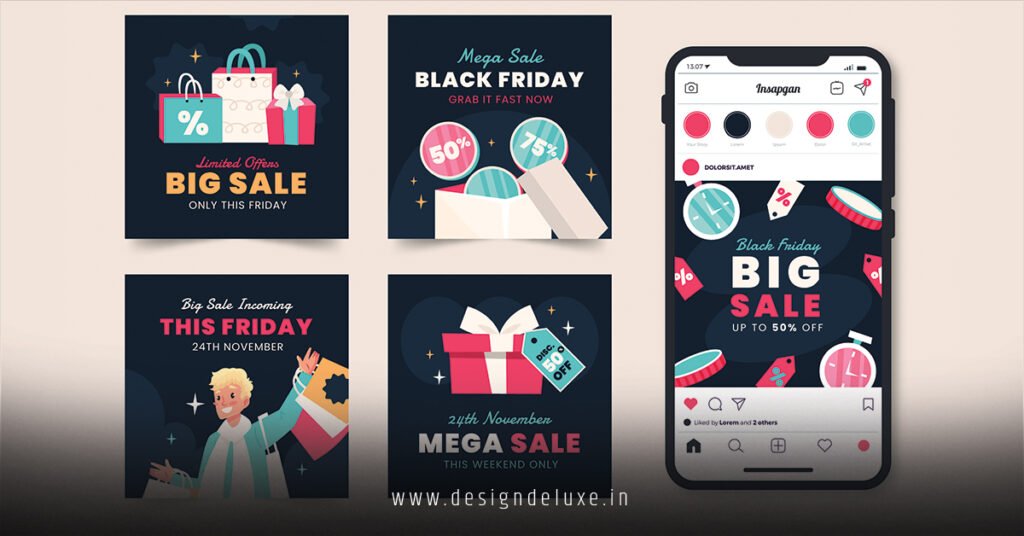
Pro Tips That Separate Winners from the Rest
Focus your first card on the emotional win—the beautiful branded package arriving at a customer’s door. Save specs for later cards.
Use high-quality mockups or real photography. Blurry renders kill trust. Test short video clips in cards for extra engagement.
Incorporate user-generated content. A customer unboxing your mailer beats studio shots for conversion.
Rhetorical question: Why show one box when you can prove the entire experience in 5 swipes?
For sustainability-focused brands, dedicate a full card to recycled materials, carbon impact, or compostable options with clear icons.
Common Mistakes & How to Fix Them
- Too many cards — 10 cards overwhelm. Stick to 3-6. Fix: Ruthlessly edit to the strongest story.
- Inconsistent design — Swipes feel choppy. Fix: Same color palette, fonts, and photo style across all.
- Weak first card — High bounce before the value shows. Fix: Test 3-5 hook variations.
- No clear offer — People swipe but don’t convert. Fix: End with discount, free shipping, or sample kit CTA.
- Ignoring mobile — Most views happen on phones. Fix: Preview on actual devices.
- Set-it-and-forget-it — Algorithms and audiences shift. Fix: Refresh creatives every 2-4 weeks.
What usually happens is brands launch one carousel and wonder why it flops. The winners test variations like crazy—different hooks, CTAs, and audience segments.
Measuring True ROI Beyond Vanity Metrics
Look at ROAS (aim for 4x+ at scale), customer acquisition cost versus lifetime value, and repeat purchase rate from packaging buyers. Many packaging brands see strong backend metrics because great packaging drives better reviews and unboxing shares.
External resources worth checking:
- Meta’s official carousel best practices for platform rules.
- Industry benchmarks from trusted ad intelligence sources.
- E-commerce case studies on platforms like Packlane for packaging-specific inspiration.
Key Takeaways
- High ROI Instagram carousel ads for e-commerce packaging brands excel at storytelling what static ads can’t.
- Nail the first card and maintain visual flow for maximum swipes and conversions.
- 3-6 cards work best—more isn’t always better.
- Combine product shots, benefits, proof, and offer in sequence.
- Test, measure ROAS, and iterate fast.
- Target e-comm decision-makers with pain around shipping damage or bland branding.
- Dynamic carousels scale beautifully once your catalog feed is clean.
- Creative quality beats budget every single time.
Bottom line: Stop treating packaging as an afterthought in your ads. Make it the hero. When you show how your boxes elevate the entire customer experience, the returns follow. Start with one tight carousel this week, track the numbers, and scale what works. Your next big order pipeline might just come from a few well-crafted swipes.
FAQs
How many cards should I use in high ROI Instagram carousel ads for e-commerce packaging brands?
Aim for 4-6. Enough to tell the story without losing attention. Three cards can work for simple offers; seven+ risks drop-off.
What budget do I need to test high ROI Instagram carousel ads for e-commerce packaging brands?
Start with $300-500 spread over 5-7 days. This gives the algorithm learning data while letting you test 2-3 creative variations.
Do high ROI Instagram carousel ads for e-commerce packaging brands work better than Reels?
They serve different purposes. Carousels win for detailed consideration and feature education. Reels dominate top-of-funnel awareness and emotional hooks. Run both in the same campaign.