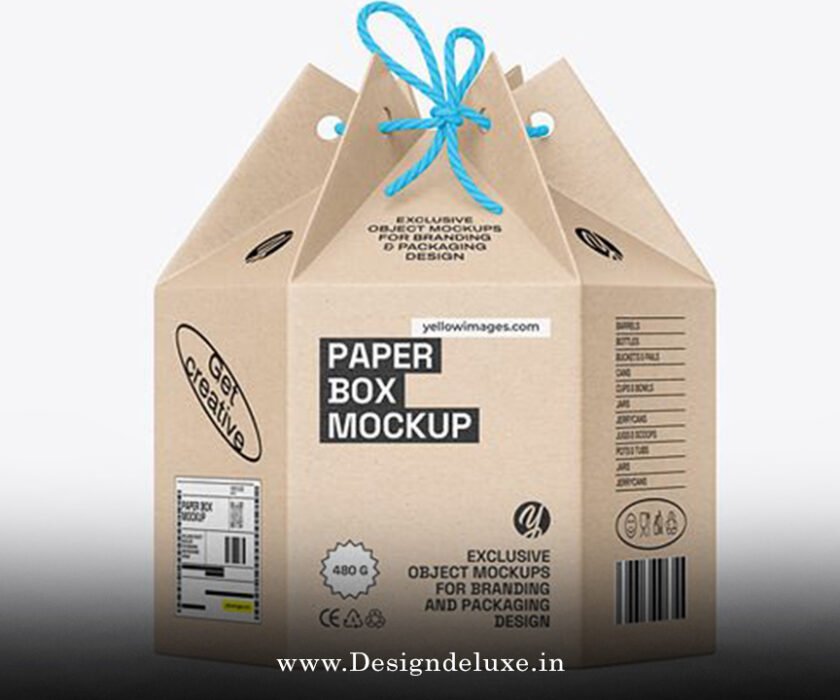
Brand Packaging
Microplastic-free sustainable packaging for clean beauty advertising represents one of the most transformative shifts in the cosmetics industry today. As consumers become increasingly conscious about what they’re putting on their skin and what they’re putting into our planet, the demand for genuinely eco-friendly beauty products has skyrocketed. But here’s the thing—it’s not just about having a product that’s good for you; it’s about the entire journey from creation to disposal, and that journey begins with packaging.
The beauty industry has long been a culprit when it comes to environmental degradation. Millions of tonnes of packaging waste end up in landfills each year, and many conventional beauty products contain microplastics that slip through water systems and wreak havoc on marine ecosystems. It’s a problem that demands attention, innovation, and a fundamental reimagining of how we approach beauty product packaging.
This article explores microplastic-free sustainable packaging for clean beauty advertising in depth, examining why it matters, how brands are innovating, and what you need to know as a conscious consumer or beauty entrepreneur.
Understanding Microplastics in Beauty Products: The Hidden Problem
What Are Microplastics and Why Are They in Beauty Products?
Let me paint a picture for you: you’re using your favorite exfoliating scrub, and you think you’re doing something wonderful for your skin. Those tiny beads feel refreshing, right? Well, many of those beads are actually microplastics—tiny plastic particles smaller than 5 millimetres. They’ve been lurking in cleansers, toothpastes, and cosmetics for decades, silently causing environmental damage while we remained largely unaware.
Microplastics were added to beauty products primarily for their physical exfoliating properties. Manufacturers liked them because they were inexpensive, effective, and easy to incorporate into formulations. What they didn’t consider—or perhaps chose to ignore—was that these tiny particles don’t biodegrade. They don’t vanish. Instead, they wash down our drains, escape water treatment systems, and accumulate in our oceans and soil.
The problem is staggering. Studies have found microplastics in fish, birds, and even in human blood. They’ve become so pervasive that we’re essentially living in a world where plastic particles have infiltrated every ecosystem. And the beauty industry? It’s been a significant contributor to this problem.
The Environmental Impact of Traditional Beauty Packaging
Beyond microplastics, traditional beauty packaging itself is an environmental nightmare. Most conventional cosmetic containers are made from non-recyclable plastics or multi-layered materials that can’t be separated for recycling. A typical beauty routine for one person might generate dozens of plastic containers annually. Multiply that by billions of consumers worldwide, and you’re looking at an incomprehensible amount of waste.
Here’s what really gets me: many of these containers are used for just weeks or months before being discarded, yet they’ll persist in landfills for hundreds of years. It’s like we’re trading convenience for planetary disaster, and that’s a bargain that simply doesn’t work anymore.
The Rise of Microplastic-free Sustainable Packaging for Clean Beauty Advertising
Why Brands Are Making the Switch
The shift towards microplastic-free sustainable packaging for clean beauty advertising isn’t just happening because consumers are demanding it—though they absolutely are. It’s happening because forward-thinking brands recognize that sustainability is no longer a nice-to-have feature; it’s becoming a necessity for business longevity and brand loyalty.
Millennials and Gen Z consumers actively research brands before purchasing. They’re reading labels, checking certifications, and making purchasing decisions based on environmental values. Studies show that over 70% of millennials are willing to pay more for sustainable products. That’s not a niche market; that’s mainstream consumer behavior.
Brands that embrace microplastic-free sustainable packaging for clean beauty advertising gain several competitive advantages. They build trust with environmentally conscious consumers, differentiate themselves from competitors still using conventional practices, and position themselves as innovators in an industry desperately needing innovation.
How Clean Beauty Brands Define “Clean”
Here’s where it gets interesting. “Clean beauty” means different things to different brands, but the best definitions encompass several key elements. First, clean beauty products exclude harmful chemicals—think parabens, sulfates, synthetic fragrances, and phthalates. Second, they emphasize natural or naturally derived ingredients. Third, and critically for our discussion, they prioritize clean packaging that’s free from microplastics and made from sustainable, recyclable, or compostable materials.
When a brand commits to microplastic-free sustainable packaging for clean beauty advertising, they’re making a holistic statement about their values. They’re saying: “We care about what goes on your skin, we care about how we package it, and we care about the planet we all share.”
Innovative Materials Revolutionizing Beauty Packaging
Biodegradable and Compostable Alternatives
Let’s talk about the game-changers. One of the most exciting developments in beauty packaging is the emergence of truly biodegradable materials. Companies are now experimenting with packaging made from seaweed, mushroom mycelium, and plant-based polymers. These aren’t just feel-good alternatives; they’re legitimately functional packaging solutions that decompose naturally without leaving toxic residue.
Seaweed packaging, for instance, is completely edible and dissolves in water. Mushroom-based materials are surprisingly durable and offer insulation properties that protect delicate beauty products. These innovations demonstrate that sustainable doesn’t mean sacrificing quality or performance.
Glass and Metal: The Timeless Classics
Glass and metal remain some of the most reliable sustainable packaging materials. Glass is infinitely recyclable—it can be melted down and reformed without degrading in quality, essentially forever. Metal, similarly, is 100% recyclable and doesn’t require sorting or special processing like some plastics do.
Many premium clean beauty brands have reverted to glass containers and metal tins for their microplastic-free sustainable packaging for clean beauty advertising campaigns. It’s a nostalgic move that also happens to be one of the most sustainable choices available. Plus, there’s something luxurious about glass and metal that appeals to consumers; it signals quality and care.
Refillable and Reusable Container Systems
Perhaps the most innovative approach to microplastic-free sustainable packaging for clean beauty advertising involves moving away from single-use containers altogether. Brands like Kjaer Weiss and Ilapothecary have introduced refillable systems where customers purchase durable containers once and then refill them with concentrate or powder products.
This approach reduces waste exponentially. Instead of manufacturing a new plastic container for every purchase, consumers use the same container repeatedly, creating a circular economy rather than a linear one. It’s a subtle shift that has profound environmental implications.
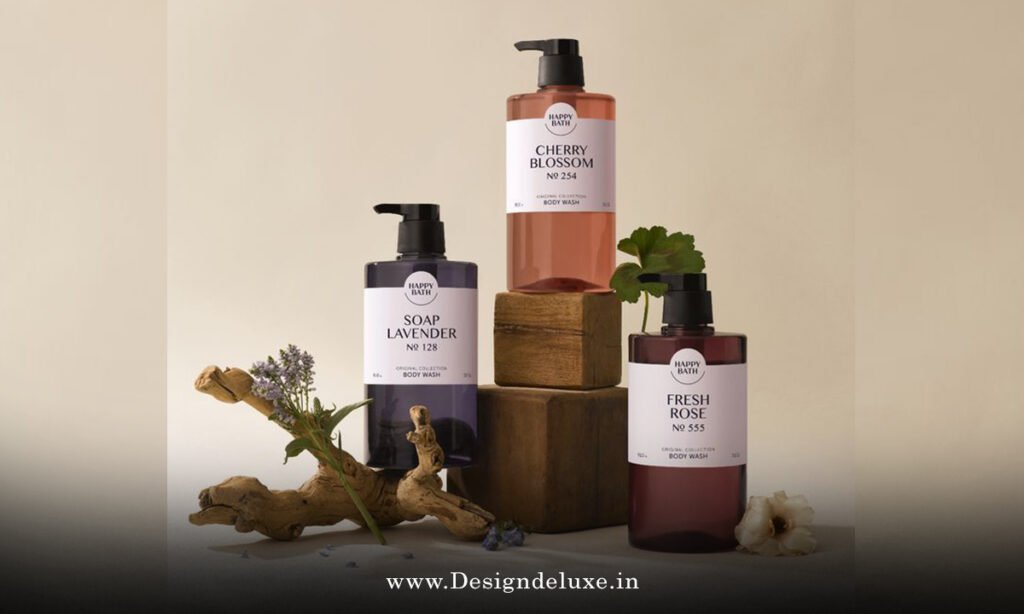
Marketing the Message: Authenticity in Clean Beauty Advertising
Building Trust Through Transparency
When a brand commits to microplastic-free sustainable packaging for clean beauty advertising, the marketing message must be authentic. Greenwashing—making false or exaggerated environmental claims—has become rampant in the beauty industry, and consumers are wise to it. They’ve developed a keen skepticism that rewards genuine commitment and punishes empty promises.
The most effective clean beauty advertising includes concrete information. Which specific materials are used? Can they be recycled or composted? How many times can the container be reused? Does the brand offset its carbon footprint? These details transform vague “eco-friendly” claims into verifiable facts that build credibility.
Storytelling That Resonates
Humans are story creatures. We’re moved by narratives that connect our values to our actions. Successful microplastic-free sustainable packaging for clean beauty advertising tells stories about why the brand made this choice, who benefits from it, and what impact it has.
Some brands share the journey of their development process—the failed experiments, the breakthroughs, the partnership with environmental organizations. Others highlight the impact on marine life or show before-and-after imagery of ocean cleanup efforts funded by their sustainability initiatives. These stories create emotional connections that transcend the transactional nature of typical advertising.
Certifications and Third-Party Validation
In an industry cluttered with dubious claims, certifications from recognized third parties become invaluable. When a brand’s microplastic-free sustainable packaging for clean beauty advertising can point to certifications from organizations like Leaping Bunny, Cradle to Cradle, or the Sustainable Packaging Coalition, it immediately gains credibility.
These certifications represent rigorous testing and verification. They’re not marketing claims; they’re badges of legitimacy that consumers can trust. Smart brands prominently feature these certifications in their advertising, on their websites, and on product packaging.
Consumer Behavior and the Demand for Sustainable Beauty
The Generational Shift in Beauty Consumption
The demand for microplastic-free sustainable packaging for clean beauty advertising stems from a fundamental generational shift in values. Younger consumers have grown up with climate change awareness, social media activism, and visible environmental degradation. They’ve learned that individual choices aggregate into systemic change.
What’s fascinating is that this isn’t performative for most consumers. They genuinely want to make purchases that align with their values. A survey by IBM found that 62% of consumers worldwide would change their consumption habits to reduce environmental impact. In beauty specifically, that number is even higher.
The Price Premium Question
Here’s a reality check: sustainable packaging often costs more than conventional alternatives. Compostable materials, glass containers, and innovative refillable systems typically increase production costs. This raises a critical question: will consumers pay more for microplastic-free sustainable packaging for clean beauty advertising?
The answer, surprisingly, is yes—but with caveats. Consumers will pay a premium if they perceive authentic value and genuine commitment. They won’t pay more for products that look the same as conventional offerings but claim to be sustainable. The sustainability must be visible, verifiable, and aligned with the overall brand narrative.
This is why successful clean beauty brands don’t just upgrade their packaging; they reimagine their entire business model around sustainability, creating value propositions that justify premium pricing.
Challenges and the Path Forward for Microplastic-free Sustainable Packaging for Clean Beauty Advertising
Infrastructure and Recycling Reality
Here’s something that doesn’t get discussed enough: sustainable packaging is only as good as the infrastructure that handles it after purchase. Compostable materials are fantastic—unless your city doesn’t have commercial composting facilities. Recyclable packaging is wonderful—unless recycling programs in your region can’t process it.
For microplastic-free sustainable packaging for clean beauty advertising to truly succeed, we need parallel infrastructure development. Brands, municipalities, and governments must collaborate to create systems where sustainable packaging can actually reach end-of-life treatment facilities designed for it.
Some innovative brands are addressing this by establishing take-back programs where customers return empty containers for proper composting or recycling. It’s an elegant solution that combines convenience with accountability.
Cost Reduction and Scalability
As sustainable materials scale, production costs will decrease. This is the natural trajectory of industrial innovation. What costs three times more today might cost 1.5 times more in five years. For microplastic-free sustainable packaging for clean beauty advertising to become the norm rather than the exception, this cost reduction is essential.
Investment in research and development is accelerating. Venture capital is flooding into green technology, and major beauty conglomerates are acquiring sustainable beauty brands and integrating their innovations across their portfolios. The market forces are aligning to make sustainable packaging the default option.
Regulatory Evolution
Government regulations are catching up to consumer demand and scientific evidence. The European Union has banned microplastics in cosmetics starting in 2023. Other countries are following suit. Simultaneously, regulations around packaging material recyclability and composition are becoming stricter.
For brands committed to microplastic-free sustainable packaging for clean beauty advertising, these regulatory changes are actually advantageous. They raise the bar across the entire industry, eliminating the competitive advantage that cheaper, unsustainable practices once provided. Suddenly, all brands must compete on innovation and quality, not just on cost.
Case Studies: Brands Leading the Charge
Natural, Minimalist Packaging Success Stories
Several brands exemplify what’s possible when microplastic-free sustainable packaging for clean beauty advertising is executed with genuine commitment. These brands don’t just talk about sustainability; they’ve redesigned their entire operations around it.
Take, for example, brands that have eliminated packaging entirely or reduced it to the absolute minimum. Some offer refillable powders in cardboard containers. Others have developed dissolvable packaging or products in solid form that require no packaging at all. These innovations prove that creativity and sustainability aren’t mutually exclusive; they’re often prerequisites for each other.
The Future of Beauty Packaging and Advertising
Emerging Technologies and Materials Science
The future of microplastic-free sustainable packaging for clean beauty advertising will be shaped by emerging technologies that most of us have barely heard of yet. Lab-grown materials, mycelium leather alternatives, and bioplastics derived from agricultural waste represent the frontier of packaging innovation.
Imagine packaging made from agricultural byproducts—leftover crop material that would otherwise be burned or left to decompose. It sounds like science fiction, but companies are already making this a reality. These innovations will make sustainable packaging not just better for the environment but potentially cheaper and more efficient than conventional alternatives.
Consumer Education and Responsibility
As brands commit to microplastic-free sustainable packaging for clean beauty advertising, consumer education becomes increasingly important. Consumers need to understand how to properly dispose of or reuse their packaging. They need to recognize greenwashing and demand transparency. They need to understand the difference between marketing claims and genuine sustainability.
Brands that invest in educating their customers—through social media, blogs, packaging inserts, and customer service—build more loyal communities. These customers become brand advocates who understand and can articulate why the brand’s approach matters.
Conclusion
Microplastic-free sustainable packaging for clean beauty advertising represents far more than a marketing trend or a response to regulatory pressure. It reflects a fundamental transformation in how we think about the beauty industry, environmental responsibility, and corporate ethics.
The shift from conventional packaging to sustainable alternatives isn’t without challenges. It requires investment, innovation, infrastructure development, and a willingness to reconsider business models that have served companies well for decades. But the trajectory is clear: brands that embrace this transition early will inherit customer loyalty and market leadership in an industry increasingly defined by environmental consciousness.
For consumers, the takeaway is straightforward: your purchasing power matters. Supporting brands that prioritize microplastic-free sustainable packaging for clean beauty advertising sends a market signal that drives industry-wide change. You’re not just buying a product; you’re voting for the future you want to see.
The beauty industry is evolving. Packaging that once seemed permanent and necessary is being reimagined. Brands once considered radical for avoiding microplastics are becoming mainstream. And somewhere in a laboratory or startup office, the next major innovation in sustainable beauty packaging is being developed.
The future of beauty isn’t just about looking good; it’s about feeling good about what you’re using and how it impacts the world. Microplastic-free sustainable packaging for clean beauty advertising embodies that philosophy, and it’s here to stay.
External Resources for Further Reading
- Ellen MacArthur Foundation’s Circular Economy Principles – Learn how circular design in microplastic-free sustainable packaging for clean beauty advertising creates regenerative systems.
- European Commission Ban on Microplastics in Cosmetics – Understand the regulatory landscape driving change in sustainable packaging regulations worldwide.
- Ocean Wise’s Guide to Sustainable Seafood and Environmental Protection – Explore the broader environmental context of why microplastic-free sustainable packaging for clean beauty advertising matters for ocean health.
Frequently Asked Questions
1. What exactly are microplastics, and why should I avoid them in beauty products?
Microplastics are tiny plastic particles smaller than 5 millimeters that are used in many beauty products as exfoliating agents. They don’t biodegrade and accumulate in oceans and soil, harming marine life and potentially entering the human food chain. When choosing microplastic-free sustainable packaging for clean beauty advertising products, you’re avoiding contributing to this environmental accumulation and supporting brands that care about planetary health.
2. Is sustainable packaging more expensive, and does it affect product quality?
Sustainable packaging can cost more initially, but quality shouldn’t suffer. In fact, many sustainable materials like glass and metal provide superior protection for products compared to conventional plastics. As sustainable materials scale, costs decrease. Many consumers find that paying slightly more for microplastic-free sustainable packaging for clean beauty advertising is worth the environmental impact and product quality benefits.
3. How can I verify that a brand’s sustainability claims are genuine?
Look for third-party certifications from recognized organizations like Leaping Bunny, Cradle to Cradle, or the Sustainable Packaging Coalition. Read detailed information about materials, recyclability, and disposal methods on the brand’s website. Be skeptical of vague claims like “eco-friendly” without specifics. Genuine brands commit to transparency, and microplastic-free sustainable packaging for clean beauty advertising should be backed by verifiable facts.
4. What happens to recyclable and compostable packaging after I dispose of it?
Recyclable materials like glass and metal are processed at recycling facilities and reformed into new products. Compostable materials break down at commercial composting facilities into natural substances. However, infrastructure varies by location. Some brands offer take-back programs to ensure proper handling. Always check local guidelines for your area, as microplastic-free sustainable packaging for clean beauty advertising is only truly sustainable if your region has the infrastructure to process it properly.
5. Are refillable beauty products as convenient as traditional packaged products?
Refillable systems require one extra step—returning to the brand or refill station when your product runs out. This is slightly less convenient than single-use packaging, but many customers find the reduced waste worthwhile. Brands are improving convenience by offering home delivery for refills and developing user-friendly refilling mechanisms. For environmentally conscious consumers, microplastic-free sustainable packaging for clean beauty advertising through refillable systems represents a meaningful trade-off.