Logo DesignBrandBrand PackagingE-CommerceSocial Media Advertising
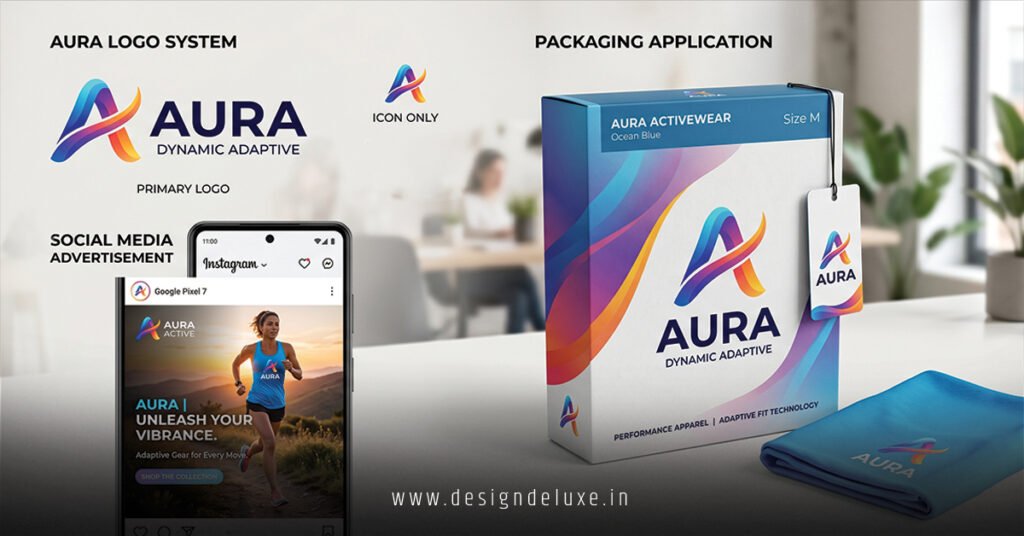
Dynamic adaptive logo design with packaging and social media ad kit for e-commerce brands 2026 delivers a complete, flexible branding system that actually works across every touchpoint where your customers meet your product.
It means one core identity that reshapes itself—full lockup on packaging, simplified mark for app icons, animated versions for ads—while staying instantly recognizable.
- What it includes: A versatile logo system with multiple variations, custom packaging templates optimized for unboxing and shelf appeal, and a ready-to-deploy social media ad kit with templates, animations, and mockups.
- Why it matters now: E-commerce in 2026 runs on speed, mobile, and consistency. Static assets get lost in feeds and thumbnails. Adaptive systems cut design costs, speed up campaigns, and boost recognition.
- The payoff: Higher conversion rates, stronger brand recall, and assets that scale as your store grows without constant redesigns.
Dynamic adaptive logo design with packaging and social media ad kit for e-commerce brands 2026 solves the real headache most founders face: fragmented visuals that confuse customers and waste time.
Why Static Branding Fails E-Commerce Brands in 2026
Here’s the thing. Your logo lives on product pages, Instagram Reels, shipping boxes, and tiny favicons. One rigid version can’t excel everywhere.
Adaptive systems fix that. They include a primary mark, horizontal versions, icon-only marks, color variations, and motion assets. Packaging carries the identity into the physical world with layouts that photograph well for social proof. The ad kit supplies scroll-stopping creatives that match.
What usually happens is a new brand spends weeks approving a pretty logo, then scrambles for months creating separate files for every platform. The result? Inconsistent messaging and slower launches.
An integrated kit prevents that chaos from day one.
Key Elements of Dynamic Adaptive Logo Design with Packaging and Social Media Ad Kit for E-Commerce Brands 2026
Strong systems share these traits:
- Core logo with built-in flexibility: A mark that works in full color, monochrome, reversed, and simplified forms.
- Packaging integration: Designs that account for material constraints, lighting, and unboxing videos. Think minimal layouts with strong typography for quick shelf or thumbnail impact.
- Social ad kit: Pre-sized templates for Instagram, TikTok, Facebook, Pinterest—complete with hooks, animations, and placeholders for product shots.
The kicker is how these pieces reinforce each other. A logo that animates cleanly on ads looks premium when embossed on packaging.
Comparison of Branding Approaches
| Aspect | Static Logo Only | Full Adaptive Kit (2026) | Benefit of Adaptive Kit |
|---|---|---|---|
| Platforms Supported | 2-3 | 10+ (web, social, print, packaging) | Seamless everywhere |
| Time to Launch Campaign | 1-2 weeks | Hours | Faster testing |
| Cost Over 12 Months | High (repeated redesigns) | Lower after initial investment | Scalable savings |
| Brand Recognition | Moderate | High | Consistent recall |
| Unboxing/Social Share | Generic | On-brand, photogenic | Free user-generated content |
Step-by-Step Action Plan for Beginners
You don’t need a massive budget or agency to get started.
- Define your core identity: Pick one strong symbol or wordmark. Test it in black and white first. Does it hold up tiny? Bold?
- Build logo variations: Create full, stacked, icon, and horizontal versions. Include dark/light modes.
- Design packaging basics: Focus on structure first—protection, easy open, reusable elements. Then layer branding. Prioritize sustainability cues like recycled textures that photograph well.
- Create the social ad kit: Prepare 5-10 templates per platform. Include hooks (problem, testimonial, demo), CTAs, and animations. Use tools that export consistently.
- Test across contexts: Print mockups. Run small ad tests. Check how it looks on mobile vs desktop.
What I’d do if starting fresh today: Hire a designer for the core system, then use no-code tools for quick template variations. Outsource packaging prototypes to a specialist for real-world feedback.
Common Mistakes & How to Fix Them
- Mistake: Designing for desktop only.
Fix: Always test at mobile thumbnail size first. Simplify ruthlessly. - Mistake: Ignoring packaging photography.
Fix: Mock up unboxing videos early. Ensure logos and text remain legible under typical lighting. - Mistake: Inconsistent ad creatives.
Fix: Lock in brand colors, fonts, and logo placement rules in the kit. Create strict guidelines. - Mistake: Overly complex marks.
Fix: Ask: Would this work as a 32×32 pixel favicon? If not, strip it back.
Brands that skip testing pay for it later with weak performance and costly revisions.
Packaging That Sells on Arrival
In 2026, packaging isn’t just protection—it’s your best billboard and content creator.
Minimalist designs with bold typography dominate because they read fast in social videos and e-commerce thumbnails. Interactive elements like QR codes linking to AR experiences or care instructions add value without clutter.
Choose materials that feel premium yet align with your sustainability story. Customers share experiences that match the brand promise.
For deeper reading on emerging materials and structures, check resources from Dieline for award-winning packaging inspiration.
Building Your Social Media Ad Kit That Converts
Great ads don’t just look good—they move.
Include short video loops of your logo, product transitions, and user scenarios. Provide static versions with smart text overlays.
Dynamic adaptive logo design with packaging and social media ad kit for e-commerce brands 2026 shines here because every asset pulls from the same system. No mismatched fonts or colors killing trust.
Test variations aggressively. What stops the scroll? A clear benefit in the first second usually wins.
Explore proven strategies at Shopify’s marketing resources for e-commerce creative benchmarks.
Advanced Tips from the Trenches
Think modular. Your logo system should feel like a family of assets, not random files.
In my experience, brands that treat branding as a living system iterate faster and stay fresh longer. One fresh analogy: Your brand identity is like a versatile wardrobe. The core pieces mix and match for any occasion without looking sloppy.
Ask yourself: Does my current logo system make launching a new product exciting or exhausting?
Key Takeaways
- Dynamic adaptive logo design with packaging and social media ad kit for e-commerce brands 2026 future-proofs your visual identity across digital and physical worlds.
- Flexibility beats perfection. Multiple versions beat one “perfect” static mark.
- Packaging and ads must feel like the same brand—consistency drives trust and shares.
- Start simple, test relentlessly, and scale what works.
- Budget for the full system upfront to save time and money later.
- Sustainability and shareability in packaging create free marketing.
- Motion elements in ads and logos capture attention in crowded feeds.
- Regular audits keep your kit performing as platforms evolve.
Dynamic adaptive logo design with packaging and social media ad kit for e-commerce brands 2026 gives you speed, consistency, and standout presence.
The next step? Audit your current assets against the points above. Identify the biggest gap—logo variations, packaging, or ad templates—and tackle it this week. Strong branding compounds. Weak branding leaks revenue daily.
FAQs
How much should a dynamic adaptive logo design with packaging and social media ad kit for e-commerce brands 2026 cost?
Expect $3,000–$12,000+ depending on complexity and designer expertise. Beginners can start cheaper with templated systems and customize later. Factor in packaging prototypes separately.
Can small e-commerce brands afford this in 2026?
Yes. Many tools now let you build solid adaptive systems without huge upfront costs. Focus on core logo + 2-3 packaging options + basic ad templates first. Scale as revenue grows.
How do I maintain consistency with a dynamic system?
Create a simple brand guide documenting usage rules for each variation. Review assets quarterly and update the kit when platforms change.