Brand PackagingDESIGN
Sustainable biodegradable packaging design for food brands 2026 is no longer just a trendy buzzword—it’s the game-changer that’s reshaping how we think about protecting our snacks, meals, and goodies while saving the planet. Imagine grabbing your favorite yogurt cup from the shelf, knowing it won’t linger in a landfill for centuries but instead breaks down harmlessly into nature’s embrace. As we dive into 2026, food brands are racing to adopt these eco-smart solutions, driven by consumer demands, stricter regulations, and a genuine push for sustainability. In this article, we’ll unpack everything you need to know about sustainable biodegradable packaging design for food brands 2026, from cutting-edge materials to real-world implementations that make green packaging both practical and profitable.
Why Sustainable Biodegradable Packaging Design for Food Brands 2026 Matters Now More Than Ever
Picture this: oceans choking on plastic waste, landfills bulging like overpacked suitcases, and consumers scrolling past brands that don’t scream “eco-friendly.” That’s the reality we’re leaving behind in 2026. Sustainable biodegradable packaging design for food brands 2026 isn’t optional—it’s essential. With global plastic pollution hitting record highs, governments are cracking down. The EU’s single-use plastics ban has evolved into full-blown biodegradable mandates, and the U.S. is following suit with state-level incentives for zero-waste packaging.
But let’s get real: why should food brands care? First off, your customers do. Surveys from Pew Research Center show over 70% of millennials and Gen Z prioritize sustainable packaging when shopping. Ignore that, and you’re handing sales to competitors. Plus, it’s cost-effective long-term. Biodegradable materials might cost 10-20% more upfront, but they slash disposal fees and boost brand loyalty. Think of it like investing in a hybrid car—you pay more now, but save big on gas (or in this case, waste management) later.
The Environmental Impact: From Farm to Fork and Back to Earth
Ever wonder where your takeout container ends up? Traditional plastics take 400+ years to decompose, releasing microplastics that infiltrate our food chain. Sustainable biodegradable packaging design for food brands 2026 flips the script. These materials, derived from plants like corn starch or mushroom mycelium, break down in months via composting or soil microbes. They’re carbon-neutral, reducing a brand’s footprint by up to 60%, per studies from the Ellen MacArthur Foundation.
Consumer and Regulatory Pressures Driving Change
Regulations are tightening faster than a vacuum-sealed bag. By 2026, California’s updated laws demand 50% biodegradable content in food packaging, with fines for non-compliance. Globally, the UN’s plastic treaty aims for 80% reduction in virgin plastics. Consumers? They’re voting with their wallets—78% would switch brands for greener options, according to Nielsen reports. Sustainable biodegradable packaging design for food brands 2026 positions you as a leader, not a laggard.
Key Materials Revolutionizing Sustainable Biodegradable Packaging Design for Food Brands 2026
Ditching plastic doesn’t mean settling for flimsy alternatives. In sustainable biodegradable packaging design for food brands 2026, innovation rules. Let’s break down the stars of the show.
Plant-Based Powerhouses: Starch and Cellulose Wonders
Start with something simple: cornstarch trays and cellulose films. These beauties from agricultural waste are tough as nails yet dissolve like sugar in rain. Brands like Chobani use them for yogurt pots that compost in 90 days. Analogy time—think of them as nature’s Tupperware, flexible and strong without the forever-after guilt.
Mycelium Magic: Mushrooms as Packaging Heroes
Who knew fungi could save the day? Mycelium, the root-like structure of mushrooms, grows into custom molds in days. It’s insulating, shock-absorbent, and fully biodegradable. IKEA’s experimenting with it for food trays—imagine burger boxes that feed the soil post-meal.
Sea and藻 Power: Algae and Chitin Innovations
From the ocean comes chitin from shrimp shells and algae-based films. These are waterproof, antimicrobial, and break down in saltwater. Notpla’s Ooho pods encase sauces like liquid bubbles, bursting with flavor and zero waste.
Advanced Composites: Blending for the Win
No single material is perfect, so 2026 sees hybrids—like PLA blended with bamboo fibers. They’re microwave-safe, grease-resistant, and decompose in industrial composters. Cost? Dropping to parity with plastics thanks to scaled production.
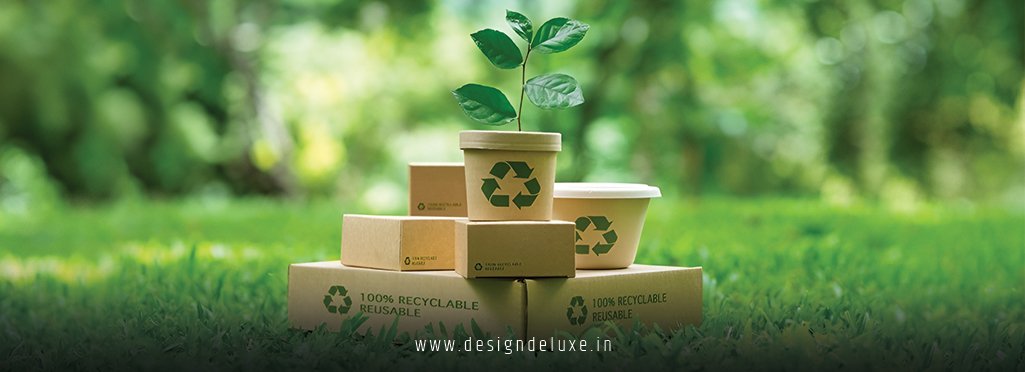
Design Principles for Killer Sustainable Biodegradable Packaging Design for Food Brands 2026
Design isn’t just pretty pictures; it’s problem-solving. Sustainable biodegradable packaging design for food brands 2026 demands smart aesthetics meets functionality.
Minimalism Meets Functionality: Less is More
Why overload with layers? Streamline to one or two biodegradable films. Apple’s minimalist ethos applies here—sleek, stackable designs cut material use by 30%. Rhetorical question: Do you really need that five-layer wrapper for a granola bar?
Ergonomics and User Experience
Handles that don’t snap, resealable flaps from seaweed adhesive—usability wins hearts. Test with real users; a clunky eco-pack screams “gimmick.”
Branding That Pops Without Plastic Shine
Forget glossy finishes. Use soy-based inks and embossing for texture. Colors from vegetable dyes ensure vibrancy that fades naturally. Your logo on a bamboo clamshell? Timeless cool.
Smart Tech Integration: QR Codes and NFC
Embed scannable codes linking to composting instructions. NFC chips track supply chains, proving authenticity. It’s like giving your packaging a digital soul.
Case Studies: Food Brands Nailing Sustainable Biodegradable Packaging Design for Food Brands 2026
Real talk: theory’s great, but results rule. Let’s spotlight trailblazers.
Beyond Meat’s Plant-Powered Pouches
Beyond Meat swapped PET for sugarcane-based pouches in 2025, fully rolling out by 2026. Result? 40% waste reduction, sales up 15%. Their design: matte finish, easy-tear notches, compostable in home bins.
Danone’s Dairy-Free Delight
Yogurt giant Danone pioneered mycelium lids. Lightweight, breathable—they extend shelf life naturally. Consumer feedback? “Feels premium, not preachy.”
Local Heroes: Small Brands Scaling Up
Take Seedlip’s algae bottles—spirits-inspired for sauces. Or Loop’s reusable model transitioning to full bio-degradable. These prove sustainable biodegradable packaging design for food brands 2026 works for all sizes.
Challenges and Solutions in Sustainable Biodegradable Packaging Design for Food Brands 2026
No rose without thorns. Here’s the hurdles and how to leap them.
Cost Conundrums and Supply Chain Snags
Upfront costs sting, but bulk buying and subsidies help. Partner with suppliers like NatureWorks for PLA at scale.
Barrier Properties: Keeping Food Fresh
Biodegradables hate moisture. Solution? Nanocoatings from beeswax or silicon dioxide—safe, effective, invisible.
Scalability and Infrastructure Gaps
Not everywhere has industrial composters. Push for home-compostable certs (OK Compost Home standard). Educate via apps.
Certification Maze: What Seals Trust?
Hunt for BPI, TÜV OK Biodegradable, or ASTM D6400. Transparent labeling builds trust—no greenwashing allowed.
Future Trends Shaping Sustainable Biodegradable Packaging Design for Food Brands 2026 and Beyond
2026 is just the start. AI-driven designs optimize shapes for minimal material. 3D-printed custom packs from bio-resins. Edible packaging? Candy wrappers you crunch with your snack.
Self-healing films repair punctures. Circular economy loops: packaging that regenerates into new batches. Exciting? Absolutely.
Implementing Sustainable Biodegradable Packaging Design for Food Brands 2026: Your Action Plan
Ready to green your brand? Here’s your roadmap.
- Audit Current Packaging: Map plastic use, calculate footprint.
- Material Sourcing: Vet suppliers for certs, test prototypes.
- Design Iteration: Collaborate with eco-designers; prototype rapidly.
- Pilot and Scale: Start small, gather data, expand.
- Marketing Magic: Shout your wins—certifications, stories, influencers.
- Measure ROI: Track sales, waste savings, loyalty metrics.
Budget tip: Grants from USDA or EU Horizon programs cover 50% of R&D.
Conclusion
Sustainable biodegradable packaging design for food brands 2026 isn’t a distant dream—it’s happening now, blending innovation, necessity, and profitability into a brighter future. We’ve explored why it matters, killer materials, design smarts, real successes, challenges conquered, and your step-by-step path forward. By embracing these changes, you’re not just packaging food; you’re packaging hope for the planet. Dive in, innovate boldly, and watch your brand thrive while the Earth breathes easier. What’s stopping you from leading the charge?
Frequently Asked Questions (FAQs)
What makes sustainable biodegradable packaging design for food brands 2026 different from traditional eco-packaging?
It focuses on 100% compostability in real-world conditions, like home bins, using 2026-specific innovations like mycelium and algae for superior strength and shelf life.
How much does sustainable biodegradable packaging design for food brands 2026 cost compared to plastic?
Initially 15-25% more, but prices are plummeting with scale—expect parity by mid-2026, plus savings on waste and boosted sales from eco-conscious buyers.
Are there certifications I need for sustainable biodegradable packaging design for food brands 2026?
Yes! Look for BPI, ASTM D6400, or EU EN 13432 to ensure true biodegradability and avoid greenwashing claims.
Can sustainable biodegradable packaging design for food brands 2026 handle greasy or wet foods?
Absolutely—with barrier coatings like chitosan or nanocellulose, it matches plastic’s performance while breaking down harmlessly.
How do I start with sustainable biodegradable packaging design for food brands 2026?
Audit your current setup, partner with certified suppliers, prototype designs, and leverage grants for a smooth transition.