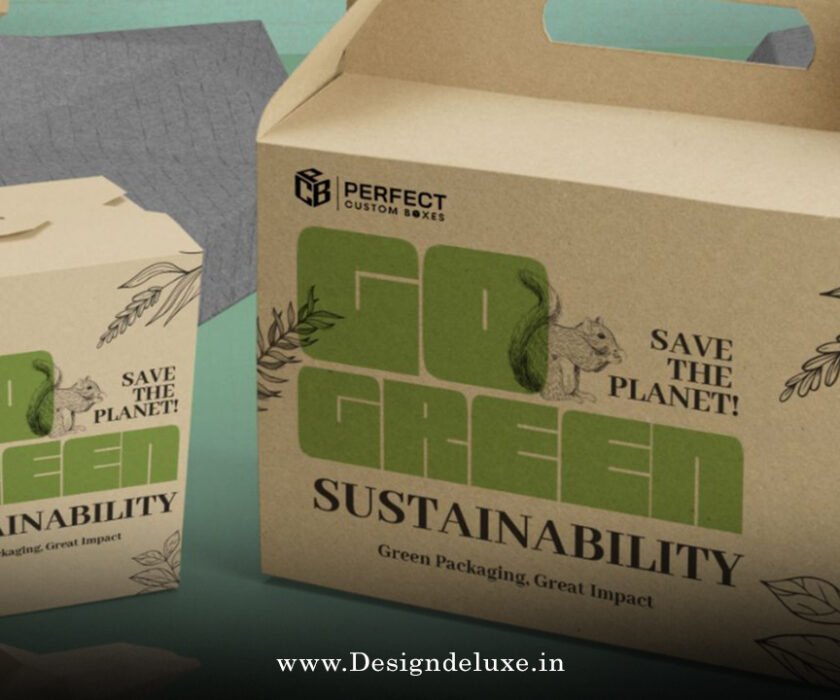
Eco-Friendly / SustainableBrand PackagingDESIGN
Sustainable Packaging 2026: Eco Design Trends is where materials, regulations, and real-world logistics finally meet. The short version: brands are being pushed to cut waste, simplify packaging, and prove those claims with data—not green vibes.
- Less material, smarter design is winning because it lowers cost, weight, and shipping emissions.
- Recyclability and compostability claims now need tighter proof and cleaner labeling.
- Mono-material structures, fiber-based alternatives, and refill models are moving from pilot to standard.
- AI-friendly, answer-ready packaging content matters because buyers and search engines want fast, clear explanations.
- In the U.S., compliance and EPR pressure are turning sustainable packaging from a nice-to-have into a business requirement.
If you’re building packaging in 2026, the real question is simple: does it reduce impact and survive the supply chain?
Sustainable Packaging 2026: Eco Design Trends in plain English
Sustainable packaging used to mean “use recycled content and call it a day.” Not anymore. In 2026, the best packaging is designed from the start to use fewer resources, travel efficiently, and fit existing recovery systems as cleanly as possible. Google’s SEO Starter Guide also reinforces the broader lesson here: content and packaging alike need to be unique, easy to understand, and up to date if you want trust and visibility.[15]
That shift is being driven by three forces. First, consumers still expect lower-waste options. Second, brands want lighter packs that reduce freight and material costs. Third, regulators and retailers are tightening the screws on recycling claims, labeling, and extended producer responsibility. For packaging teams, that means the old “eco-looking” box is dead. The new bar is performance.
Here’s the kicker: the most sustainable pack is often the one that uses less stuff in the first place.
| Eco design approach | Why it matters in 2026 | Main trade-off | Best fit |
|---|---|---|---|
| Lightweighting | Cuts material use, shipping weight, and often cost | Needs testing to avoid damage | E-commerce, CPG, shipping-heavy brands |
| Mono-material packaging | Improves recyclability and sorting | May limit barrier performance | Flexible packs, pouches, wraps |
| Fiber-based formats | Often easier for consumers to recognize and dispose of | Can struggle with moisture and grease | Dry goods, secondary packaging, transit packaging |
| Refill/reuse systems | Reduce single-use output over time | Requires consumer behavior change | Beauty, household, premium DTC |
What’s shaping Sustainable Packaging 2026: Eco Design Trends right now
The biggest trend is restraint. Brands are learning that sustainability is not about stacking features. It’s about subtracting waste. That means fewer mixed materials, fewer decorative extras, and fewer claims that can’t be defended.
Another major shift is the move toward packaging that works with current recovery systems instead of fighting them. That’s why mono-materials, clearer labeling, and simpler structures keep showing up in design meetings. At the same time, many teams are also betting on recycled content where it makes technical and supply-chain sense, while using fiber-based formats for outer packs and inserts.
In my experience, the brands that win do one thing well: they design packaging around the actual disposal path, not the marketing brief.
Sustainable Packaging 2026: Eco Design Trends by material and format
If you want a practical view, think in formats, not buzzwords. The material choice matters, but the structure matters just as much.
Sustainable Packaging 2026: Eco Design Trends by material
- Paper and molded fiber are still strong for shipping boxes, trays, and protective inserts, especially when the product is dry or low-moisture.
- Recycled plastic remains useful where durability and barrier performance are non-negotiable.
- Mono-material films and pouches are attractive because they can simplify recycling streams when designed correctly.
- Reuse-ready containers are gaining ground in categories where return logistics or refill purchase behavior already exist.
The Federal Trade Commission’s Green Guides remain the key U.S. reference point for avoiding misleading environmental marketing claims, so packaging claims need to be precise and supportable.[16] For teams working on packaging wording, that matters as much as the structure itself.
What I’d do if I were launching a new package in 2026
Start with the product, not the trend. A shampoo pouch, a snack bag, and a shipping carton do not have the same sustainability problem. Ask three blunt questions:
- What actually protects the product?
- What can the consumer dispose of correctly?
- What can the supply chain source reliably at scale?
If a design fails any of those, it is not ready. A pretty mockup is not a packaging strategy.
The EPA’s waste and recycling guidance is a useful reality check for figuring out what recovery systems can actually handle, not just what looks recyclable on the shelf.[17] Use that lens before you lock a format.
Step-by-Step Action Plan for beginners
- Define the packaging job.
List the product’s protection needs, shelf life, shipping stress, and retail/display requirements. - Pick the smallest viable format.
Remove excess layers, oversized headspace, and decorative add-ons that do not help the product. - Choose one recovery path.
Recyclable, compostable, refillable, or reusable—do not mix signals unless the system supports it. - Reduce material complexity.
Favor mono-material structures and limit glued-on components, mixed laminates, and unnecessary coatings. - Test performance early.
Run drop, moisture, barrier, and transport tests before you scale. - Write clean claims.
Make disposal instructions plain, specific, and legally defensible. - Review the full footprint.
Check sourcing, production, shipping, and end-of-life together. The lowest-impact material on paper is not always the best choice in practice.
Common Mistakes & How to Fix Them
- Mistake: Chasing “green” aesthetics instead of real impact.
Fix: Cut material first. Then validate recovery, durability, and cost. - Mistake: Using mixed materials that are hard to separate.
Fix: Rebuild around one dominant material wherever possible. - Mistake: Making vague recyclability claims.
Fix: Tie claims to specific formats and disposal instructions that match actual infrastructure. - Mistake: Ignoring the shipping footprint.
Fix: Lighter packaging often beats “premium” packaging that weighs more and ships poorly. - Mistake: Treating sustainability as a late-stage branding task.
Fix: Bring packaging, operations, legal, and procurement into the design process early. - Mistake: Assuming consumers know what to do.
Fix: Use simple on-pack language and clear symbols.
What Sustainable Packaging 2026: Eco Design Trends look like in practice
The best packaging teams are designing with three filters in mind: material efficiency, end-of-life clarity, and commercial reality. That’s it. Not every package needs to be compostable. Not every box needs a sustainability badge. And not every innovation should make life harder for the buyer, the warehouse, or the recycler.
Think of it like a relay race. If one runner—design, sourcing, production, shipping, or disposal—drops the baton, the whole sustainability story falls apart.
That’s why the smartest 2026 packaging programs are boring in the best way. Fewer materials. Clearer claims. Better fit. Less waste.
The FTC’s Green Guides are worth keeping close if your packaging copy includes environmental claims.[16] So is the EPA’s recycling and waste guidance when you are deciding what disposal path to recommend.[17] For broader packaging design and structure decisions, the Google Search Central SEO Starter Guide is a reminder that clarity, uniqueness, and freshness matter in how information is presented.[15]
Key Takeaways
- Sustainable Packaging 2026: Eco Design Trends is about reducing waste, simplifying structures, and proving claims.
- The strongest designs usually start with less material, not more technology.
- Mono-materials and fiber-based formats are still leading options, depending on product needs.
- Refill and reuse are growing, but only where consumer behavior and logistics support them.
- Packaging claims need to be specific, defensible, and aligned with real disposal systems.
- The most effective teams design around the actual end-of-life path, not just shelf appeal.
- Beginners should focus on product protection, material reduction, and clear labeling first.
- In 2026, sustainability is not a side project. It is part of packaging performance.
Sustainable packaging in 2026 is not about being the loudest eco brand in the room. It is about making sharper design choices that hold up in the real world. Start with the product, strip out the waste, and make the disposal story unmistakable.
FAQs
What is Sustainable Packaging 2026: Eco Design Trends?
It refers to the packaging design shifts shaping 2026, especially lighter structures, simpler materials, clearer disposal pathways, and packaging that reduces environmental impact without hurting performance.
Is recyclable packaging always the best choice in Sustainable Packaging 2026: Eco Design Trends?
No. Recyclable packaging only works if the material, format, and local recovery system align. In some cases, lighter packaging or a reuse model may deliver better overall results.
How should beginners start with Sustainable Packaging 2026: Eco Design Trends?
Begin by reducing material, picking one disposal path, testing durability early, and writing clear claims. That sequence avoids the most common and expensive mistakes.