Business & FinanceBrand
Small business branding guide is a term you’ve probably seen a lot, but turning that idea into a real, practical plan can feel messy. You might have a logo, a website, and a few social media posts, but nothing really matches, and new customers struggle to “get” who you are. In markets like the USA, UK, Australia, Singapore, and Dubai, where competition is high and attention spans are short, that hurts you more than you think. The good news is that branding doesn’t have to be complicated or expensive. It just needs to be clear, consistent, and aligned with what you want your business to stand for.
In this article, we’re going to be taking a look at this small business branding guide, and how you can build a simple, strong brand that supports your marketing and sales. If you would like to find out more, feel free to read on.
Pic – CC0 License
What branding really means for a small business
Let’s clear something up: branding is not just your logo. It’s the full experience people have with your business—the visuals, the tone of voice, the way you communicate, and how you make customers feel.
For a small business, branding is about being recognizable and trustworthy. When your colors, fonts, and messaging look and sound the same across your website, social media, emails, and offline materials, people start to remember you. A strong brand increases word-of-mouth, makes your marketing more effective, and can even justify higher prices because you feel more “premium” and reliable.
Step 1: Get clear on your brand foundations
Before you touch design tools, you need clarity. This small business branding guide starts with a few simple questions we should answer.
- Who are your ideal customers?
- What problem do you solve for them?
- How do you want them to feel when they interact with your brand?
- What makes you different from other options in your space?
Write this down. This becomes the base for your brand messaging and visual decisions. A helpful resource here is the brand positioning advice shared by marketing leaders on sites like HubSpot, which break down how to define your unique spot in the market in plain language. When you know who you are and who you serve, design choices become much easier.
Step 2: Create a basic brand kit
Every small business needs a simple brand kit. It doesn’t have to be fancy, but it does have to be clear.
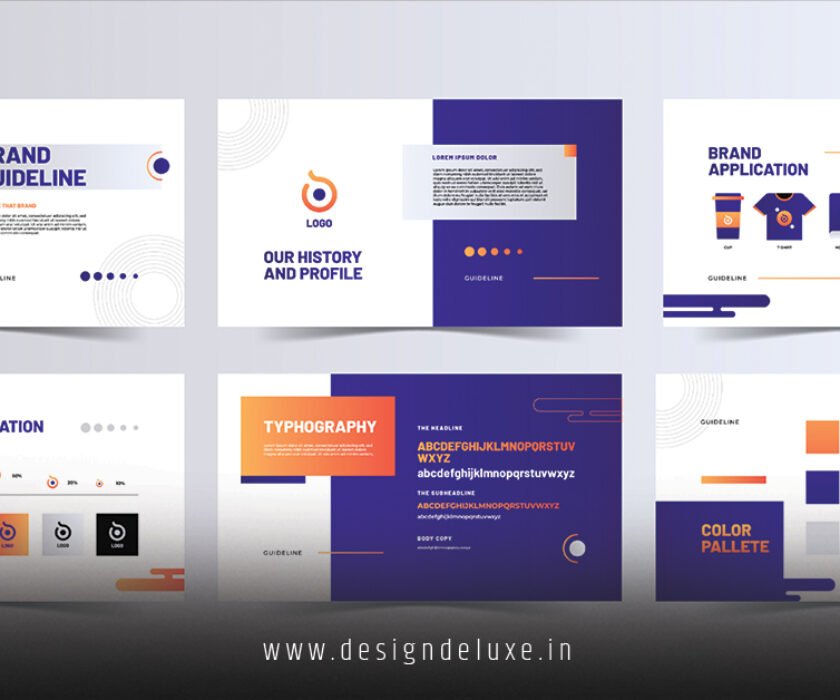
Your brand kit should include:
- One primary logo (and a simplified version for small spaces)
- 2–4 brand colors that work well together
- One main font for headings and one for body text
- A short description of your brand tone (friendly, professional, bold, etc.)
This kit will guide everything from your website to your flyers. If you already have some design pieces, run them through basic usability and readability checks using advice from places like the Nielsen Norman Group, which focuses on how people actually read and interact with digital content. The goal is simple: is it easy to understand, and does it feel like “you”?
Step 3: Connect branding to your online presence
Your brand doesn’t live on paper; it lives where your customers actually find you. That’s why we need to connect this small business branding guide directly to your online presence.
This is where professional website design, advertising banners and social media graphics for businesses come in. Your website should be the core expression of your brand kit: your colors, fonts, logo placement, and messaging all show up there first. Your advertising banners should use the same look and feel, with clear calls to action. And your social media graphics should feel like they belong to the same brand family—no random styles or colors “just for fun.” When all these pieces line up, your brand feels real and established, even if you’re still small.
Step 4: Plan how your brand “shows up” across channels
Branding isn’t a one-time event; it’s how you show up consistently over time. Let’s look at the main channels most small businesses use.
- Website: Clear navigation, consistent headings, and on-brand imagery.
- Social media: Profile images, covers, and post templates that match your brand kit.
- Email: Simple, branded templates for newsletters, offers, and updates.
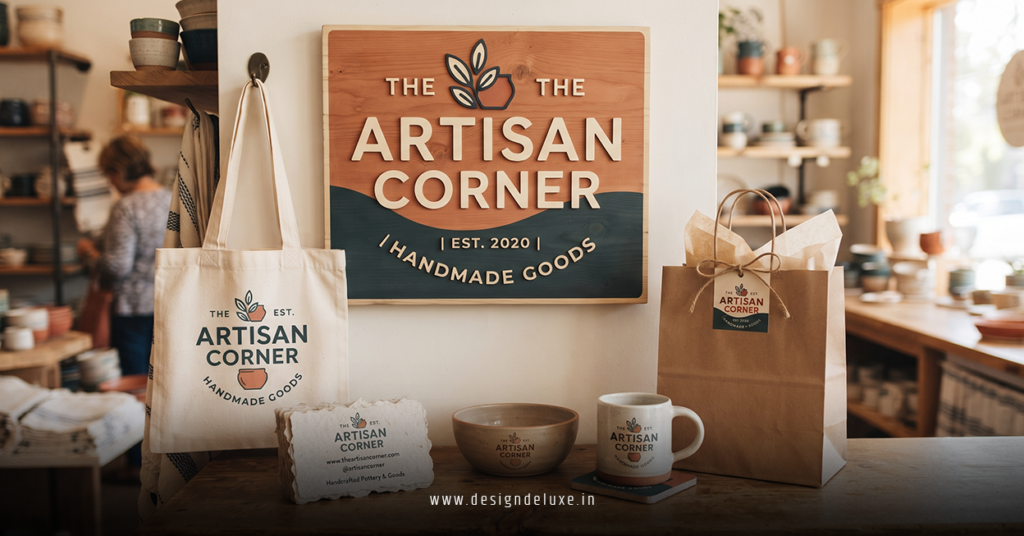
- Offline materials: Business cards, brochures, and signage using the same logo and colors.
To keep this manageable, choose a small set of templates for each channel. Platforms like Canva and Adobe Express are helpful because they let you save brand colors and fonts and reuse designs. This reduces the “design from scratch” time and keeps everything aligned.
Step 5: Use branding to support your marketing
Branding on its own is nice, but the real value is how it supports your marketing. A clear brand makes campaigns easier to run and more effective.
When you launch a promo or ad campaign, you can quickly build matching web pages, banners, and social posts because you already know your look and tone. Your audience recognizes your style in their feed and in their inbox. To get more from your branding, it’s worth connecting it to a basic digital marketing plan using practical guides from places like Google’s Grow My Business resources, which help small businesses think about campaigns and channels. Branding gives those campaigns a strong, trustworthy frame.
Step 6: Stay consistent as you grow
As your business grows, more people will create content and visuals—freelancers, agencies, new team members. Without rules, your brand can easily start to feel messy again.
To avoid that, share your brand kit and a short branding guide with anyone who creates assets for you. Include logo usage rules, minimum font sizes, tone of voice examples, and a few “do and don’t” examples. Keep all design files in a central folder so people can reuse successful layouts. The more you treat your brand like a system rather than a collection of one-off designs, the stronger and more consistent it becomes.
Step 7: Check if your branding is actually working
A good small business branding guide shouldn’t stop at theory; it should help you measure results. Branding shows up in a few clear ways.
Look for:
- Higher website engagement (more time on site, lower bounce rate)
- Better ad performance (more clicks and conversions from branded banners)
- Stronger social interaction (more saves, shares, and profile visits)
- More direct mentions of your name and visuals in customer feedback
If people say things like “I see your posts everywhere” or “I recognized your brand from your ads,” that’s a sign your branding is doing its job. If metrics are weak, test small changes to headlines, imagery, or color use—but keep your core brand elements stable so you don’t confuse your audience.
Bringing your brand together, one step at a time
We hope that you have found this article enlightening in some way and that this small business branding guide feels more manageable than it did before. Branding is not just for big companies with big budgets; it’s a practical tool you can use to make your business look more reliable, more memorable, and more worth choosing. Start with your foundations, build a simple brand kit, connect it to your website, ads, and social graphics, and then protect that consistency as you grow. When your brand finally looks and sounds like the business you’re building, your marketing starts working harder for you—and that’s when your small business begins to feel a lot less small.