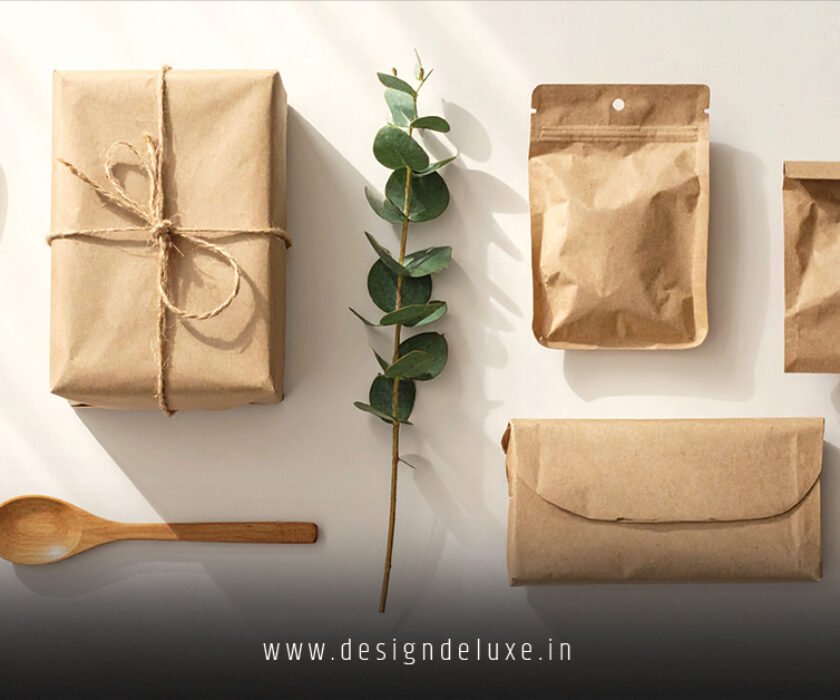
Minimalist Web Design Trends 2027 refine simplicity into something sharper, warmer, and smarter. They strip away noise while adding intentional depth that feels human in an AI-driven world. Clean lines meet subtle textures. Generous white space partners with micro-moments of delight. Brands win by saying less and connecting more.
Key shifts you’ll see everywhere:
- Warm minimalism with earthy tones and organic touches.
- AI-enhanced personalization that stays invisible to users.
- Typography and micro-interactions carrying the emotional weight.
- Performance-first layouts that load instantly and convert better.
The kicker? This evolution makes sites feel premium, trustworthy, and effortless to use. Users stick around longer and remember you.
Why Minimalist Web Design Trends 2027 Matter Now
After years of maximalist experiments and AI-generated clutter, audiences crave clarity. Minimalism delivers focus in a distracted digital landscape. Yet pure cold minimalism feels dated. 2027 versions add warmth, personality, and strategic intelligence without sacrificing speed or usability.
This approach ties beautifully into broader creative systems like Neo minimalist AI branding social ads web design 2026, where the same restrained elegance scales across every brand touchpoint.
Here’s the thing: minimalist sites don’t just look good. They perform better in search, accessibility, and user trust metrics.
Defining Elements of Minimalist Web Design in 2027
Top executions share these traits:
- Expansive white space that guides attention.
- Bold yet legible typography as the hero element.
- Subtle textures and warm neutrals for soul.
- Micro-interactions that feel responsive and natural.
- AI-powered adaptive layouts that respect user context.
| Element | 2026 Version | 2027 Evolution | Business Impact |
|---|---|---|---|
| Color Palette | Strict monochrome | Warm neutrals + selective accents | Higher trust & longer dwell time |
| Typography | Clean sans-serif | Expressive hybrids with kinetic effects | Stronger hierarchy & brand voice |
| Layout | Rigid grids | Organic asymmetry + smart spacing | Better mobile experience |
| Interactions | Basic hovers | AI-triggered micro-delights | Increased engagement & conversions |
| Overall Feel | Cool & clinical | Warm, human, intentional | Premium perception & loyalty |
This table draws from patterns in 2026–2027 trend reports across Figma, Webflow, and leading agencies.
Step-by-Step Action Plan for Implementing 2027 Minimalism
Ready to upgrade? Here’s what I’d execute for a client project right now.
Step 1: Audit Your Current Site
Strip everything non-essential. Identify what truly serves the user goal. Measure load times and bounce rates as baselines.
Step 2: Choose Your Warm Minimalist Direction
Decide on a core palette — think soft beiges, deep charcoals, and one signature accent. Gather reference imagery that balances calm and interest.
Step 3: Build the Foundation
Focus on typography first. Select 2-3 complementary fonts. Design mobile-first with generous breathing room between elements.
Step 4: Add Strategic Details
Layer subtle textures, refined shadows, or gentle animations. Integrate AI tools for personalization without visual clutter.
Step 5: Optimize for Performance
Compress assets ruthlessly. Use modern web standards for fast loading. Test across devices and connection speeds.
Step 6: Launch, Measure, Iterate
Roll out with clear success metrics — time on page, conversion rate, user feedback. Refine based on real behavior.
What usually happens? Teams add “just one more element” and lose the magic. Ruthless editing protects the power of minimalism.
One fresh analogy: 2027 minimalist web design works like a perfectly tailored suit — nothing extra, yet every detail enhances presence and confidence.

Common Mistakes & How to Fix Them
- Too sterile: Fix by introducing warm tones and subtle organic shapes.
- Ignoring mobile: Fix with true mobile-first design and extensive testing.
- Over-relying on AI generation: Fix by always applying human judgment for emotional resonance.
- Weak hierarchy: Fix with bold typography and intentional white space.
- Forgetting accessibility: Fix by prioritizing contrast, readable fonts, and semantic structure from day one.
For cohesive brand execution across platforms, many teams connect their web presence to Neo minimalist AI branding social ads web design 2026 strategies.
Advanced Tactics for 2027
Push further with adaptive interfaces that shift subtly based on user behavior. Combine glassmorphism refinements with deep focus on core content. Use data to inform layout variations while keeping the visual system consistent.
Key Takeaways
- Minimalist Web Design Trends 2027 emphasize warmth and intention over cold emptiness.
- White space, typography, and micro-interactions become primary storytelling tools.
- Performance and accessibility are non-negotiable foundations.
- AI enhances personalization without adding visual noise.
- Restraint creates premium perception and better business results.
- Consistency across branding and web strengthens overall impact.
- Test relentlessly — real user data beats trends every time.
- The best minimalist sites feel invisible in the best way: users just get things done.
Brands that master this balance stand out by blending in perfectly with user expectations. They build trust fast and convert higher.
Your next step? Audit one key landing page today. Remove three non-essential elements and watch engagement improve. Small edits compound fast.
FAQs
What are the biggest Minimalist Web Design Trends 2027?
Warm neutrals, expressive typography, AI-powered subtle personalization, organic layouts with generous white space, and performance-optimized micro-interactions define the year.
How does neo-minimalism differ from classic minimalism in web design?
Neo-minimalism adds warmth, texture, and personality while keeping the clarity and restraint of traditional minimalism. It feels more human and premium.
Can small businesses benefit from Minimalist Web Design Trends 2027?
Absolutely. Cleaner, faster sites improve SEO, lower development costs, and create trustworthy experiences that compete with bigger players.