Entrepreneur
Event marketing strategy 2026 looks different from even two years ago. Budgets are not disappearing—they are getting sharper. Organizers run fewer events but demand clearer pipeline impact, stronger personalization, and measurable results. Attendance alone no longer satisfies finance teams. What moves the needle is a system that turns awareness into registrations, registrations into show-ups, and show-ups into lasting relationships or revenue.
In the USA market right now, the winning approach mixes focused in-person experiences with smart digital layers, heavy use of data, and consistent visual branding across every touchpoint. Posters, landing pages, emails, and social posts all need to feel like they belong to the same campaign.
Why Event Marketing Strategy 2026 Demands a New Playbook
Generic blast-and-pray tactics have lost power. Attendees expect relevance. Buyers and decision-makers arrive with research already done. AI tools make personalization practical at scale, while measurement expectations have risen. Teams that still treat events as isolated brand moments struggle to justify spend. Teams that treat them as a repeatable growth channel keep getting budget.
Key shifts defining the year:
- Preference for fewer, higher-quality events over large portfolios
- AI used for segmentation, content, and post-event analysis rather than novelty
- Stronger push for community continuity instead of one-off gatherings
- Hybrid options that serve remote audiences without diluting the live experience
- Clear attribution from first click or scan all the way to pipeline or ticket revenue
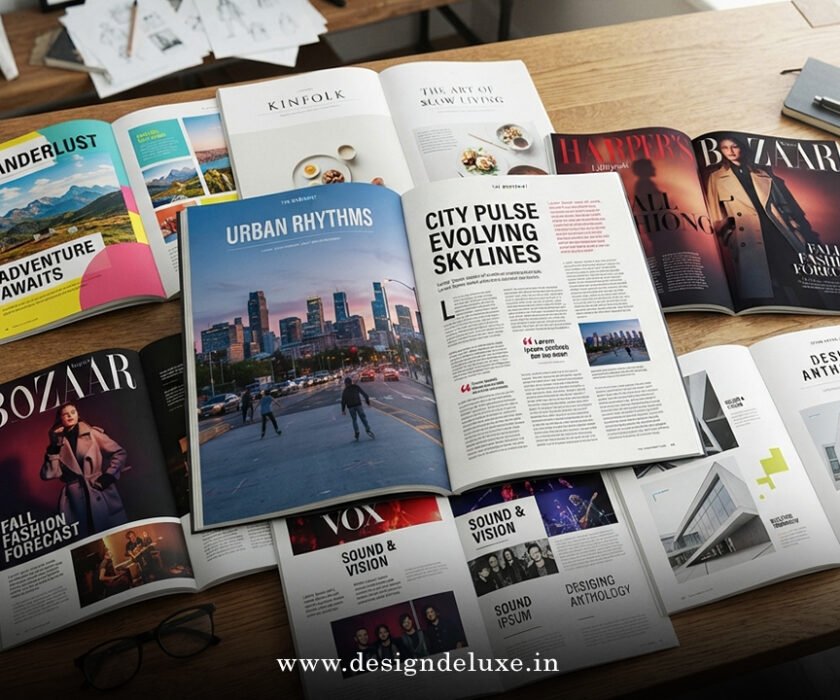
Visual consistency remains a quiet advantage. A strong poster concept that works on the street and on Instagram reinforces every other message. For practical guidance on creating those visuals, see Poster Design 2026: Eye-Catching Visuals for Events.
Core Pillars of a Strong Event Marketing Strategy 2026
1. Define outcomes before formats
Start with the business goal—pipeline influence, ticket sales, community growth, or customer retention—then choose the format. Intimate regional gatherings often outperform sprawling national shows when the goal is meaningful connection. Large flagship events still work when content and networking justify the travel.
2. Build the audience journey in phases
Map discovery, consideration, registration, reminder, attendance, and follow-up. Each stage needs its own message and channel mix. Pre-event outreach that begins 8–12 weeks out consistently fills calendars better than last-minute pushes.
3. Personalize without becoming creepy
Use first-party data and AI to tailor session recommendations, email sequences, and even on-site experiences. Segment by interest, past behavior, or role. SMS and richer messaging formats cut through inbox noise more effectively than email alone for time-sensitive reminders.
4. Treat content as a long-term asset
Event content—sessions, interviews, behind-the-scenes—should live beyond the day. Capture it, repurpose it, and feed it back into your ongoing marketing. Many teams now rank content created for events among their highest investment priorities.
5. Prove impact with clean data
Integrate registration platforms with CRM and marketing automation. Track sourced pipeline, influenced deals, and retention signals at 30/60/90-day intervals. Attendance numbers matter less than the business outcomes those attendees produce.
Step-by-Step Action Plan for Event Marketing Strategy 2026
- Set one primary and two secondary goals for the year. Make them measurable.
- Audit last year’s events for cost per lead or cost per opportunity. Cut or redesign the underperformers.
- Select 4–8 priority events (or produce your own series) rather than spreading thin across dozens.
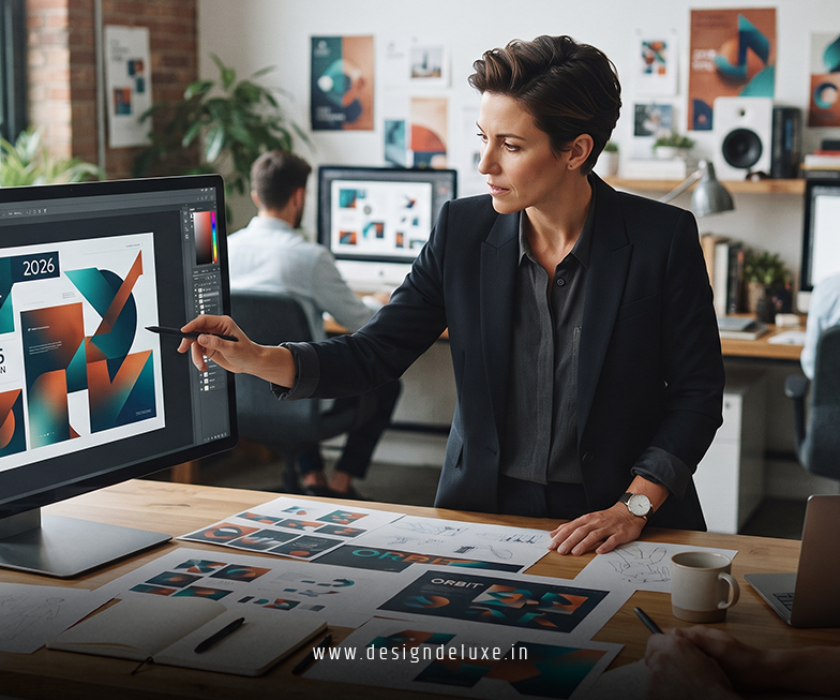
- Build a master visual system—logo treatments, color palette, typography—that works for posters, social, email, and signage. A cohesive look multiplies recognition.
- Create the landing page and registration flow first. Everything else drives traffic there.
- Launch awareness 10–12 weeks out with targeted ads, partner cross-promotions, and organic content.
- Layer personalization mid-funnel: segment lists, send relevant speaker or session highlights, and use dynamic QR codes on print pieces.
- Run a tight reminder sequence in the final two weeks. Include calendar invites and clear logistics.
- Capture data on-site and feed it back into CRM the same day.
- Execute a 7–14 day follow-up cadence with value, not just “thanks for coming.”
- Review results against the original goals and document what to repeat or change.
This rhythm turns event marketing from a scramble into a predictable process.
Channel Mix That Works in 2026
| Channel | Strength | Best Use Case | Typical Role in 2026 Strategy |
|---|---|---|---|
| Paid social + search | Scale and targeting | Awareness and ticket sales | Primary discovery driver |
| Email + SMS/RCS | Direct and personal | Reminders and segmentation | Highest conversion for registered audiences |
| Print (posters, postcards, signage) | Local presence and credibility | Street-level and venue discovery | Strong support for local and regional events |
| Partner / community channels | Trust transfer | Warm introductions | Efficient for niche or B2B audiences |
| Content and PR | Authority and longevity | Thought leadership | Extends value far beyond event day |
| On-site experiences | Memorability | Conversion and advocacy | Turns attendees into promoters |
Print still earns its place, especially when paired with trackable QR codes. A well-designed poster series remains one of the most cost-effective ways to create local awareness for community, music, and professional events.
Common Mistakes and How to Fix Them
Running too many low-impact events. Fix: concentrate resources on fewer activations and operationalize each one fully.
Treating virtual and in-person as identical products. Fix: sell distinct value propositions and price accordingly.
Starting promotion too late. Fix: lock the calendar and begin outreach at least two months out for anything beyond very local gatherings.
Ignoring attribution. Fix: tag every campaign, use consistent UTM structures, and close the loop in your CRM.
Overlooking sustainability signals. Fix: communicate practical steps—digital tickets, reduced single-use materials, local sourcing—because audiences notice.
Letting the visual identity drift across channels. Fix: create a simple brand kit and enforce it on every asset, including posters and digital ads.
Measuring Success Beyond Attendance
Track registration conversion rates, show-up rates, cost per qualified lead or ticket, pipeline influenced, and post-event engagement. Leading teams also watch branded search volume and share of conversation around the event theme. These softer signals often predict long-term brand strength.
Putting It All Together
Event marketing strategy 2026 rewards discipline. Choose fewer, better events. Personalize the journey. Capture and use data rigorously. Keep every visual and message consistent so recognition compounds. When the creative foundation is strong—starting with something as foundational as effective posters—the rest of the campaign gains force.
Start with your next event’s goals and audience map. Then build the promotion calendar backward from the date. The teams that treat events as a system rather than a series of one-offs will keep earning budget while others defend theirs.
Key Takeaways
- Focus resources on fewer, higher-quality events with clear business outcomes
- Begin outreach early and personalize at every stage
- Integrate data tightly so ROI becomes visible rather than assumed
- Maintain visual and message consistency across print and digital
- Capture content for long-term use, not just live delivery
- Measure pipeline and retention signals alongside attendance
- Treat community continuity as more valuable than isolated activations
FAQs
What is the biggest change in event marketing strategy 2026?
The shift from volume and attendance metrics toward proven pipeline influence, retention, and clear ROI. Budgets favor quality and accountability over sheer quantity of events.
How important is print still in an event marketing strategy 2026?
Highly relevant for local and regional events. Physical pieces with strong design and trackable elements complement digital channels and create presence that screens alone cannot match. Pair them with digital versions of the same concept for maximum reach.
Should every event in 2026 be hybrid?
No. Hybrid works when a genuine remote audience exists and production quality matches the live experience. Many successful programs now favor strong in-person cores with selective digital extensions rather than forced hybrid for every gathering.