Brand PackagingDESIGN
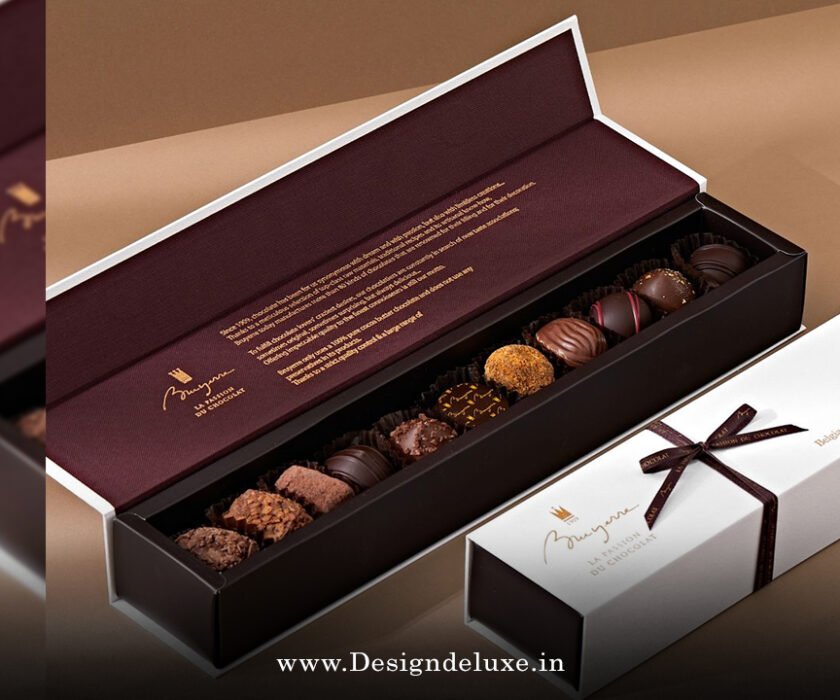
Luxury Packaging Design: Unboxing Experience That Converts is not just about making a box look expensive. It’s about turning the first physical interaction with a product into a branded moment that builds trust, triggers delight, and nudges a buyer toward repeat purchase, referral, or UGC.
- What it is: Packaging built to communicate premium value through structure, materials, finish, and presentation.
- Why it matters: It shapes first impressions fast, and first impressions stick.
- What converts: Clear hierarchy, friction-free opening, protectiveness, and a share-worthy reveal.
- What wins in the USA market: Packaging that feels premium and practical, with a strong sustainability story when possible.
- What to focus on first: Product fit, brand story, shipping durability, and the unboxing sequence.
If the package feels like an afterthought, the brand does too. If it feels intentional, the product starts with momentum.
Luxury Packaging Design: Unboxing Experience That Converts starts with the right job to be done
In plain English: luxury packaging has to do more than protect the item. It has to stage the reveal. That means every layer—outer shipper, insert, wrap, card, seal, finish—should work like a good opening scene. Short. Clean. Memorable.
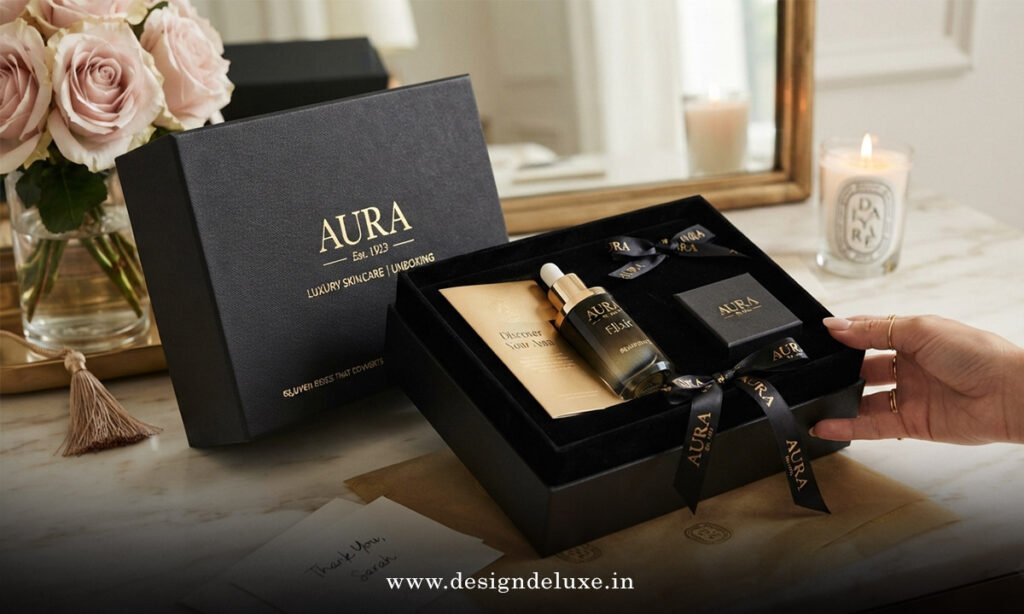
Here’s the thing: people do not remember “nice packaging” in the abstract. They remember the moment the magnetic closure snaps shut. The embossed logo. The quiet resistance of thick stock. The note tucked under tissue. That’s the emotional engine behind luxury packaging design: unboxing experience that converts.
And conversion is the kicker. In a premium category, packaging can influence perceived value, sharing behavior, and post-purchase loyalty. Google’s SEO guidance also emphasizes content that is clear, organized, and unique, which mirrors the same principle brands should apply to packaging: make the experience easy to understand, then make it feel special.[18]
Why luxury packaging converts better than plain packaging
Luxury packaging works because it reduces doubt and increases perceived worth. When a buyer receives a product that feels expensive, careful, and deliberate, they’re less likely to second-guess the price.
It also creates a tiny brand ceremony. That matters. Ceremony slows people down. Slow attention is where premium value gets noticed.
A smart luxury packaging design: unboxing experience that converts usually does three things well:
- Signals quality before the product is even seen
- Removes friction so the opening feels smooth, not fussy
- Creates a shareable reveal that encourages social proof and repeat visibility
That last piece matters in the USA, where unboxing content still performs strongly across social and creator channels. The package becomes part of the product story, not just its container.
Answer-ready table: what makes luxury packaging convert
| Packaging element | Conversion job | Best practice | Common mistake |
|---|---|---|---|
| Outer box | Sets first impression | Rigid, clean, branded, durable | Thin stock that dents in transit |
| Opening mechanism | Creates tactile satisfaction | Magnetic flap, ribbon pull, or precision lid fit | Overcomplicated or awkward opening |
| Insert system | Protects and frames the product | Custom-fit inserts with minimal movement | Loose filler that feels cheap |
| Printed insert card | Builds brand story and trust | Short message, care instructions, QR if useful | Too much copy, no clear purpose |
| Finish | Raises perceived value | Embossing, foil, soft-touch, or matte with restraint | Stacking every finish at once |
| Sustainability cues | Supports modern premium expectations | Recyclable materials where feasible, clear disposal info | Greenwashing language with no proof |
What luxury packaging design: unboxing experience that converts looks like in practice
Think of packaging like a stage set. The product is the lead actor. The box is the lighting, pacing, and set design that makes the performance land.
A strong premium unboxing usually includes:
- A sturdy outer shell that survives shipping
- A clean brand mark that does not scream
- A controlled opening moment
- A product reveal that feels framed, not dumped
- One memorable detail, not seven competing ones
Too many brands make the mistake of trying to impress everywhere. That rarely works. Quiet confidence usually beats loud decoration.
Luxury Packaging Design: Unboxing Experience That Converts with beginner-friendly priorities
If you’re starting from scratch, begin here:
- Step 1: Define the product’s packaging job
Is the priority protection, gifting, subscription retention, resale value, or creator-friendly unboxing? - Step 2: Map the unboxing sequence
Sketch what the customer sees in the first 5 seconds, 15 seconds, and 30 seconds. - Step 3: Choose one premium cue
Pick one hero detail: embossing, foil, texture, rigid board, ribbon pull, or custom insert. - Step 4: Lock the dimensions
The product should fit securely without bouncing around or requiring too much filler. - Step 5: Build for shipping reality
Luxury packaging still has to survive handling, stacking, and delivery. - Step 6: Add brand voice lightly
One line. One note. One smart message. Not a novella. - Step 7: Test the reveal
Open it yourself. Then hand it to someone who has never seen it. Watch where they hesitate.
Common materials and finishes that feel premium
Luxury does not always mean heavy, but it usually means intentional. The materials need to feel right in the hand and hold up in transit.
High-performing premium cues include:
- Rigid board for strength and structure
- Soft-touch coating for a velvety feel
- Matte lamination for a clean, modern look
- Foil stamping for selective shine
- Embossing/debossing for tactile branding
- Custom inserts for a snug, elevated fit
The trick is restraint. If every surface shouts, nothing stands out.
The role of sustainability in luxury packaging design: unboxing experience that converts
In the USA, premium buyers increasingly expect packaging that looks refined without feeling wasteful. That does not mean every brand must go minimalist. It means premium packaging should be defensible.
The U.S. Environmental Protection Agency notes that source reduction and recycling are preferred strategies for reducing waste, which is one reason brands are rethinking excess packaging and unnecessary filler.[1] For packaging claims, the FTC’s Green Guides remain the standard reference for avoiding misleading environmental marketing.[2] And if you’re choosing paper-based components, the Sustainable Forestry Initiative is one of the well-known systems brands use when sourcing certified fiber.[3]
So what should you do with that?
Use recyclable materials where it makes sense. Keep components easy to separate. Avoid vague “eco-friendly” claims unless you can support them. Premium and responsible can coexist. They should.
Step-by-step action plan for beginners
If the goal is a luxury packaging design: unboxing experience that converts, start simple and build with intent.
- Define the buyer moment
Is this a gift, a self-purchase, a luxury replacement, or a repeat-order experience? - List the conversion outcomes
Do you want referrals, repeat purchases, higher perceived value, or more social posts? - Audit the current unboxing
Record the full journey from shipping box to first product touch. - Pick the hero emotion
Surprise, calm, trust, exclusivity, or delight. Choose one main emotion and design around it. - Design the reveal order
Outer box first, then protection, then product framing, then brand message. - Prototype fast
Print samples. Test fit. Check fingerprints, scuffs, glare, and opening friction. - Pressure test with real shipping
What looks elegant on a desk can fail badly after transit. Test it like a customer would receive it. - Measure what happens after launch
Track repeat purchase rate, returns tied to damage, UGC mentions, and customer feedback.
Common mistakes & how to fix them
| Mistake | Why it hurts conversion | Fix |
|---|---|---|
| Overdesigning every surface | The box feels busy and less premium | Use one or two signature details, not five |
| Ignoring shipping stress | Damaged packaging kills trust fast | Test drop resistance and edge crush early |
| Choosing style over fit | Product moves, rattles, or looks improvised | Build custom inserts or tighter tolerances |
| Writing too much copy | The reveal loses its punch | Keep on-pack messaging short and useful |
| Using weak materials | The package feels cheap before the product is touched | Upgrade the board, finish, or closure |
| Making sustainability claims you cannot prove | Trust drops instantly | Stick to verifiable materials and plain language |
What usually happens is this: brands spend all their energy on the front of the box and forget the opening sequence. That’s backwards. The open is the moment people remember.
How to make the unboxing feel expensive without overspending
You do not need to throw money at every square inch. You need to spend where the customer feels it most.
High-impact, controlled-cost moves:
- Upgrade the outer texture before adding more print layers
- Use a single premium finish instead of combining several
- Make the insert fit perfectly so the product looks curated
- Add a short message card instead of a full booklet
- Keep the color system tight for a cleaner, more upscale look
A sharp design decision often beats a bigger budget. Always.
What search-optimized luxury packaging content should include
For brands publishing content around luxury packaging design: unboxing experience that converts, the content itself should be useful, specific, and easy to scan. That aligns with current SEO guidance emphasizing clear headings, structured sections, original value, and external authority signals.[4][5][18]
Do this in your page copy:
- Lead with the user problem
- Use specific subheads
- Add a comparison table
- Include FAQs
- Link to a few trusted external sources
- Keep paragraphs short
- Avoid filler
That structure helps both readers and search systems understand the page faster.[5][17]
Key Takeaways
- Luxury packaging is a conversion tool, not just decoration.
- The unboxing sequence matters as much as the box itself.
- Fit, finish, and friction drive perceived value fast.
- One strong premium cue usually beats a dozen weak ones.
- Shipping durability is non-negotiable.
- Sustainable packaging claims need to be specific and defensible.
- Beginners should start with product fit, reveal order, and one hero detail.
- The best packaging feels intentional, calm, and worth keeping.
Luxury packaging design: unboxing experience that converts is really about one thing: making the buyer feel like the product was made for them before they even touch it. Get the sequence right, keep the look disciplined, and the package starts doing sales work on day one.
FAQs
How does luxury packaging design: unboxing experience that converts help sales?
It raises perceived value, reduces hesitation, and makes the purchase feel more premium, which can support repeat buying and referrals.
What is the best first upgrade for luxury packaging design: unboxing experience that converts?
Start with the product fit and one tactile premium cue, such as rigid board, a magnetic closure, or a custom insert.
Can luxury packaging design: unboxing experience that converts still be sustainable?
Yes. Use recyclable or certified materials where practical, minimize excess filler, and keep environmental claims accurate and specific.