Production
3D product visualization best practices turn static product pages into interactive experiences that boost buyer confidence and slash return rates.
3D product visualization best practices focus on creating realistic, performant, and engaging digital models that customers can rotate, zoom, customize, and interact with directly in the browser. In 2026, this goes far beyond pretty renders. It delivers tangible business results for e-commerce, especially when tied into immersive 3D web design banner ads motion graphics for seamless hero sections and promotional units.
- Core idea: High-fidelity 3D models optimized for web delivery with real-time interaction.
- Why it works: Shoppers understand products faster, imagine ownership better, and convert more readily.
- 2026 edge: AI-assisted modeling, better mobile performance, and easy integration with no-code tools.
- Main payoff: Higher engagement, fewer returns, stronger brand perception.
- Who benefits most: E-commerce teams, product designers, and marketers moving beyond flat images.
Why 3D Product Visualization Matters in 2026
Flat photos lie. They hide angles, materials, and scale. Interactive 3D fixes that. Customers spin a watch, open a laptop lid, or change fabric colors in real time.
The difference shows in metrics. Better visualization reduces uncertainty. Less uncertainty means more purchases and fewer disappointed returns.
What usually happens is hesitation on complex or high-value items. 3D removes the guesswork.
Performance used to be the bottleneck. Not anymore. Smart optimization makes rich experiences load fast even on mid-range phones.
Core 3D Product Visualization Best Practices
Start with purpose. Every model should solve a specific buyer question.
Asset Creation Essentials:
- Build clean topology with proper edge flow.
- Use PBR materials for realistic lighting across environments.
- Keep polygon counts reasonable—aim low for web.
- Bake details where possible instead of relying on high geometry.
Performance Optimization (non-negotiable):
- Compress textures aggressively (WebP, efficient formats).
- Implement LOD (Level of Detail) systems.
- Use instancing for repeated elements.
- Lazy load secondary assets.
Interaction Design:
- Intuitive orbit, zoom, and pan controls.
- Auto-rotate with pause on interaction.
- Contextual hotspots that reveal specs or features.
- Mobile-friendly touch gestures.
Tools Comparison for 2026 Workflows
| Tool/Platform | Best For | Skill Level | Real-time Web Export | Cost Model | Key Strength |
|---|---|---|---|---|---|
| Blender | High-quality modeling & baking | All levels | With add-ons | Free | Complete pipeline |
| Spline | Fast interactive web scenes | Beginner-Intermediate | Native & excellent | Free tier / Paid | No-code speed |
| Three.js / R3F | Custom high-performance | Intermediate+ | Full control | Free | Flexibility & optimization |
| Adobe Substance | Material authoring | Intermediate | Indirect | Subscription | Realistic textures |
| Zakeke / Configurators | E-commerce ready solutions | Business users | Strong | SaaS | Quick integration |
Step-by-Step Action Plan for Better 3D Product Visuals
- Define requirements: List must-show features, target devices, and performance budget.
- Model smart: Create a base model, then variants. Use modular design for configurators.
- Texture and light: Focus on physically accurate materials. Test under multiple HDRI environments.
- Optimize for web: Decimate geometry, compress everything, set up LOD.
- Add interactivity: Implement rotation, color/material swaps, exploded views if relevant.
- Integrate on site: Embed via Spline, React Three Fiber, or platform plugins. Link to immersive 3D web design banner ads motion graphics for consistent branding in promotional areas.
- Test relentlessly: Real devices, slow connections, different browsers. Measure load times and interaction smoothness.
- Iterate with data: Track heatmaps, session duration on product pages, and conversion impact.
What I’d do? Prototype one hero product completely before scaling. Ship it, measure results, then refine the process.
Common Mistakes & How to Fix Them
Overly detailed models kill performance. Fix: Prioritize visual impact over microscopic accuracy. Decimate and bake.
Ignoring mobile users. Fix: Design touch-first, provide simplified versions or fallbacks for lower-end devices.
Poor lighting consistency. Fix: Use environment maps and test across light conditions.
No accessibility considerations. Fix: Add keyboard controls, ARIA labels, and reduced-motion support.
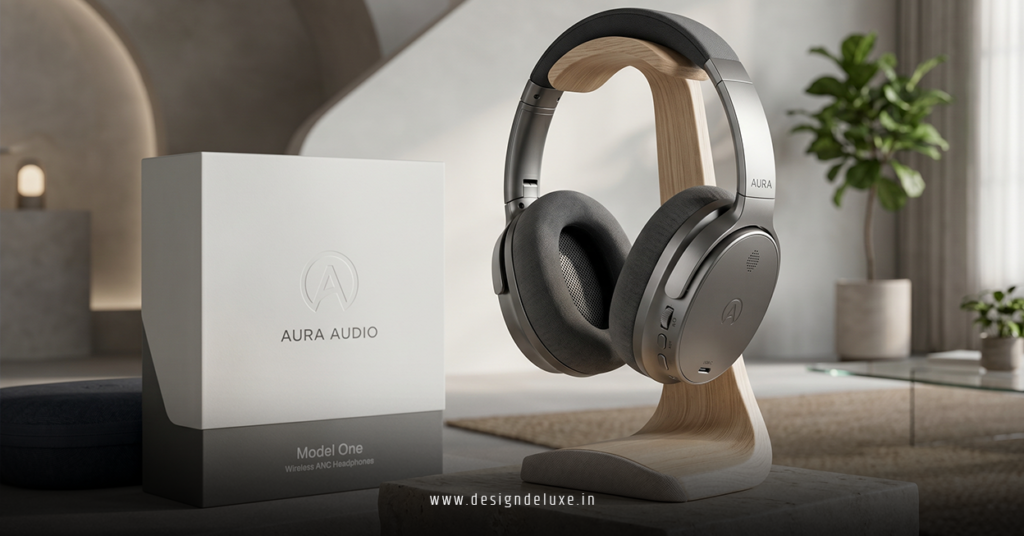
Forgetting context. A floating product on white looks sterile. Fix: Place it in subtle lifestyle environments or let users change backgrounds.
Advanced Techniques
Dynamic configuration with real-time updates. Link 3D parameters to pricing engines.
Procedural variations using AI tools for rapid iterations.
Combine with AR for “try before you buy” on mobile.
Layer subtle motion graphics—gentle breathing animations or material highlights—to tie into broader immersive 3D web design banner ads motion graphics strategies.
One analogy: Think of 3D visualization as a digital salesperson that never sleeps. It demonstrates, answers questions, and builds excitement 24/7.
Have you noticed how a good 3D view makes you linger on a product page longer than images ever could?
Master web 3D fundamentals at the Mozilla Developer Network WebGL docs.
See production e-commerce examples from studios like Active Theory.
Explore fast workflows with Spline.
Key Takeaways
- Prioritize performance from day one—optimization beats detail.
- Focus on buyer questions and interaction that builds confidence.
- Modular modeling saves massive time for configurators.
- Test on real devices and real users early and often.
- Integrate seamlessly with site-wide immersive experiences.
- Use data to prove and improve ROI.
- Combine with strong motion design for memorable impact.
- Start simple, deliver value, then expand capabilities.
Nail these 3D product visualization best practices and your product pages stop competing on price alone. They win on experience.
Ready to level up? Pick one product, follow the action plan this week, and watch engagement climb. Link it into your immersive 3D web design banner ads motion graphics for a cohesive, high-converting site.
FAQs
How do 3D product visualization best practices impact conversion rates?
They typically increase conversions by letting customers explore products thoroughly, reducing uncertainty and purchase hesitation.
What file formats and optimizations matter most for web 3D product visualization?
Compressed GLB/GLTF with optimized textures and LOD systems deliver the best balance of quality and performance across devices.
Can beginners implement 3D product visualization best practices effectively?
Yes. Tools like Spline lower the barrier significantly, letting you create production-ready interactive models with minimal coding before advancing to Three.js for custom needs.