Logo DesignBrandBrand PackagingE-Commerce
Adaptive logo design with AR packaging for ecommerce brands 2026 isn’t some futuristic gimmick. It’s the practical edge smart brands use right now to stand out in crowded digital shelves while turning plain boxes into memorable experiences.
- What it is: Logos that shift shape, color, or detail based on context paired with packaging that triggers interactive AR overlays via smartphone scan.
- Why it matters: Shoppers expect more than static images. This combo boosts engagement, cuts returns, and builds loyalty in a mobile-first world.
- Real impact: Early adopters see higher unboxing shares and stronger brand recall.
- Who needs it: Direct-to-consumer brands selling fashion, beauty, home goods, or tech accessories.
- The payoff: One cohesive system that works across screens, shipping labels, and customer hands.
Here’s the thing. In 2026, your logo and packaging aren’t separate assets anymore. They form one living identity that adapts and interacts.
Why Adaptive Logos Meet AR Packaging Perfectly
Static logos die fast on mobile. Adaptive ones breathe. They simplify for tiny favicons, expand on desktops, and animate subtly for social. Pair that flexibility with AR triggers on packaging and you create continuity from first click to delivery.
Ecommerce brands face brutal competition. A customer scrolls, clicks, waits for shipping, then opens a box. Most experiences feel disconnected. Adaptive logo design with AR packaging for ecommerce brands 2026 bridges those gaps seamlessly.
Think of it like this: your logo is the friendly face that changes outfits depending on the occasion, while AR turns the shipping box into a backstage pass. One scan reveals a 3D product demo, founder story, or virtual styling session. The customer doesn’t just receive goods. They step into your world.
Key drivers in 2026:
- Mobile-first shopping dominates USA traffic.
- Return rates still plague categories like apparel and furniture.
- Consumers crave authenticity and interactivity post-purchase.
The Business Case That Actually Matters
Numbers don’t lie when they’re tied to real outcomes. The augmented reality packaging market grows steadily as brands chase better engagement. AR in ecommerce overall explodes with massive projected gains through 2030.
What usually happens is this: brands invest in pretty packaging that gets tossed. Smart ones build packaging that keeps working after unboxing.
Pros and Cons Comparison
| Aspect | Traditional Approach | Adaptive Logo + AR Packaging | Expected Impact (2026) |
|---|---|---|---|
| Customer Engagement | Passive viewing | Interactive scans & animations | 45%+ higher social shares |
| Brand Recall | One static impression | Multi-context logo + AR storytelling | Stronger memory & loyalty |
| Return Reduction | Limited pre-purchase visualization | AR try-ons & demos on packaging | Lower returns in key categories |
| Production Cost | Standard printing | Slight premium for QR/NFC integration | Offset by higher LTV |
| Scalability | Fixed assets | Flexible logo system + reusable AR content | Easier updates & personalization |
Data points here draw from industry reports on AR adoption and consumer behavior. Your mileage depends on execution.
How to Build Adaptive Logo Design with AR Packaging for Ecommerce Brands 2026
Start simple if you’re a beginner. Don’t overhaul everything at once.
Step-by-Step Action Plan
- Audit Your Current Identity
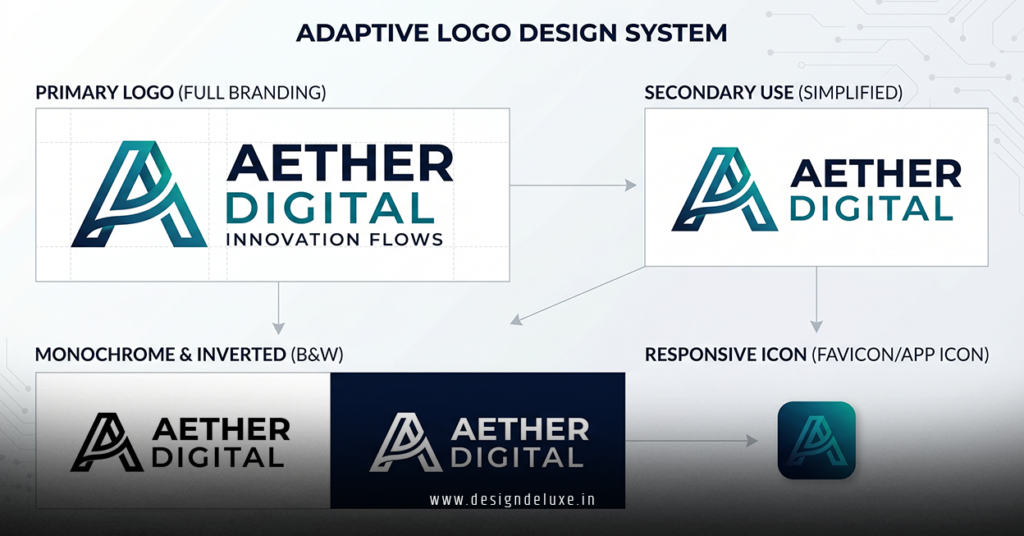
Review how your logo performs across devices. Does it hold up at 32×32 pixels? Create three versions: full, simplified icon, and motion-friendly variant. Test on real phones. - Define Core Rules
Set clear guidelines for adaptation. Colors shift for accessibility? Elements drop on small screens? Document it like a brand bible. This prevents chaos later. - Choose AR Triggers
QR codes work reliably. NFC tags add premium feel for higher-end products. Tools like 8th Wall or Zappar make creation accessible without heavy coding. - Design the Packaging
Keep physical design clean. Bold logo placement with subtle call-to-action: “Scan for magic.” Use sustainable materials that align with modern USA shopper values. - Create AR Experiences
Start with basics – 360 product view, color swatches, or usage tutorial. Scale to games or personalized messages for repeat customers. - Integrate & Test
Link AR content to your site for seamless upsells. Run user tests with real customers. Measure scan rates and time spent. - Launch & Iterate
Roll out to one product line first. Track metrics. Refine based on what resonates.
What I’d do if starting fresh? Partner with a designer who understands both motion graphics and AR platforms. Budget for proper testing on different Android and iOS devices. USA audiences expect polish.
Common Mistakes & How to Fix Them
Plenty of brands trip here. They go too flashy or ignore technical realities.
Mistake 1: Overly complex AR
Customers bail if it takes more than 5 seconds to load. Fix: Optimize assets aggressively. Offer progressive experiences – basic first, then richer content.
Mistake 2: Inconsistent logo across contexts
Adaptive doesn’t mean random. Fix: Create strict rules for variations. Maintain core shape and colors for instant recognition.
Mistake 3: Ignoring accessibility
Not everyone has latest phones or perfect lighting. Fix: Provide fallback text instructions and non-AR versions of key content.
Mistake 4: Forgetting post-purchase value
Many stop at unboxing. Fix: Build AR that drives loyalty – re-order links, community access, or maintenance tips.
Mistake 5: Poor integration with existing systems
AR feels bolted on. Fix: Plan from day one how it connects to your Shopify or BigCommerce store.
Real-World Wins to Study
Look at how leading brands experiment. Nike and similar giants test dynamic identities across platforms. For packaging, companies in beauty and apparel lead with scan-triggered tutorials.
For deeper dives into adaptive systems, check resources from Awwwards on innovative brand identities. On the packaging side, Packaging World covers smart tech implementations regularly. And for AR specifics, AR Post tracks ecommerce case studies.
Making It Work on a Budget
Intermediate brands don’t need massive teams. Free tools like Canva Pro for initial mocks, Figma for logo variants, and browser-based AR builders get you 80% there. Allocate most spend to user testing and content creation. The logo system itself stays relatively cheap once rules are set.
The kicker? This approach future-proofs your brand. Technology evolves, but a flexible foundation adapts with it.
Key Takeaways
- Adaptive logo design with AR packaging for ecommerce brands 2026 creates seamless experiences from scroll to shelf.
- Focus on rules and simplicity first – complexity kills adoption.
- Measure what matters: scan rates, time engaged, return reduction, and repeat purchase lift.
- Sustainable materials plus digital interactivity wins modern USA consumers.
- Start small, test relentlessly, scale what works.
- Consistency across physical and digital builds trust faster than any single campaign.
- Budget for ongoing content updates – static AR dies quickly.
- Treat packaging as a media channel, not just protection.
Adaptive logo design with AR packaging for ecommerce brands 2026 delivers the kind of memorable touch that turns one-time buyers into advocates. Stop treating your visual identity and physical products as separate problems. Solve them together.
Next step? Grab your current logo files and packaging mockups. Spend one afternoon sketching how they could connect. The brands winning in 2026 started exactly there.
FAQs
How much does implementing adaptive logo design with AR packaging for ecommerce brands 2026 typically cost?
Smaller brands can start under $5,000–15,000 for initial logo system and basic AR experiences. Larger rollouts with custom development run higher but deliver faster ROI through reduced returns and higher engagement.
Will adaptive logo design with AR packaging for ecommerce brands 2026 work for my niche if I’m not in fashion or beauty?
Absolutely. Home goods, electronics accessories, and even food brands use it successfully. The key is creating relevant AR content – assembly guides, ingredient stories, or usage scenarios that match your products.
Do customers actually use AR features on packaging in 2026?
Yes, especially when the experience delivers clear value. Simple, fast-loading interactions see strong adoption. Clear instructions and immediate benefits like virtual try-ons or exclusive content drive higher scan rates.