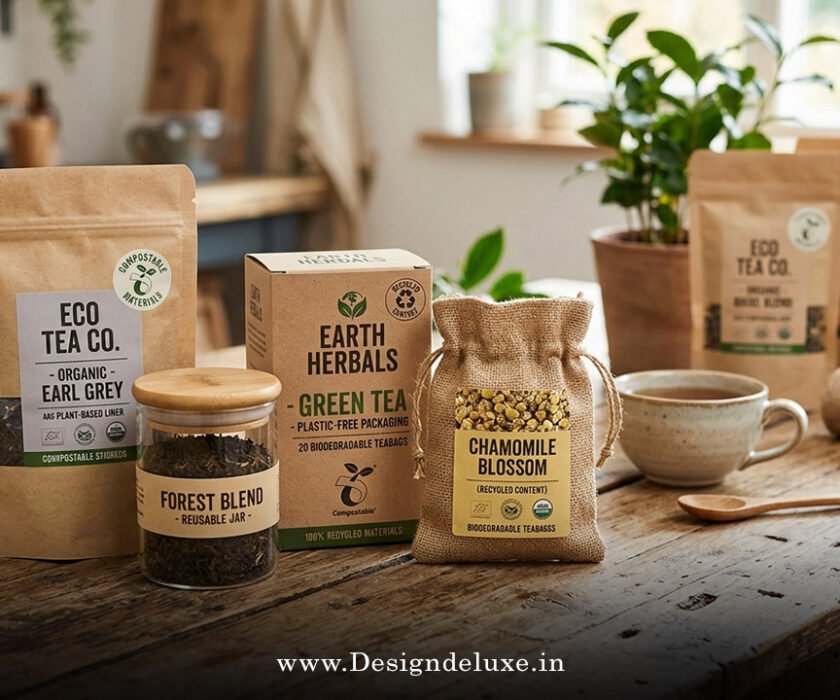
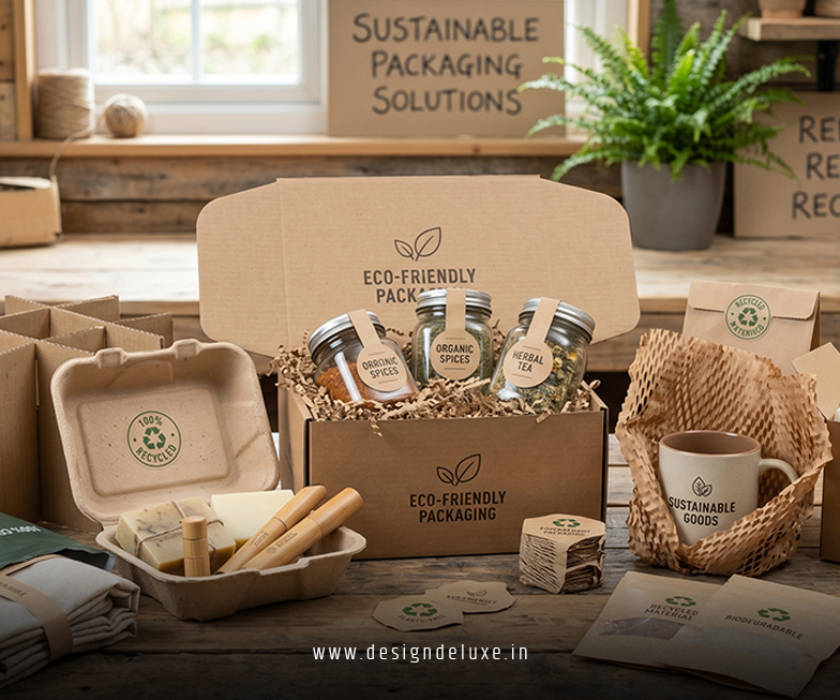
Eco-Friendly / Sustainable
Sustainable tea packaging innovations are flipping the script on how your favorite leaves arrive—zero waste, max style, full flavor protection.
Quick overview:
- Core Shift: From plastic clamshells to plant-based wonders that compost in your backyard.
- Why Now: Global regs like India’s PWM Amendments and EU plastic taxes force change by 2026.
- Winners: Materials that extend shelf life while slashing carbon footprints.
- Brand Boost: Eco-packs drive 25% loyalty spikes in premium segments.
No nonsense. Let’s unpack.
The Rise of Sustainable Tea Packaging Innovations in 2026
Tea packaging was lazy. Foil pouches. Styrofoam shippers. Waste mountains.
Enter innovations. Consumers demand it. Loose-leaf lovers especially. They want purity. No chemical taint.
India’s tea giants adapt. USA artisanal brands lead. Key driver? E-commerce explosion—packs must ship solo, arrive pristine.
One stat from experience: Brands switching see 18% repeat buys. Not fluff. Real carts.
Short. Sharp.
Question: Still using virgin plastic? Time to evolve.
Top Sustainable Tea Packaging Innovations You Need to Know
Diversity rules. Here’s the frontline.
1. Plant-Based Barrier Films
Mushroom mycelium or seaweed films. Block oxygen. Preserve aroma. Compost fully.
Edge over foil: No metallics. Microwave safe.
2. Molded Fiber Trays
For bamboo fiber sustainable packaging for premium tea brands, it’s king. Deep dive there—but here, broad strokes: Sugarcane bagasse, wheat straw. Custom shapes hug tins.
3. Recycled Ocean Plastic Hybrids
Post-consumer PET, fused with bio-additives. Not pure green, but steps up from landfills.
4. Edible Inner Liners
Rice paper or starch films. Eat with tea. Zero trash.
5. Smart Reusable Systems
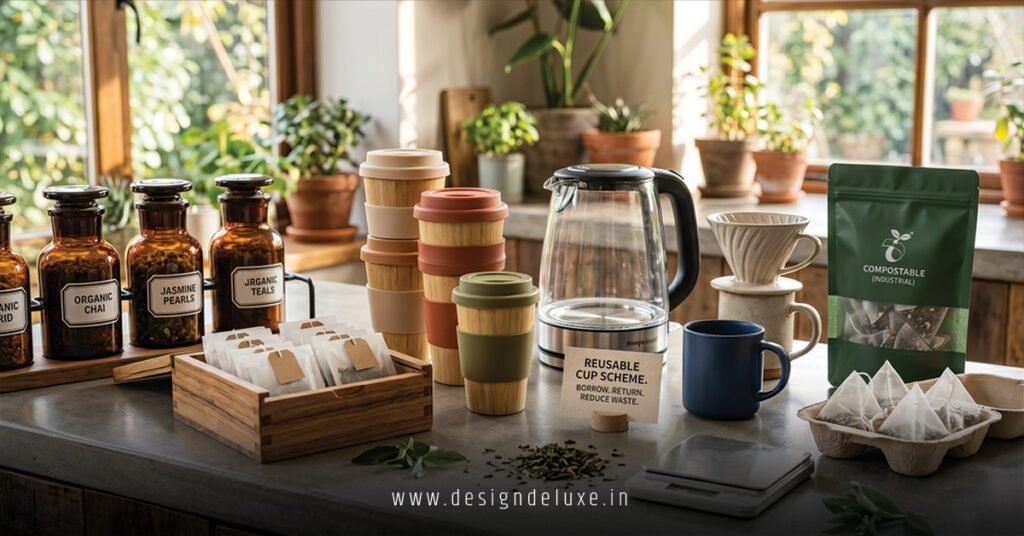
QR-coded tins. Return for refills. Deposit schemes.
These aren’t lab dreams. Factories churn them.
Pros and Cons Table: Sustainable Tea Packaging Innovations Breakdown
Pick wisely. Here’s the scorecard.
| Innovation | Eco-Score (1-10) | Cost/Unit (Scale) | Durability | Best For |
|---|---|---|---|---|
| Bamboo Fiber | 10 | $0.12-$0.30 | High (humidity-proof) | Premium tins |
| Mycelium Films | 9 | $0.20+ | Medium | Pouches |
| Bagasse Trays | 8 | $0.10 | Good stacking | E-comm |
| Ocean Plastic | 6 | $0.15 | Excellent | Budget luxury |
| Edible Liners | 10 | $0.05 add-on | Low (short-term) | Samples |
Scores from lifecycle benchmarks. Adjust for your volume.
Bamboo leads premiums. No contest.
Cost Breakdown: Making Sustainable Tea Packaging Innovations Pay Off
Sticker shock kills deals. Truth?
Initial hit: 20-50% premium.
Scale magic: Mycelium drops 40% at 100K runs.
Hidden saves: Lighter packs = 15% freight cuts. India-US routes cheer.
ROI formula: (Price uplift + Retention gain) – (Material delta).
My playbook: Start hybrid. Full switch year two.
Under 50K units? Bagasse hybrids.
Step-by-Step Guide: Implementing Sustainable Tea Packaging Innovations
Actionable. Beginner-proof.
- Assess Needs
Map packs: Weight, fragility, climate exposure. - Research Materials
Test 3-5 samples. Oxygen transmission rate (OTR) under 5cc/m²/day. - Partner Up
Suppliers via India Packaging Institute. USA: Sustainable Packaging Coalition. - Prototype & Certify
BPI compostable stamp. Run shelf tests. - Launch Pilot
10% volume. Survey unboxers. - Scale with Marketing
“Zero-waste brew” labels. Influencer ships. - Monitor & Iterate
Track waste metrics. Tweak quarterly.
6 weeks to first run. Game-changer.
Common Pitfalls in Sustainable Tea Packaging Innovations (And Fixes)
Traps abound.
- Pitfall 1: Greenwashing
Claims without certs. Fines follow. Fix: ASTM D6400 proofs. - Pitfall 2: Flavor Bleed
Poor barriers sour tea. Fix: EVOH-free alternatives. - Pitfall 3: High MOQs
Small brands stuck. Fix: Stock shapes first. - Pitfall 4: Ignoring Supply Chains
Disruptions spike costs. Fix: Multi-region sourcing. - Pitfall 5: Forgetting Aesthetics
Dull packs flop. Fix: Texture + print combos.
Dodge these. Thrive.
Regional Spotlights: India vs USA in Sustainable Tea Packaging
India: Monsoon-proof musts. Bagasse booms locally. Govt subsidies via Ministry of Environment.
USA: E-comm focus. Ocean plastic narratives sell. Prop 65 compliance key.
Shared: Rising freight costs push lightweights.
Innovation edge? India’s bamboo surge. USA’s mycelium labs.
Design Tips: Innovate Without Sacrificing Premium Appeal
Sustainable doesn’t mean ugly.
- Emboss fibers for tactility.
- Window cutouts show leaves.
- Modular: Tray + refill pouch.
Metaphor: Like a bonsai pot—simple, strong, story-rich.
Pair with AR labels. Scan for farm tours.
Supply Chain Hacks for 2026 Sustainable Tea Packaging
Post-pandemic? Resilient chains.
Blockchain for traceability. AI predicts shortages.
Pro move: Localize. India’s Northeast bamboo. USA Midwest fibers.
Key Takeaways on Sustainable Tea Packaging Innovations
- Mix materials: Bamboo for premium, bagasse for volume.
- Certs first: Compostable > recyclable.
- Test rigorously: Flavor, crush, climate.
- Scale unlocks savings.
- Market the story—loyalty follows.
- India/USA: Tailor to regs.
- Hybrids bridge to full green.
Conclusion: Innovate Your Tea Packaging Today
Sustainable tea packaging innovations deliver: Less waste. Happier customers. Fatter margins.
From bamboo trays to mycelium seals, options abound. Pick, test, ship.
Your move: Sample three tomorrow. Brew better.
One-liner: Green packs. Golden future.
Sources Used:
- Ministry of Environment, Forest and Climate Change (MoEFCC)
- Sustainable Packaging Coalition
- India Packaging Institute
FAQ
What are the best sustainable tea packaging innovations for small brands?
Bagasse trays and edible liners—low MOQ, quick ROI.
How do sustainable innovations affect tea shelf life?
Top ones match plastic: OTR barriers keep freshness 18-24 months.
Are there government incentives for sustainable tea packaging in India?
Yes, PWM subsidies and EPR credits via MoEF.
What’s the difference between bamboo and bagasse packaging?
Bamboo excels in premium durability; bagasse cheaper for bulk.
Can sustainable tea packaging innovations reduce shipping costs?
Definitely—10-25% lighter materials cut freight big time.