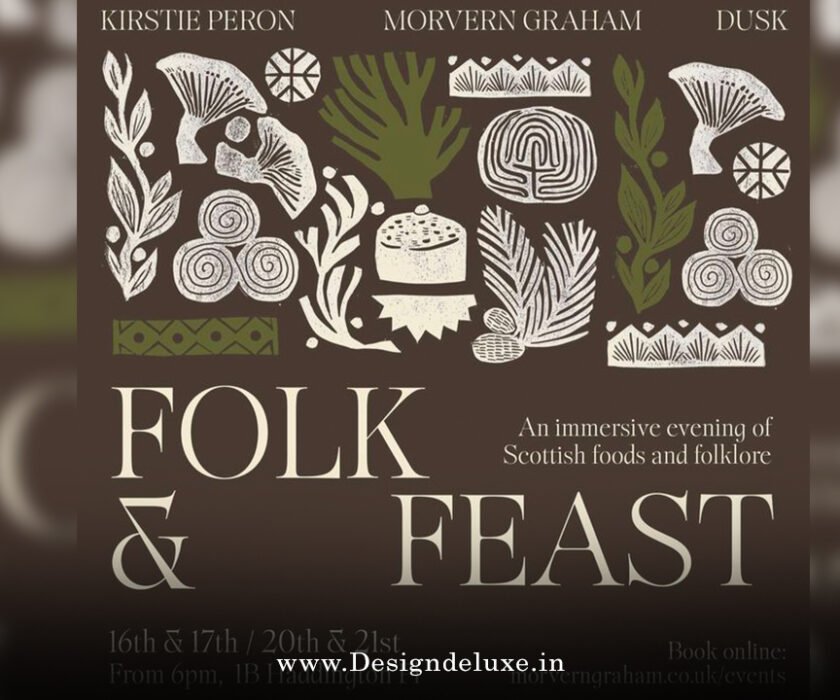
Flyer / Broucher Design
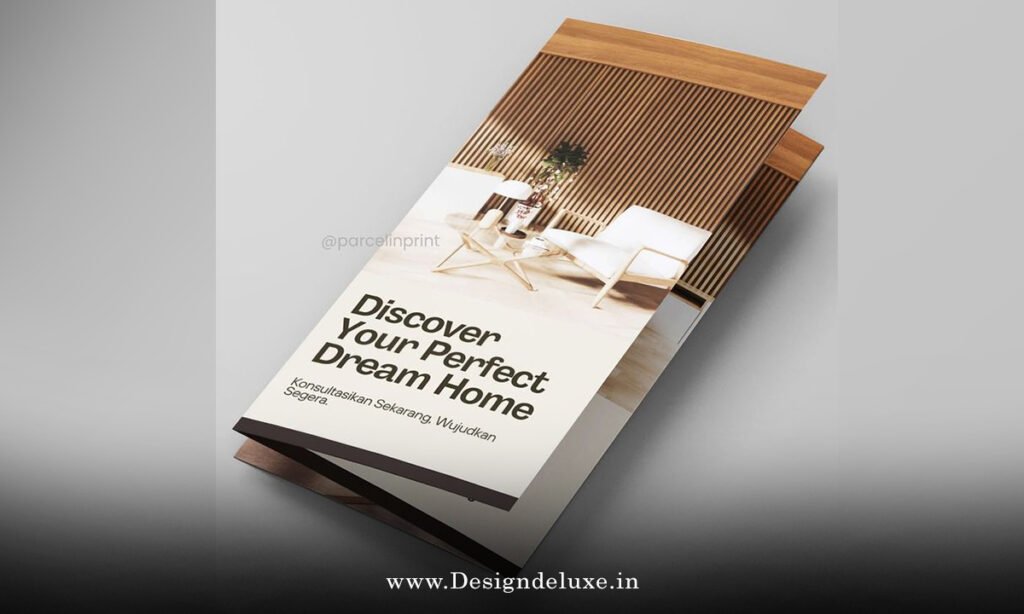
Minimalist tactile tri-fold brochure with organic textures 2026 is quietly revolutionizing how brands connect with their audience in a world overwhelmed by screens. Imagine holding something that feels alive—rough like tree bark one moment, smooth like river stone the next—while the design itself breathes simplicity. No clutter, no screaming headlines, just intentional space and textures that invite touch. In 2026, this approach isn’t just a trend; it’s a rebellion against digital fatigue, pulling people back to the physical world with thoughtful, sensory print pieces.
Why does this matter now? We’ve spent years staring at pixel-perfect interfaces, but our hands crave something real. Brands are noticing. A minimalist tactile tri-fold brochure with organic textures 2026 combines clean lines with nature-inspired surfaces to create marketing materials that linger—literally—in people’s minds (and fingers).
What Exactly Is a Minimalist Tactile Tri-Fold Brochure with Organic Textures 2026?
Let’s break it down simply. A tri-fold brochure folds into three panels, giving you six sides to tell your story. The minimalist part strips away excess: generous white space, limited color palettes (often earth tones or muted neutrals), sans-serif fonts that feel airy, and only the most essential text and visuals.
The tactile element elevates it. We’re talking papers that beg to be touched—soft-touch matte laminates that feel velvety, or uncoated stocks with visible fiber for that handmade vibe. Then come the organic textures: subtle embossing mimicking linen, stone, wood grain, or even subtle sand-like patterns. In 2026, these aren’t random; they’re deliberately chosen to evoke nature, authenticity, and calm.
Picture this: You pick up a brochure for a wellness brand. The cover has a faint, raised texture like dried leaves, the paper recycled and slightly speckled. Inside, clean panels guide you through services with plenty of breathing room. It doesn’t shout; it whispers, “Feel this. Trust this.”
Why Minimalist Tactile Tri-Fold Brochure with Organic Textures 2026 Is Dominating Print Trends
Have you noticed how everything digital feels… flat? In 2026, designers fight back with sensory experiences. Trends show a massive shift toward tactile rebellion—think handcrafted imperfections, layered textures, and multisensory designs that counter AI’s polished perfection.
Organic textures fit perfectly here. Earthy elements like bark-inspired patterns, stone grains, or fabric-like weaves bring warmth and humanity. Brands use them to signal sustainability and genuineness. Minimalism pairs beautifully because less visual noise lets those textures shine. The tri-fold format stays popular for its practicality—compact, easy to mail, and naturally sequential for storytelling.
This combo works wonders for industries like eco-friendly products, luxury wellness, boutique real estate, artisanal food, and creative agencies. It’s premium without being flashy, memorable without overwhelming.
Key Design Elements of a Minimalist Tactile Tri-Fold Brochure with Organic Textures 2026
Choosing the Right Paper and Finishes
Start with the foundation: paper. Opt for FSC-certified or recycled stocks with natural inclusions—tiny flecks that look like embedded petals or wood chips. Weights around 300-350gsm feel substantial without being bulky.
Finishes make the magic. Soft-touch coating gives a suede-like feel. Spot UV or blind embossing adds raised organic patterns without ink. For true organic textures, letterpress or debossing creates subtle indents resembling natural surfaces.
Color Palettes That Complement Organic Textures
Keep it restrained. Think warm beiges, soft taupes, sage greens, and deep charcoals. One accent color—maybe a muted terracotta—pops against textured backgrounds. Low contrast lets textures take center stage, creating that serene, nature-inspired mood.
Typography and Layout Principles
Sans-serif fonts rule: clean, modern faces like Helvetica Neue or something slightly rounded for approachability. Hierarchy is key—big, bold headlines on the cover, smaller body text inside. Use plenty of negative space; let textures fill silence instead of graphics.
The tri-fold flow: Front panel hooks with a textured focal point. Inside left introduces the brand, middle dives into details, right offers the call-to-action. Back panel repeats contact info with a subtle texture reminder.
Incorporating Organic Textures Thoughtfully
Don’t overdo it. Subtle is sophisticated. Use:
- Linen embossing for fabric-like feel
- Woodgrain deboss for rustic elegance
- Stone-like speckles in paper pulp
- Handmade paper textures with visible fibers
These evoke calm and authenticity, aligning with 2026’s push for imperfect, human-centered design.
How to Create Your Own Minimalist Tactile Tri-Fold Brochure with Organic Textures 2026
Ready to try? Start with mood boards—collect images of natural surfaces: mossy rocks, weathered wood, soft linen.
Sketch the layout: six panels, focus on flow. Use tools like Adobe InDesign for precision or Canva for quick prototypes.
Prototype physically. Print samples on different stocks. Feel them. Does the texture enhance the message?
Work with printers specializing in tactile finishes. Ask about eco-inks and sustainable options—transparency builds trust.
Budget tip: Focus splurges on cover textures; interiors can stay simpler for cost balance.
Benefits of Using a Minimalist Tactile Tri-Fold Brochure with Organic Textures 2026
People keep these. Unlike glossy flyers tossed aside, textured pieces feel valuable—like small art objects. They stand out in mail piles or conference tables.
They build emotional connections. Touch triggers memory better than sight alone. A brochure that feels organic says your brand cares about real experiences.
Sustainability shines through. Recycled papers with natural textures scream eco-conscious without preaching.
Versatility wins. Perfect for handouts, direct mail, leave-behinds. Pair with QR codes for hybrid experiences—scan for digital depth, but the physical piece remains the star.
Common Mistakes to Avoid
Don’t slap textures everywhere; it turns chaotic. Balance is everything.
Avoid cheap imitations—digital “texture” overlays look fake in print. Invest in real tactile elements.
Skip tiny text on heavily textured paper; readability suffers.
Don’t ignore accessibility—ensure contrast meets standards, even with muted palettes.
Real-World Inspiration and Examples
Think luxury skincare brands using stone-textured covers to evoke purity. Or architecture firms with woodgrain debossed panels symbolizing craftsmanship. In 2026, these aren’t rare; they’re expected from forward-thinking companies.
High-end hotels hand out minimalist tactile tri-fold brochure with organic textures 2026 at check-in—guests pocket them as souvenirs.
Conclusion: Embrace the Touch in 2026
A minimalist tactile tri-fold brochure with organic textures 2026 isn’t just print—it’s an experience. By blending clean minimalism with nature-inspired tactility, you create something that cuts through digital noise, builds trust, and leaves a lasting impression. In a year craving authenticity, this design choice says your brand gets it: less noise, more feeling.
Ready to make something people want to hold? Start experimenting today. Your audience’s fingertips will thank you.
For more on tactile trends: Adobe Express Design Trends
Sustainable printing insights: VistaPrint Graphic Design Trends
Creative print ideas: Creative Bloq Design Trends
FAQs About Minimalist Tactile Tri-Fold Brochure with Organic Textures 2026
What makes a minimalist tactile tri-fold brochure with organic textures 2026 different from regular brochures?
It’s the sensory focus—clean design plus real textures like linen or stone that engage touch, making it memorable in 2026’s tactile-driven trends.
How sustainable is a minimalist tactile tri-fold brochure with organic textures 2026?
Very! Most use recycled or FSC papers, vegetable inks, and minimal finishes, aligning perfectly with eco-conscious 2026 branding.
Can small businesses afford a minimalist tactile tri-fold brochure with organic textures 2026?
Yes—focus on key textured elements (like the cover) and simpler interiors to keep costs down while still delivering premium impact.
What industries benefit most from a minimalist tactile tri-fold brochure with organic textures 2026?
Wellness, eco-products, luxury services, artisanal brands, and real estate—anywhere authenticity and calm matter.
How do I print a minimalist tactile tri-fold brochure with organic textures 2026 effectively?
Choose specialty printers experienced in embossing/debossing. Request paper samples first to test textures and ensure the final feel matches your vision.