Logo DesignBrand PackagingBusiness & Finance
Affordable logo design and complete branding packages for new businesses is one of the fastest ways to look legit, charge real money, and avoid redoing everything six months from now. Most founders wait too long. Or they cheap out in the wrong places. Then they wonder why nobody remembers their brand.
Here’s the quick version before we go deeper:
- Affordable logo design and complete branding packages for new businesses give you a pro look without blowing your startup budget.
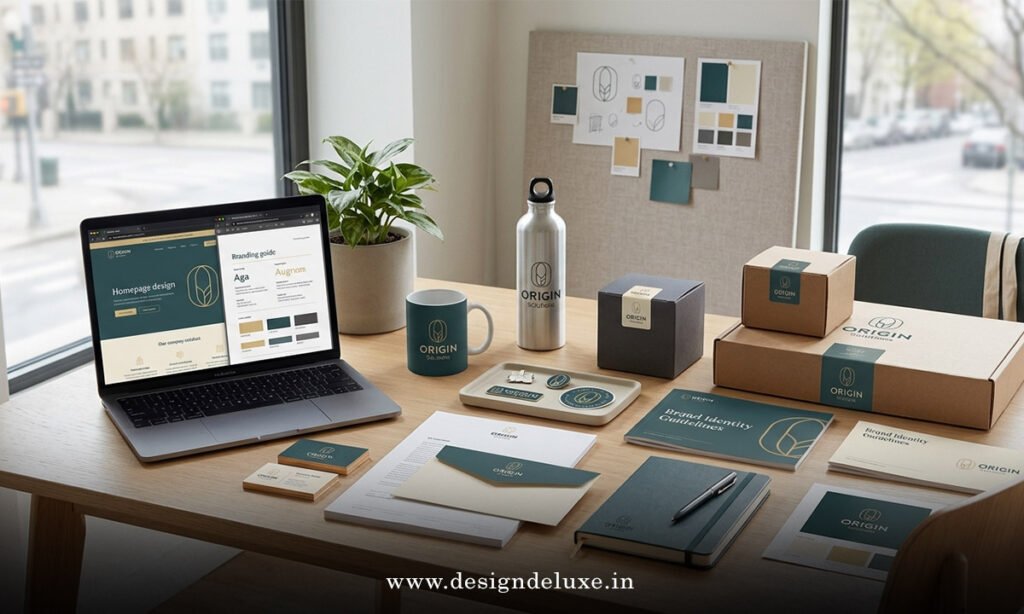
- A good package usually bundles logo, color palette, typography, brand guidelines, and basic templates (social, pitch deck, website assets).
- Getting this right early saves you time, money, and brand confusion later when you scale or bring in investors.
- The smart play is balancing custom strategy with pre-built assets so you get both speed and quality.
- If done right, you walk away with a consistent, recognizable identity you can roll out across every channel on day one.
What “affordable logo design and complete branding packages for new businesses” actually means
Let’s translate the buzzwords into something useful.
When people talk about affordable logo design and complete branding packages for new businesses, they’re usually referring to a bundle that includes:
- A professionally designed logo (main, stacked, and icon versions).
- A color system with hex codes you can use everywhere.
- A small, curated type system (headline + body fonts).
- Basic brand voice guidance (how you sound in copy).
- Ready-to-use templates: social posts, email header, pitch deck, maybe a simple brand one‑pager.
- A mini brand style guide so any designer or VA can stay on-brand.
“Affordable” doesn’t mean “five-dollar logo from a random gig marketplace.”
It means sane pricing for early-stage businesses: thoughtful work, standardized process, and re-usable assets instead of endless custom rounds.
In my experience, the goal is simple: ship a brand that looks put-together and trustworthy, without needing a $20k agency engagement.
Why branding matters more than you think (especially in the U.S.)
If you’re in the U.S., you’re competing against brands that have polished everything: site, socials, packaging, email. People are trained to judge in seconds.
- The Small Business Administration notes that nearly half of small businesses don’t make it past five years. Branding isn’t the only reason, but it materially affects trust, referrals, and perceived value.
- Nielsen has consistently found that recognizable brands tend to earn higher customer loyalty and pricing power.
Here’s the thing:
You don’t have to look like a Fortune 500 brand.
You do have to look intentional.
Affordable logo design and complete branding packages for new businesses give you that “we know what we’re doing” signal without needing a massive team.
What’s typically included (and what you should actually care about)
Not all packages are created equal. But most “complete” branding bundles for new businesses fall into these buckets:
1. Strategy + Discovery
This is where a designer or small studio figures out:
- Who you serve
- What you offer
- How you’re different
- Where your brand shows up (web, packaging, social, events, etc.)
It doesn’t have to be a six-week brand workshop.
A tight onboarding questionnaire plus a 60–90 minute strategy call is often enough for early-stage.
2. Logo Suite
Bare minimum, you want:
- Primary logo
- Secondary / horizontal or stacked version
- Favicon or icon-only mark
Ask for vector files (SVG, AI, EPS) plus PNGs and JPGs.
If you don’t get vectors, you’re paying twice later.
3. Color & Type System
You’re looking for:
- A primary color and 1–3 supporting colors with hex and RGB codes
- Light/dark backgrounds and contrast guidance (for accessibility)
- Heading and body fonts with clear usage notes
Want to keep it simple? Start with 3–4 colors and 2 fonts. You can always expand.
4. Brand Guidelines (Even a Mini Version)
A lightweight PDF is fine early on. It should cover:
- Logo usage (spacing, don’ts, backgrounds)
- Color codes and combinations
- Typography hierarchy (H1, H2, body, buttons)
- Tone-of-voice bullets (“confident but friendly,” “no jargon,” etc.)
This is what keeps your brand from slowly getting weird as more people touch it.
5. Launch Assets & Templates
This is where the real ROI shows up:
- Social media cover images and post templates
- Email header and signature
- Simple pitch deck or sales deck template
- Website hero image or logo lockup
Think of it as your “brand starter kit” so you can launch without scrambling on Canva for hours.
Typical cost & timeline breakdown (U.S.-focused)
Here’s a realistic snapshot of what affordable logo design and complete branding packages for new businesses can look like in the U.S. market.
| Package Level | Typical Price Range (USD) | What You Usually Get | Ideal For | Typical Timeline |
| DIY / Template-Based | $0 – $300 | Logo builder or template, basic color palette, no real strategy, little or no support. | Side hustles, ultra-lean experiments, quick MVPs. | Same day – 1 week |
| Budget Freelancer Package | $300 – $1,000 | Custom logo, simple color & font system, basic style sheet, 2–3 simple templates. | New service businesses, local shops, solopreneurs. | 1 – 3 weeks |
| Specialized Brand Studio Starter | $1,000 – $3,500 | Discovery session, logo suite, full palette, typographic system, mini guidelines, several channel-specific templates. | VC‑backed startups, online brands, product companies. | 3 – 6 weeks |
| Small Agency “Lite” Brand System | $3,500 – $8,000 | Deeper strategy, competitor analysis, messaging pillars, comprehensive guidelines, robust template set. | Founders planning fast scaling and team handoffs. | 4 – 8 weeks |
Those ranges aren’t random. They reflect what’s commonly seen across U.S. freelancers and studios in 2024–2026.
Important nuance:
Higher price doesn’t always mean better design, but very low price almost always means shortcuts.
How to choose the right package for your stage
Ask yourself three questions:
- How long do I expect to use this brand?
If you’re testing a concept for 3–6 months, go lighter. If you’re building something you want to last years, invest more. - Where will this brand show up most?
Website? Instagram? Amazon listing? Trade shows? That determines which deliverables matter more. - Who else will need to use it?
If it’s just you, you can tolerate a looser system. If you’ll hire designers, marketers, or VAs soon, proper guidelines become essential.
In my experience, most serious U.S.-based new businesses land in the $750–$3,500 band for affordable logo design and complete branding packages for new businesses that actually hold up for a few years.
Step-by-step action plan for beginners
No design background? No problem. Use this as your playbook.
Step 1: Clarify your brand basics
Spend a focused hour answering these:
- Who exactly are you serving? (Niche it down.)
- What problem do you solve that people would pay for?
- What’s your one-line positioning? (“We help X do Y so they can Z.”)
- What 3 adjectives should people feel when they see your brand? (Example: bold, playful, trustworthy.)
Write this down. Share it with any designer you talk to.
It instantly filters out generic work.
Step 2: Decide your budget & timeline
Pick a realistic budget you won’t resent:
- Under $500: expect more templates and less strategy.
- $500–$1,500: strong sweet spot for early service brands and local businesses.
- $1,500–$3,500: good for funded startups or online-first brands that want more depth.
Be honest about your timeline. Staying flexible by 1–2 weeks often leads to better work.
Step 3: Choose your sourcing path
You’ve got a few main options:
- DIY builders (logo generators, template platforms)
Fast, cheap, low differentiation. Good for very early experiments. - Freelance designers
Look at portfolios, not just prices. Focus on consistency across projects and whether they’ve worked with new businesses before. - Small studios / micro-agencies
You’ll pay more, but you’ll usually get built-in strategy and a smoother process.
Check references, testimonials, and how they talk about discovery and revisions.
Agencies that talk about positioning and customer behavior usually produce stronger, longer-lasting brands.
Step 4: Create a tight, visual brief
Don’t just describe what you want. Show it.
- Collect 5–10 brands you like (for style, not to copy).
- Note what you like: color, simplicity, typography, energy.
- Share a 1-page summary of your business and audience.
This doesn’t restrict creativity; it gives your designer a solid starting line.
Step 5: Review drafts like a pro
When the first concepts arrive:
- Ignore the tiny details at first. Look at the overall feeling.
- Ask, “Would my ideal customer recognize this as ‘for them’?”
- Test at small sizes (mobile, social icon, website header).
Give clear feedback:
- What’s working and why
- What’s not working and why
- What you’d like to see more or less of
Vague notes like “make it pop” slow everything down.
Step 6: Lock in files and organize everything
Once you approve:
- Ask for vector and web formats: SVG, PNG, JPG, PDF.
- Request color codes and font details inside a simple guideline doc.
- Store everything in clearly named folders (Logo, Colors, Fonts, Templates).
For extra sanity, keep a one-page “Brand Quick Reference” with logo versions, hex codes, and font names handy for you and your team.
Common mistakes with affordable logo design and complete branding packages for new businesses (and how to fix them)
Everyone messes this up a bit the first time. The trick is avoiding the expensive mistakes.
Mistake 1: Chasing trends instead of clarity
You’ve seen it. Minimalist everything. Or ultra neon gradients. Or the same overused script font.
Trendy can work—until it doesn’t.
What usually happens is founders outgrow their “Instagram aesthetic” in 12–18 months and have to rebrand.
How to fix it:
Anchor your brand in your audience and offer, not in whatever’s hot on design blogs. Timeless beats trendy 9 times out of 10.
Mistake 2: Going logo-only
Paying $100–$300 for just a logo with no guidelines seems cheap.
Then you spend months trying random colors and fonts and wonder why your visuals never feel cohesive.
How to fix it:
Even at the low end, push for a micro system: logo + color palette + typography + one-page usage guide. That’s the minimum bar.
Mistake 3: Overcomplicating the system
Having eight brand colors and five fonts sounds “premium.”
In reality, it just makes everything harder to execute, especially if you’re designing your own social posts or decks.
How to fix it:
Start simple. 3–4 colors, 2 fonts. You can add supporting colors later once you’ve lived with the brand.
Mistake 4: Not thinking about accessibility
If your text doesn’t have enough contrast or your color choices clash, you’re annoying users and potentially losing customers with visual impairments.
The Web Content Accessibility Guidelines (WCAG) published by the World Wide Web Consortium set widely used contrast standards used by many U.S. organizations and government sites. You don’t have to be perfect on day one, but you should at least care.
How to fix it:
Ask your designer to check color contrast. Use free contrast checkers. Stick with readable fonts and clear hierarchy. Your conversion rates will thank you.
Mistake 5: Skipping brand voice
You can have a gorgeous logo and still sound like a generic corporate brochure.
How to fix it:
Bake basic voice guidelines into your package:
- How do you greet people?
- What words do you avoid?
- Are you more casual or formal?
Even a one-page cheat sheet here is insanely useful for social posts, emails, and web copy.
Affordable vs cheap: the line you don’t want to cross
There’s a difference between lean and smart and cheap and painful.
- Affordable branding packages respect your budget, give you real strategy, and produce reusable assets.
- Cheap options often recycle templates, ignore your audience, and leave you with files that are hard to scale.
What I’d do if I were launching a new U.S.-based business on a tight budget:
- Set a target budget of $750–$1,500.
- Shortlist 3–5 designers or small studios whose portfolios feel aligned.
- Ask about their process, timeline, and what deliverables are guaranteed.
- Choose the one that understands your audience and positioning—not just your color preferences.
Think of this like buying boots for a long hike. You can buy the absolute cheapest pair, but you’ll pay for it in blisters and replacements. A solid mid-range choice saves you money and pain in the long run.
How intermediate founders can squeeze more ROI from branding
If this isn’t your first rodeo, you can push a bit harder.
- Tie your branding decisions to your marketing strategy: performance channels, content, outbound, events.
- Ask for assets that map directly to your funnel: ad templates, landing page sections, email layouts.
- Make sure your package includes enough guidelines that you can hand off to a future designer or agency without starting from scratch.
You can also layer in brand touchpoints like customer onboarding docs, proposal templates, or investor one-pagers that match your system.
How SEO and content fit into affordable logo design and complete branding packages for new businesses
Visual identity and search strategy should talk to each other.
When your brand identity is clear, your:
- Messaging becomes sharper.
- Landing pages are easier to design consistently.
- Content pieces feel like they come from one cohesive voice.
For U.S. businesses targeting organic traffic, your branding should:
- Work well on mobile (where most search clicks happen).
- Be legible and recognizable in search snippets and social previews.
- Use consistent naming and taglines across your site, Google Business Profile, and social.
If your logo, colors, and overall look stay consistent, users are more likely to recognize you when they move between Google results, your site, and your social feeds.
Quick checklist before you sign any branding proposal
Before you pull the trigger on any affordable logo design and complete branding packages for new businesses, confirm you’ll get:
- Custom logo suite (primary, secondary, icon).
- Defined color palette with hex/RGB codes.
- Typography recommendations with usage notes.
- At least a mini brand guideline PDF.
- A small set of templates designed for your main channels.
- Clear revision rounds and timeline.
- Ownership/usage rights spelled out in writing.
If any of those are missing, ask why. Good providers won’t be offended.
Key Takeaways
- affordable logo design and complete branding packages for new businesses are about getting a strategic, reusable identity—not just a pretty logo file.
- The sweet spot for serious new U.S. businesses is often between $750 and $3,500, depending on complexity and goals.
- Start with clear brand basics: audience, offer, positioning, and 3 core adjectives that define your feel.
- Avoid the common traps: trend-chasing, logo-only deals, overcomplicated systems, and ignoring accessibility.
- At minimum, demand a logo suite, color and type system, guidelines, and a few launch-ready templates.
- Treat branding as a multiplier on your marketing—especially for search and social—not as a vanity project.
- Pick partners based on process, portfolio alignment, and how well they understand your customers, not just price.
When you dial in affordable logo design and complete branding packages for new businesses, you’re not just getting files—you’re buying clarity, consistency, and confidence. That’s the kind of foundation that makes every sales call, ad campaign, and product launch easier.
FAQs about affordable logo design and complete branding packages for new businesses
1. What’s a realistic budget for affordable logo design and complete branding packages for new businesses in the U.S.?
For most new U.S. businesses, a reasonable range is $500–$3,500 depending on the provider and scope. Under $500, expect more template-based or lightweight packages. Between $1,000 and $3,500, you typically get strategy, a full logo suite, color and type systems, brand guidelines, and launch templates—enough to look polished for a few years without rebranding.
2. How long do affordable logo design and complete branding packages for new businesses usually take?
Expect 1–3 weeks for budget or freelancer packages and 3–6 weeks for more comprehensive studio-level work. Timelines vary based on how quickly you respond with feedback and how many revision rounds you need. If you’re up against a launch date, communicate that early and be ready to review drafts fast.
3. Can I start with DIY and upgrade later to a full branding package?
Yes—and it’s a common path. Many founders start with a DIY or low-cost logo for an MVP, then invest in more complete affordable logo design and complete branding packages for new businesses once they prove demand. If you go this route, keep your name and basic positioning stable; that way, an upgraded identity feels like an evolution, not a confusing reset.