Brand PackagingDESIGN
Packaging design services do more than make a box look good. They shape first impressions, communicate value fast, and help products win attention before a shopper ever reads the fine print.
- Packaging design is part branding, part sales tool, part protection.
- Strong packaging helps shoppers understand the product in seconds.
- The best packaging balances shelf appeal, functionality, and compliance.
- Label design, structure, and print execution all have to work together.
- If your packaging is weak, the product has to work twice as hard.
Packaging Design Services: what they actually include
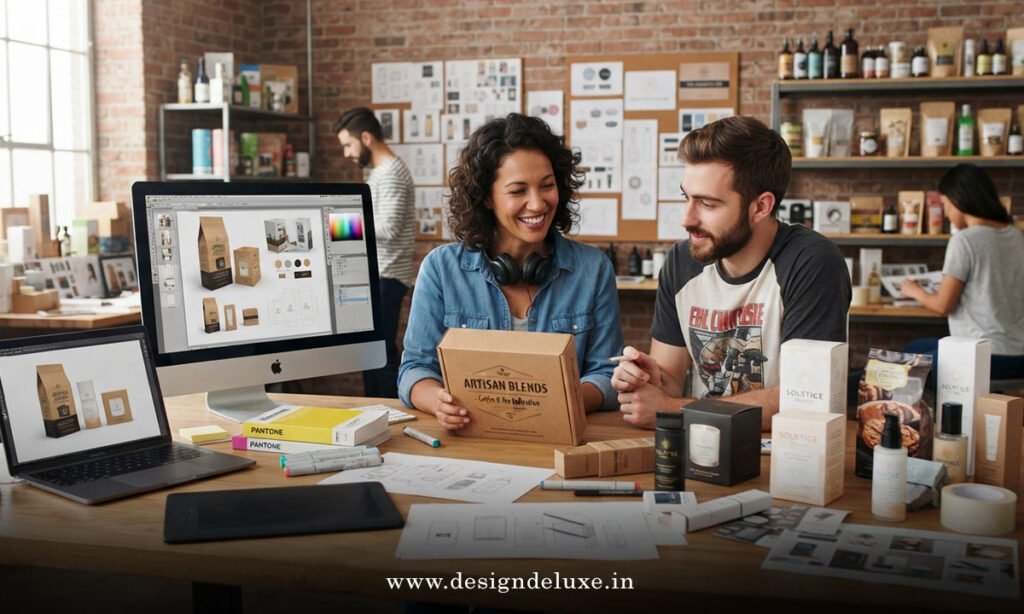
Packaging design services cover the visual and physical side of product packaging. In practical terms, that can mean box design, label design, dielines, structural packaging, print-ready artwork, mockups, and brand-consistent graphics.
The job is not just to make something attractive. Packaging has to protect the product, support shipping, communicate key information, and help the product sell in a crowded market[10][12]. For many brands, that means combining creative design with production discipline.
Why packaging design services matter in 2026
Consumers judge fast. Really fast.
A package has to do three things at once: catch the eye, explain what’s inside, and make the brand feel credible. That’s why packaging design is such a big deal for CPG, beauty, supplements, food, and ecommerce. As packaging agencies note, good packaging is not only aesthetic — it also needs to attract attention, communicate information, and protect the product[10].
Here’s the kicker: even a great product can get overlooked if the packaging feels generic, confusing, or cheap.
How packaging design services connect to brand strategy
Packaging is not a side project. It’s brand strategy in physical form.
Color, typography, imagery, and material choice all signal something about the brand. A matte kraft finish says one thing. A glossy, high-contrast label says another. A minimal clinical layout tells a different story again.
That’s why packaging design services should start with positioning, not decoration. The designer needs to know:
- Who the buyer is
- What category the product sits in
- What the product promises
- How the brand should feel
- What the retail environment looks like
Without that, design becomes guesswork.
The link between packaging and shelf performance
Shelf performance is about visibility, clarity, and trust. If the package gets noticed but the message is fuzzy, the sale slips away. If the package is clear but invisible, it never gets a chance.
That’s where Product Label Design: Make Your Brand Pop on Shelves becomes part of the equation. A smart label strategy can make the entire package feel more premium, more readable, and more memorable.
Answer-ready table: packaging design service types
| Service Type | What It Covers | Best For | Main Benefit |
|---|---|---|---|
| Structural packaging design | Box shape, materials, inserts, folds, and physical form | Products that need protection, shipping efficiency, or premium unboxing | Improves function and shelf presence |
| Graphic packaging design | Artwork, layout, typography, color, and branding | Brands that need strong visual identity | Makes the product easier to recognize |
| Label design | Front/back labels, variant systems, regulatory layout | Bottles, jars, supplements, food, cosmetics | Improves clarity and shelf appeal |
| Print-ready artwork | Final files, specs, bleed, dieline setup, production handoff | Brands ready to manufacture | Reduces costly print errors |
| Mockups and prototypes | 3D previews, samples, visual testing | Brands validating a concept before launch | Helps catch problems early |
What good packaging design services should deliver
A strong packaging partner should give you more than a pretty mockup.
Look for these deliverables:
- Clear creative direction
- Brand-consistent visual system
- Dielines or structural specs
- Print-ready files
- Compliance-aware layouts
- Variant system for SKUs
- Mockups for internal review
- Production handoff support
That last one matters more than people think. A design that looks great in a PDF but falls apart in print is not a win.
Step-by-step action plan for beginners
If you’re new to packaging design, keep the process tight.
1. Define the product and audience
Start with the basics. What is the product? Who buys it? Where will it be sold?
A package for a premium beauty serum is not built the same way as a package for a protein snack or shipping box.
2. Audit the competition
Study what is already on shelf or in search results. Look at color patterns, typography, shape, claims, and materials. You are not copying. You are finding the visual territory your brand must occupy or avoid.
3. Write the packaging brief
A good brief should include:
- Product description
- Target customer
- Brand personality
- Competitor examples
- Required copy
- Size and format
- Printing budget
- Sales channel
- Regulatory needs
The more specific the brief, the less redesign later.
4. Choose the right packaging service
Match the service to the need:
- Need a carton or rigid box? Structural packaging.
- Need a shelf-ready bottle or jar label? Label design.
- Need launch materials fast? Graphic packaging plus production support.
5. Build the design system
The best packaging systems make variant changes easy. That means consistent typography, color logic, and layout rules across SKUs.
6. Mock it up at real size
A small screen can hide problems. Print it. Wrap it. Hold it. Stand it next to competitor products.
7. Review for production and compliance
If the product is regulated, the packaging has to meet the relevant rules. For food products, FDA labeling requirements are a practical reference point[1]. For product marks and naming, trademark guidance from the USPTO helps protect brand assets[2].
8. Finalize production files
Before sending to print, check bleed, trim, color mode, dieline alignment, barcode placement, and legibility.
Small errors become expensive fast.
Packaging design services and product label strategy
Packaging and label design should never be treated like separate worlds. The label is often the front-line sales tool. The structure and finish create the frame around it.
That’s why strong brands connect packaging design services with Product Label Design: Make Your Brand Pop on Shelves. The label creates the first visual hit. The packaging reinforces it.
In other words, the label gets the nod. The package closes the deal.
Common mistakes and how to fix them
1. Designing for taste instead of the buyer
Mistake: The team likes the design, but the target customer doesn’t respond.
Fix: Build the design around the actual buyer, not internal preferences.
2. Ignoring how the package sits on shelf
Mistake: Great concept, weak shelf presence.
Fix: Test against real competitor packs and in real lighting.
3. Overcrowding the front panel
Mistake: Too many claims, icons, and messages.
Fix: Prioritize the brand name, product name, and one key benefit.
4. Skipping structural thinking
Mistake: The graphics look good, but the package is awkward to produce or ship.
Fix: Include structure early so aesthetics and function support each other.
5. Treating compliance as cleanup
Mistake: Legal details get added after the design is finished.
Fix: Build required copy and warning language into the layout from the start[1][3].
6. Choosing the wrong finish
Mistake: The material or coating fights the brand story.
Fix: Match finish to positioning. Premium, natural, playful, clinical — each one needs a different tactile and visual cue.
How to choose packaging design services for your brand
Not every studio is built for every product.
If you’re comparing providers, look at:
- Category experience
- Print and production knowledge
- Structural design capability
- Label and compliance fluency
- Ability to create variants across SKUs
- Handoff quality to manufacturers
Agency directories and service platforms show just how broad the packaging design market is, from boutique specialists to larger firms with end-to-end capabilities[5][6][10]. For brands that need scale and production support, integrated packaging services can be a better fit than a purely visual design shop[4].
Cost considerations for packaging design services
Price depends on scope.
A simple label refresh costs very differently from a full structural redesign with custom dielines, prototypes, and print coordination. Marketplace data and agency listings show a wide spread in pricing depending on complexity and provider type[2][18][20].
The real question is not “What is the cheapest option?” It’s “What prevents rework, delays, and a bad first impression?”
Cheap packaging gets expensive when it fails in the market.
Key takeaways
- Packaging design services combine branding, structure, and production.
- The best packaging helps customers notice, understand, and trust the product fast.
- Strong packaging starts with positioning, not decoration.
- Labels and packaging should work as one system, not two separate tasks.
- Good design reduces risk by addressing print, fit, and compliance early.
- Beginners should start with a clear brief and competitor audit.
- A strong packaging partner should deliver print-ready files, mockups, and handoff support.
- If the package cannot sell in three seconds, the design needs another pass.
Packaging design services are not about making products look busy. They are about making them easier to choose. Start with the buyer, align the label and structure, and build for the shelf, not just the screen.
FAQs
What do packaging design services include?
They usually include graphic design, structural packaging, label design, dielines, mockups, and print-ready artwork. Some providers also help with production handoff and compliance layout.
How do packaging design services help with branding?
They translate brand identity into a physical object. Color, typography, material, and shape all work together to make the brand feel consistent and recognizable.
Can packaging design services support a label refresh only?
Yes. Many brands only need a better label system, especially when the package structure already works. That is where Product Label Design: Make Your Brand Pop on Shelves becomes especially useful.